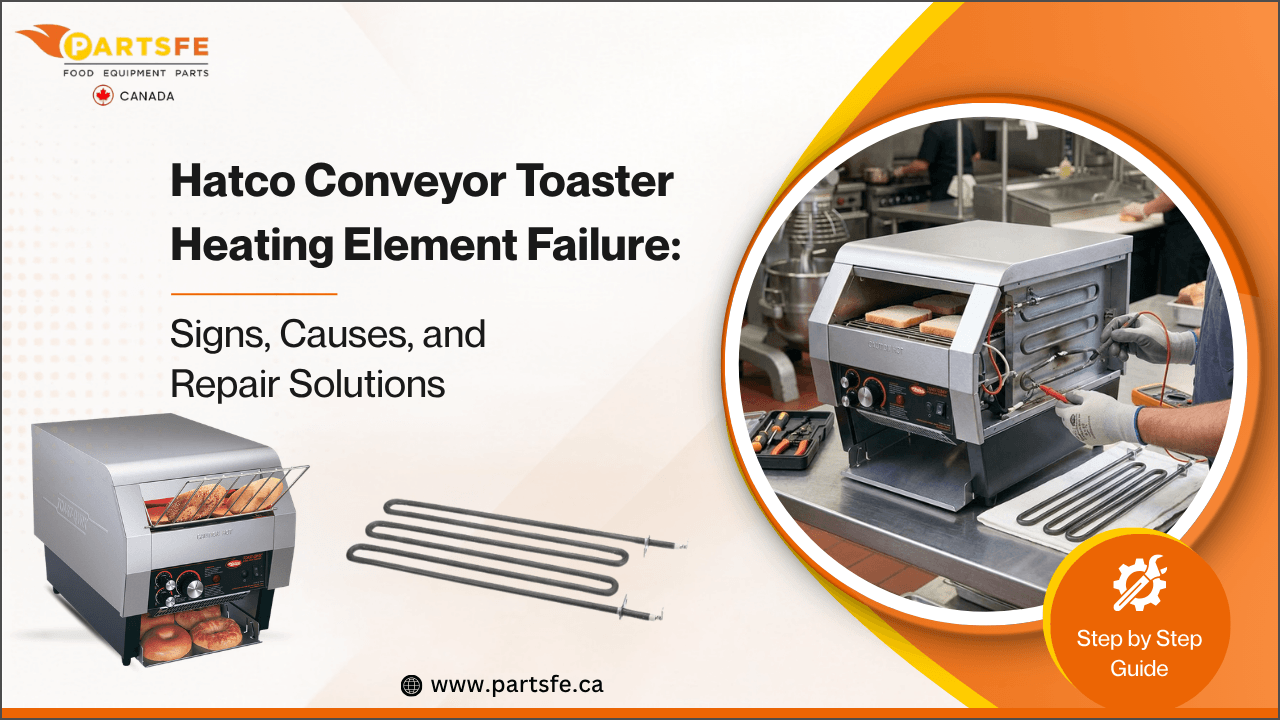
Hatco Conveyor Toaster Heating Element Failure: Signs, Causes, and Repair Solutions
Is your Hatco conveyor toaster producing uneven toast, taking longer to heat, or failing to reach the proper temperature? These issues are often early indicators of heating element failure or electrical inefficiencies within the system.
Heating element issues arise from worn coils, grease buildup, voltage fluctuations, or poor maintenance, resulting in reduced efficiency, uneven heating, and cold spots. Inconsistent heat or total loss of output usually indicates the element needs inspection or replacement.
This blog explains the most common signs of a heating element failure in Hatco conveyor toasters, the causes of the heating element failure, and how to repair or prevent it effectively.
Why is the Heating Element Not Working in a Hatco Conveyor Toaster?
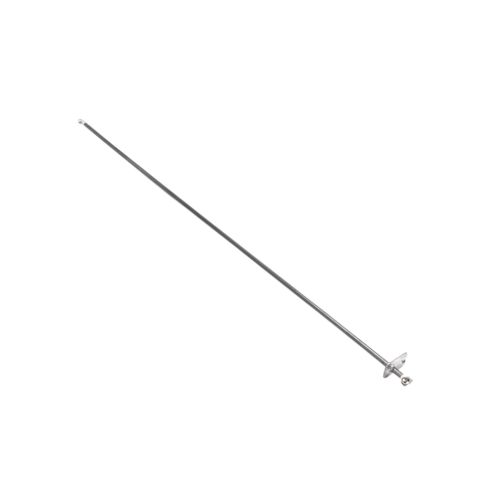
A Hatco conveyor toaster heating element may stop working due to a burnt-out nichrome coil, unstable voltage supply, loose wiring, or a failed relay/control board. These issues disrupt the heating circuit, preventing the element from generating consistent radiant heat required for proper toasting performance.
In some cases, thermal safety cutoffs activate due to overheating or airflow restrictions, while corrosion or damaged terminals can further interrupt electrical flow. Together, these faults lead to no heat output or uneven toasting and require proper electrical diagnosis before repair or heating element replacement.
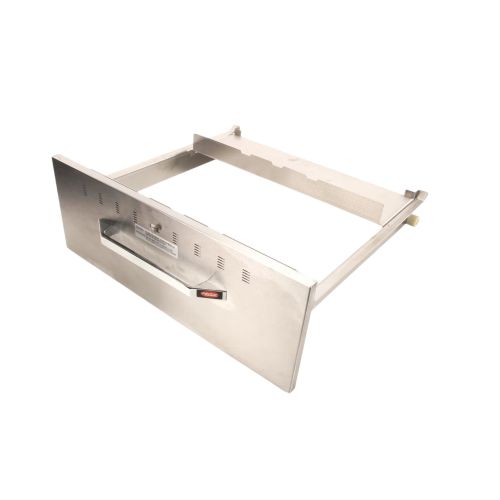
Looking for commercial kitchen equipment parts? Shop Hatco toaster parts at PartsFe, including heating elements, diodes, conveyor belts, and gearmotors to keep your equipment running efficiently.
Common Signs of Heating Element Failure in a Hatco Conveyor Toaster
Below are the common causes and early indicators of heating element failure in a Hatco conveyor toaster, typically linked to heat stress, airflow issues, and electrical instability.
-
Grease and Carbon Accumulation: Commercial kitchens generate airborne grease that settles on internal components. Over time, this layer acts as insulation, trapping heat and forcing the element to work harder, which accelerates burnout.
-
Voltage Instability: Fluctuating voltage supply or power surges can damage the resistance wire inside the heating element. Repeated electrical stress weakens the coil structure and shortens service life.
-
Continuous High-Load Operation: Running the toaster for extended periods without proper cooling cycles leads to thermal fatigue. The heating element gradually loses efficiency due to repeated expansion and contraction.
-
Restricted Airflow: Blocked vents or poor ventilation increase internal chamber temperature. Excess heat buildup puts stress on the element and surrounding electrical components.
-
Lack of Routine Cleaning: Failure to clean internal chambers allows debris to accumulate, which impairs heat distribution and increases the risk of localized overheating.
What Causes Premature Heating Element Failure in Hatco Conveyor Toasters?
The following are the key factors that commonly lead to premature heating element failure in Hatco conveyor toasters, explained below.
-
Excessive Grease and Carbon Deposits: Commercial kitchens generate airborne grease that settles on internal components. Over time, these deposits create insulation around the element, causing it to retain excessive heat and deteriorate faster.
-
Power Surges and Voltage Fluctuations: Inconsistent electrical supply places stress on heating element coils. Repeated voltage spikes can weaken the resistance wire, leading to cracks, hot spots, and eventual failure.
-
Extended Operating Hours: Many conveyor toasters operate continuously during peak business hours. Constant exposure to high temperatures causes metal fatigue, reducing the heating element's effectiveness over time.
-
Inadequate Ventilation: Blocked air vents restrict airflow and trap heat inside the toaster. Elevated internal temperatures increase strain on the heating element and surrounding electrical components.
-
Improper Cleaning Practices: Neglecting routine maintenance allows food particles and debris to accumulate inside the unit. These contaminants can create uneven heating conditions and accelerate component wear.
-
Incorrect Replacement Parts: Using incompatible or low-quality components can lead to poor heating and premature failure. Always use compatible Hatco replacement parts for better performance and longer service life.
How to Repair a Failed Heating Element in a Hatco Conveyor Toaster
Below is a step-by-step process to safely diagnose and repair a failed heating element in a Hatco conveyor toaster. Following these steps helps identify electrical faults, confirm element failure, and restore proper heating performance.
Step 1: Disconnect Power Supply
Always unplug the toaster and allow it to cool completely before starting any inspection. This prevents electrical shock and thermal injury.
Step 2: Access the Heating Assembly
Remove the required panels as per the manufacturer’s guide. Inspect the heating element for visible damage such as breaks, burns, discoloration, or warping.
Step 3: Test Heating Element Continuity
Use a multimeter to check continuity at the element terminals. An open circuit reading confirms that the heating element has failed and needs replacement.
Step 4: Inspect Wiring and Connectors
Check all electrical connections for loose terminals, burnt wiring, or corrosion. Faulty connections can also prevent proper heating performance.
Step 5: Replace the Heating Element
Install a compatible replacement heating element designed for the specific Hatco model. Ensure all connections are secure before reassembly.
Step 6: Verify System Operation
Reconnect power and run a controlled test cycle. Confirm the toaster reaches the correct temperature and delivers even heat across the conveyor system.
Watch the ultimate buying guide to the commercial toaster for key features, selection tips, and expert insights
Summary: Best Practices for Preventing Future Heating Element Failures
Heating element failure in Hatco conveyor toasters can be significantly reduced through consistent maintenance, stable electrical supply, and proper operating practices. Regular cleaning and correct usage help maintain even heat distribution and extend component lifespan, aligning with restaurant equipment maintenance standards.
-
Clean grease and carbon buildup regularly to prevent heat insulation on the element.
-
Ensure a stable voltage supply to avoid electrical stress and coil damage.
-
Maintain proper ventilation to prevent internal overheating.
-
Avoid continuous high-load operation without cooling cycles.
-
Use only manufacturer-approved replacement parts for repairs and replacements.
FAQs
How long does a Hatco conveyor toaster heating element typically last?
A heating element typically lasts between 2 to 5 years, depending on usage intensity, cleaning frequency, and operating conditions.
Why is my Hatco conveyor toaster not warming up?
Common causes include heating element failure, thermostat malfunction, control board issues, or electrical supply problems.
How to tell if a heating element is blown in a Hatco conveyor toaster?
A blown heating element usually shows no continuity on a multimeter, shows visible burn damage, or produces no heat during operation.
|
Disclaimer: This content is for informational purposes only. Always follow the manufacturer’s guidelines or consult a qualified technician before performing any repair or replacement. |