How to Diagnose & Fix APW Wyott Griddle AS-2000100 Thermostat Issues
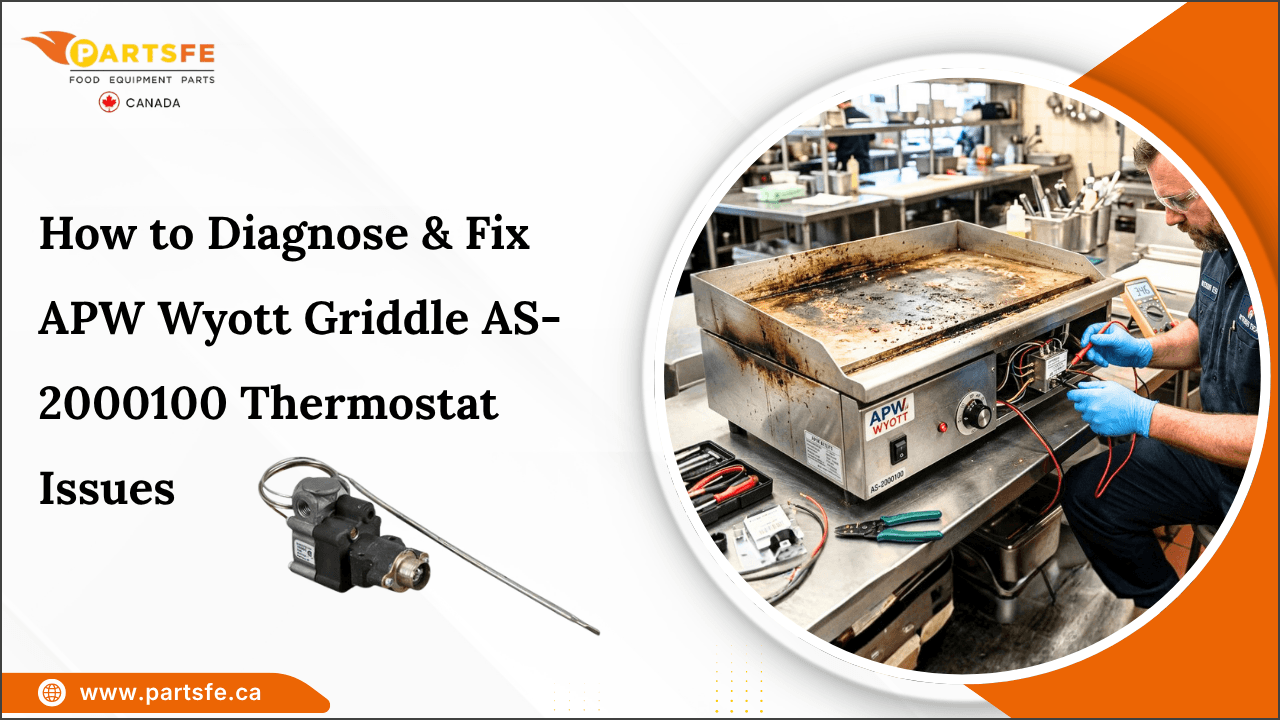
Is your APW Wyott griddle struggling to maintain the right cooking temperature? The APW Wyott AS-2000100 thermostat plays a key role in controlling heat on compatible commercial griddles. It senses the temperature of the griddle plate and regulates the heating system to help maintain the selected temperature. Accurate temperature control supports consistent cooking results in restaurants, cafeterias, hotels, and other foodservice kitchens.
A faulty thermostat can lead to common APW Wyott griddle temperature problems, including overheating, slow heating, failure to reach the set temperature, or frequent temperature fluctuations. These issues can affect food quality, increase energy consumption, and cause operational downtime.
This blog explains how the APW Wyott griddle thermostat works, the common AS-2000100 thermostat problems to watch for, and key signs that may indicate the component needs inspection or replacement.
What Does the Thermostat Do on an APW Wyott AS-2000100 Griddle?
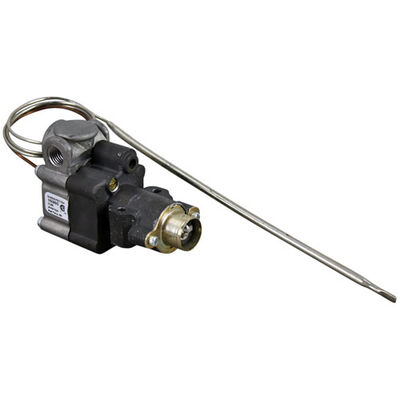
The APW Wyott AS-2000100 thermostat controls the griddle’s cooking temperature by sensing heat from the plate through its capillary tube and sensing bulb. It signals the heating system to turn on or off as needed, helping maintain a constant cooking temperature for consistent results.
The sensing bulb is secured beneath the griddle plate. When the temperature drops below the selected setting, the thermostat allows heating to continue. Once the target temperature is reached, it interrupts the heating cycle. This repeated cycling helps prevent overheating while keeping the cooking surface at the desired temperature.
A properly functioning APW Wyott griddle thermostat therefore supports efficient heating, consistent cooking, and stable temperature control. If the thermostat or sensing system fails, the griddle may overheat, underheat, or fluctuate significantly during operation.
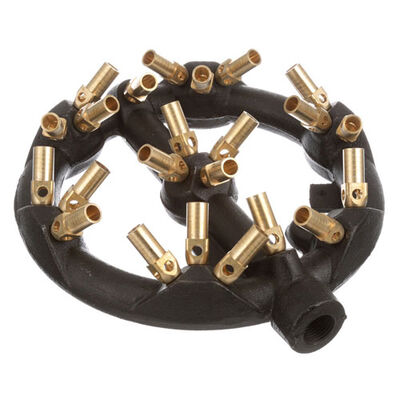
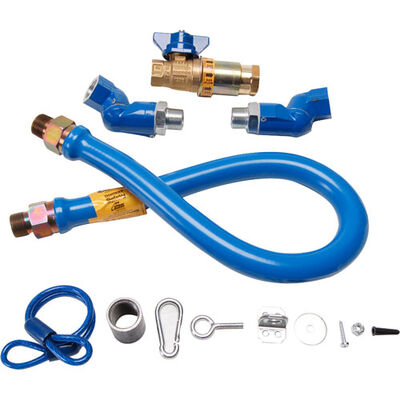
Looking for commercial kitchen equipment parts? Shop commercial griddle & grill parts at PartsFe, including burner valves, gas grill burners, heating elements, and pilot assemblies for commercial kitchen equipment maintenance.
What Are the Common APW Wyott AS-2000100 Thermostat Problems?
An APW Wyott AS-2000100 thermostat can develop problems that affect how accurately a commercial griddle controls temperature. The most common issues are the APW Wyott griddle not heating, overheating, and inconsistent temperature cycling.
These problems may result from a defective thermostat, a damaged sensing bulb, poor bulb contact, wiring problems, or a related safety component. Common APW Wyott AS-2000100 thermostat problems include:
-
Overheating: If the thermostat fails to shut the burners off at the selected temperature, an APW Wyott griddle overheating condition can occur. The plate may continue getting hotter than the set temperature, potentially burning food or creating an unsafe operating condition. A faulty thermostat or high-limit safety switch may be responsible.
-
Uneven Heat or Hot Spots: Uneven cooking temperatures can occur when the thermostat sensing bulb is loose, improperly positioned, or not making proper contact with the griddle plate. If the bulb senses cooler air instead of the actual plate temperature, the burner may continue operating longer than necessary, producing excessive heat in certain areas.
-
Erratic Temperature Cycling: A thermostat that repeatedly switches the burner on and off too quickly may cause unstable cooking temperatures. Short cycling, large temperature swings, or difficulty maintaining the selected setting can indicate a worn, intermittent, or incorrectly calibrated thermostat.
-
Temperature Does Not Match the Setting: If the griddle surface consistently runs hotter or cooler than the selected temperature, the thermostat may no longer be sensing or regulating temperature correctly. However, calibration, sensing-bulb placement, and other control components should also be checked before replacing the thermostat.
-
No Heat: An APW Wyott griddle not heating may indicate a failed thermostat or another component in the heating circuit. Other possible causes include a faulty igniter, blown fuse, damaged wiring, failed burner component, or defective heating element, depending on the specific griddle configuration.
For commercial foodservice equipment, APW Wyott griddle temperature problems should be diagnosed systematically rather than assuming the thermostat is always the cause. Inspect the thermostat, sensing bulb, capillary tube, wiring, burner or heating components, and applicable safety controls according to the equipment's service documentation.
Safety Note: Turn off the equipment and disconnect the appropriate power or gas supply before inspecting components. Gas-fired and electrically heated commercial griddles should be serviced according to the manufacturer's instructions and applicable safety requirements.
How to Diagnose an APW Wyott AS-2000100 Thermostat Problem
Diagnosing an APW Wyott AS-2000100 thermostat problem starts with safety and a systematic inspection. Use the following steps to identify whether the thermostat, sensing bulb, or another heating component is causing the issue.
-
Power Off and Access the Thermostat: Turn off and unplug the griddle, or shut off the gas supply. Allow it to cool completely, then remove the control knobs and front panel to access the thermostat, high-limit switch, and wiring.
-
Inspect the Thermostat and Sensing Bulb: Check for visible damage, loose terminals, burned wiring, or corrosion. Ensure the sensing bulb is firmly secured beneath the griddle plate. A loose bulb can produce inaccurate temperature readings.
-
Test Continuity: Disconnect the thermostat wires and use a multimeter on the lowest Ω setting. With the thermostat calling for heat, near-zero resistance generally indicates continuity. An OL or infinite reading indicates an open circuit and may indicate a defective thermostat.
-
Check Temperature Response: If properly equipped and trained, verify whether the thermostat changes state as temperature increases. An erratic or absent response can indicate thermostat failure or calibration problems.
-
Check Other Components: If the thermostat tests correctly, inspect related components such as the burner element, igniter, thermal fuse, wiring, or gas controls. A temperature problem does not always originate with the thermostat.
Safety Note: Gas-fired and electrically heated commercial equipment can present fire, burn, and electrical hazards. Follow the manufacturer’s service instructions and have qualified technicians perform live electrical or gas-system testing.
How to Fix or Replace the APW Wyott AS-2000100 Thermostat
If diagnostics show the AS-2000100 thermostat is faulty, replacement is usually straightforward. Follow these general steps (specific models may vary slightly):
-
Get the Correct Replacement: Verify the AS-2000100 part number and compatibility with your APW Wyott griddle before purchasing. Using the correct replacement helps ensure proper fit, temperature range, and connections.
-
Shut Down the Griddle: Turn off the equipment, disconnect electrical power, and shut off the gas supply where applicable. Allow the griddle to cool completely before removing the control knobs and front panel.
-
Remove the Old Thermostat: Photograph or label the wiring before disconnecting it. Remove the thermostat from its mounting bracket and carefully release the sensing bulb or capillary tube from beneath the griddle plate.
-
Install the New Thermostat: Mount the replacement thermostat in the original position. Secure the sensing bulb correctly beneath the plate and reconnect each wire to its proper terminal. Use only approved components suitable for the equipment.
-
Reassemble and Inspect: Reinstall the panel, knobs, brackets, and other removed components. Check that wiring is secure and clear of hot surfaces.
-
Test Operation: Restore the required utilities and verify that the griddle heats, cycles, and maintains the selected temperature correctly. If temperature control remains inconsistent, discontinue use and have the equipment inspected by a qualified technician.
Check out how to reset grill pressure regulators: a step-by-step guide for commercial kitchen equipment
How to Test an APW Wyott Griddle After Thermostat Repair
Once you’ve replaced the thermostat, it’s critical to verify the repair before returning the griddle to service. Follow these testing steps:
-
Reconnect Power and Gas: Restore power and the gas supply where applicable. Turn the thermostat on and verify normal ignition. Stop immediately if you notice a gas odor, unusual noise, or abnormal operation.
-
Check Temperature Accuracy: Set the thermostat to a suitable temperature, such as 350°F, and allow the griddle to stabilize. Measure the plate temperature with a calibrated surface thermometer or probe and compare it with the thermostat setting.
-
Verify Cycling: Watch the burner during heating. It should turn on while the plate heats and shut off when the selected temperature is reached. Rapid cycling or continuous heating may indicate another problem.
-
Check Heat Distribution: Measure several areas of the griddle surface. Significant hot or cold spots may indicate sensing-bulb placement, heating-component, or plate-related issues.
-
Perform a Final Inspection: Confirm stable temperature control, secure wiring, and normal operation. If the griddle continues overheating or fails to maintain temperature, stop using it and have the equipment inspected by a qualified technician.
Watch the best grill grates to fit your budget and basic grilling needs for better cooking results.
Summary: How to Prevent Future APW Wyott AS-2000100 Thermostat Issues
Proper APW Wyott griddle thermostat troubleshooting can help identify temperature problems before they cause extended downtime or inconsistent cooking. Regularly inspect the sensing bulb, capillary tube, wiring, and thermostat operation to maintain accurate temperature control. When replacement is necessary, use the correct AS-2000100 thermostat replacement and verify proper operation before returning the griddle to service.
Key Takeaways
-
Inspect the APW Wyott AS-2000100 thermostat when the griddle overheats, underheats, or cycles irregularly.
-
Keep the thermostat sensing bulb securely positioned against the griddle plate for accurate temperature detection.
-
Use a multimeter to check thermostat continuity during troubleshooting.
-
Check related components, including wiring, igniter, burner components, and safety controls, before replacing the thermostat.
-
Use the correct APW Wyott griddle parts and compatible replacement components during repairs.
-
Test temperature accuracy, cycling, and heat distribution after completing thermostat repair or replacement.
FAQs
Why does my APW Wyott AS-2000100 griddle keep overheating?
A faulty thermostat, high-limit switch, or loose sensing bulb can cause overheating. Check the bulb first and secure it properly. If overheating continues, test the thermostat and hi-limit switch and replace the failed component.
Why is the APW Wyott AS-2000100 griddle not reaching the set temperature?
A faulty thermostat, burner, igniter, or loose sensing bulb may prevent proper heating. Check the bulb and thermostat first, then inspect the burner and ignition system. Replace the thermostat if it fails testing.
How often should an APW Wyott griddle thermostat be replaced?
There is no fixed replacement schedule. Replace the APW Wyott thermostat when it fails testing, gives inaccurate temperatures, or cannot maintain the selected setting. Check its operation during routine maintenance.
|
Disclaimer: This content is for informational purposes only. Always follow the manufacturer’s service instructions and have gas or electrical repairs performed by a qualified technician. |