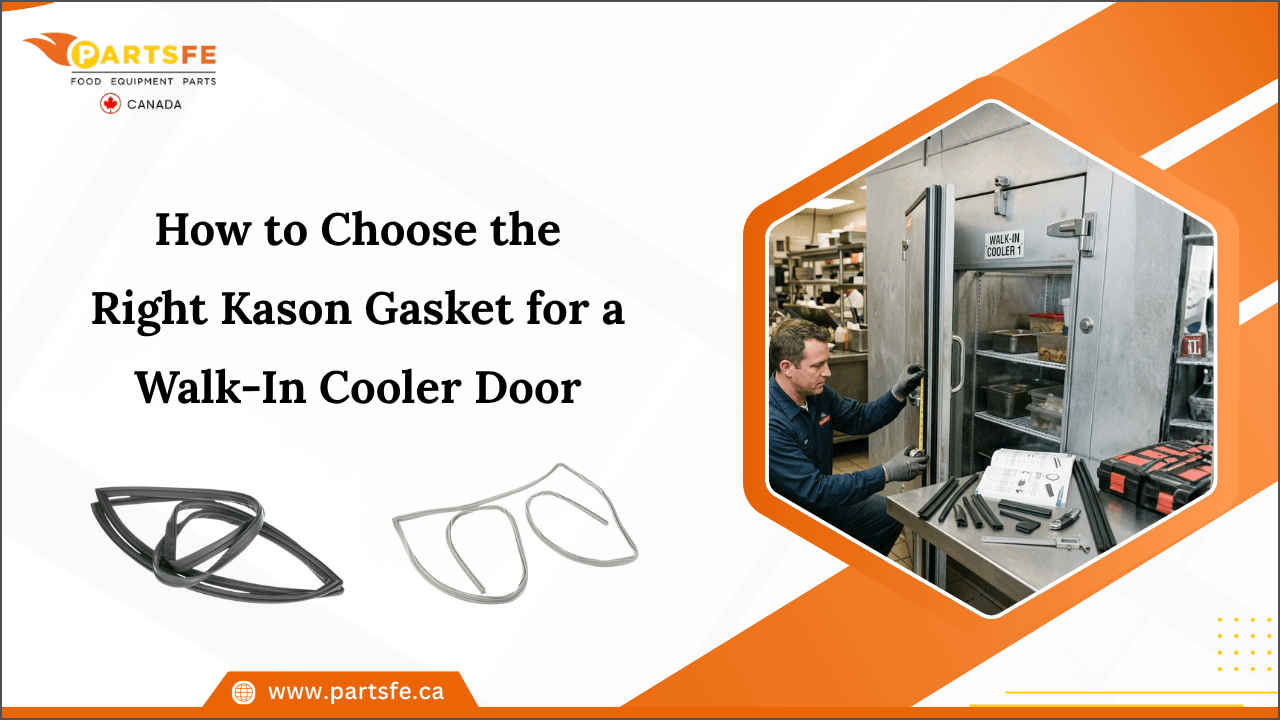
How to Choose the Right Kason Gasket for a Walk-In Cooler Door
Is your walk-in cooler door not sealing properly? A worn, damaged, or incorrectly sized Kason gasket can allow warm air and moisture to enter, making it harder for the cooler to maintain a consistent temperature. Over time, this can contribute to condensation, frost buildup, longer cooling cycles, and increased strain on the refrigeration system.
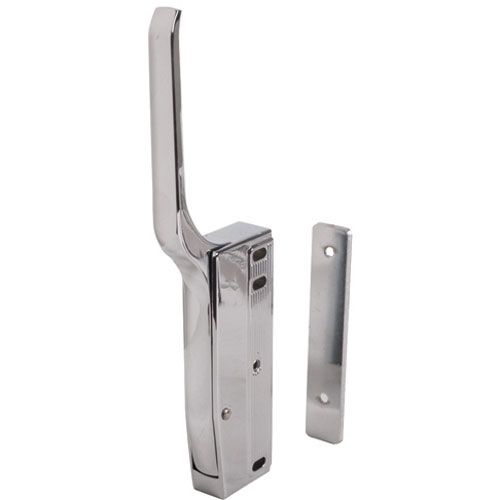
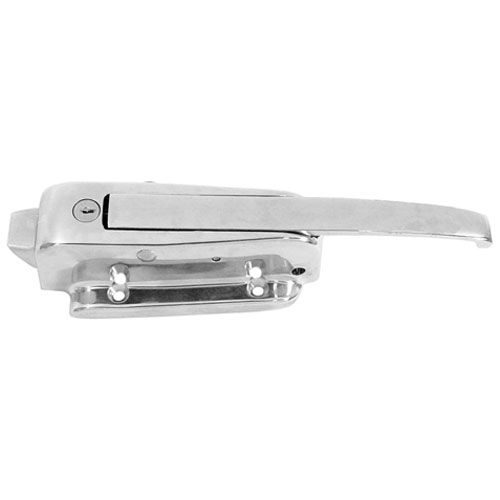
Choosing the right replacement gasket is only part of maintaining a properly sealed walk-in cooler door. Other components, such as the Kason door latch, also play an important role by helping the door close and secure properly against the frame. If the latch is worn, damaged, or misaligned, it can affect how evenly the gasket compresses and may contribute to air leakage.
This blog explains what a Kason door gasket does, the key factors to consider when selecting a replacement, common signs that your gasket needs replacing, and best practices for maintaining the gasket, door latch, and other related hardware.
What is a Kason Gasket and Why is it Important?
A Kason gasket is a flexible door seal designed to fit around a walk-in cooler or freezer door. Made from durable materials such as vinyl or PVC, it helps create a tight seal when the door closes, limiting the entry of warm air and moisture while keeping cold air inside.
A properly fitted gasket helps the cooler maintain a consistent temperature, reduces refrigeration workload, and limits condensation and frost buildup. For Canadian foodservice operations, maintaining proper refrigeration is also important for food safety.
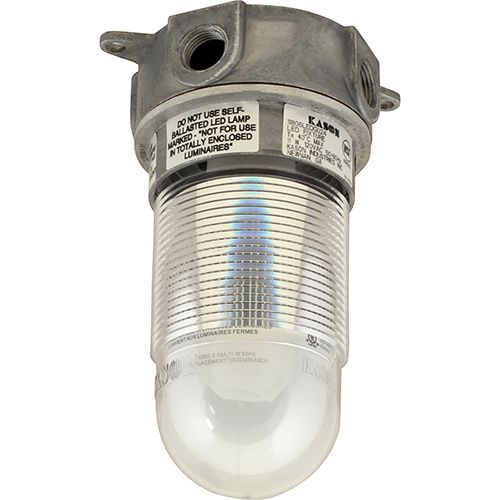
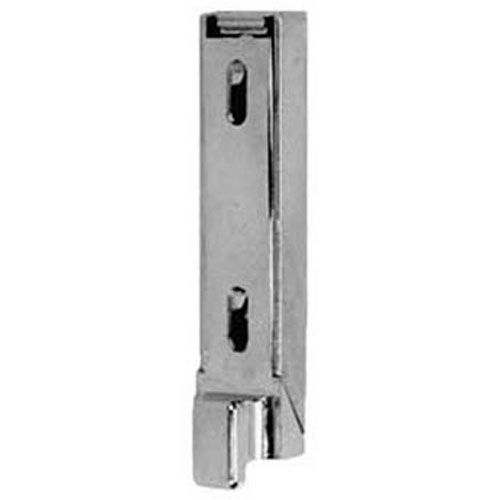
Looking for commercial kitchen equipment parts? Shop Kason replacement parts at PartsFe, including door latches, latch and strike assemblies, chrome handles, door hinges, and strip curtains for walk-in coolers, freezers, and more.
Key Factors to Consider When Choosing a Replacement Kason Gasket
The table below outlines the key factors to consider when selecting a Kason walk-in cooler door gasket for proper fit, compression, and sealing performance.
|
Factor |
What to Check |
Why It Matters |
|
Profile & Mounting Type |
Identify whether the gasket is push-in, snap-in, screw-in, or magnetic. |
Ensures the gasket attaches correctly and forms a proper seal. |
|
Dimensions & Configuration |
Measure the required width and height and confirm the number of sealing sides and door handles. |
Prevents gaps, stretching, and improper compression. |
|
OEM Part Number |
Check the original Kason or door manufacturer's part number. |
Provides a reliable reference for finding the correct replacement. |
|
Material & Temperature Rating |
Verify the gasket material and its suitable operating temperature range. |
Helps maintain flexibility and durability in coolers and freezers. |
|
Door & Frame Condition |
Inspect the gasket channel, retaining strip, hinges, frame, and mounting area for damage or debris. |
A damaged or misaligned door can prevent even gasket contact. |
|
Compatibility & Hardware |
Confirm compatibility with the cooler model and check whether mounting hardware or a retaining strip is required. |
Helps avoid installation problems and ensures the replacement works with the existing door. |
Common Signs Your Kason Walk-In Cooler Door Gasket Needs Replacement
The following signs can help you identify when your walk-in cooler door gasket is no longer providing an effective seal.
-
Cracks or Tears: Look for splits, cuts, missing sections, or damaged corners. Even small tears can create openings around the door.
-
Hard or Flattened Gasket: A gasket that feels stiff or remains compressed instead of returning to its original shape may no longer seal effectively.
-
Visible Gaps: Check for spaces between the gasket and door frame when the door is closed. Gaps can allow warm air and moisture to enter.
-
Frost or Condensation: Moisture or frost around the door perimeter can indicate that outside air is entering through a weak seal.
-
Door Closing Problems: If the door becomes difficult to close, does not latch properly, or requires extra force, inspect the gasket and door alignment.
-
Temperature Changes: A cooler that struggles to maintain its normal temperature may have a sealing problem. Check the gasket along with other refrigeration components.
-
Longer Cooling Cycles: If the refrigeration system appears to run more frequently than usual, inspect the door seal for possible air leakage.
-
Air Movement or Drafts: Feeling air movement around the closed door can indicate that the gasket is not making consistent contact with the frame.
Tip: Pay extra attention to corners, hinge-side sections, and the bottom of the door, as these areas can experience frequent wear or impact. Replace the gasket when it is visibly damaged, permanently deformed, or unable to maintain a consistent seal.
Also check out Heatcraft walk-in freezer troubleshooting: common issues & solutions explained
Best Practices for Extending Kason Walk-In Cooler Gasket Life
Below are the key practices to maintain gasket condition, support sealing performance, and extend service life. Inspect the door assembly, including the Kason walk-in cooler door hinge flush mounts, for alignment or hardware issues.
-
Clean the Gasket Regularly: Wipe the gasket with mild soap and water to remove grease, food residue, and dirt. Avoid harsh cleaners that may damage the material.
-
Inspect for Damage: Check the gasket regularly for cracks, tears, hardening, flattening, or loose sections. Pay close attention to corners and areas near the hinges.
-
Keep the Door Frame Clean: Remove dirt, ice, and debris from the gasket channel and door frame. Buildup can prevent the gasket from making even contact with the frame.
-
Avoid Pulling or Stretching: Do not pull, drag, or stretch the gasket when opening or closing the door. Excessive force can deform the seal and create gaps.
-
Check Door Alignment: Make sure the door closes evenly and does not rub against the gasket. Misaligned hinges or worn door hardware can place additional stress on the seal.
-
Prevent Ice Buildup: Remove frost or ice around the door seal promptly. Persistent buildup may indicate an air leak or another door-sealing issue that needs attention.
-
Replace Damaged Gaskets Promptly: If cleaning and adjustment cannot restore the seal, replace the gasket with a compatible Kason model. Continuing to use a damaged gasket can increase cooling workload and affect temperature control.
Regular cleaning, inspection, and proper door operation can help extend gasket life while maintaining an effective seal around the walk-in cooler door.
Summary: Choosing the Right Kason Gasket for a Walk-In Cooler
Choosing the right Kason gasket means matching the profile, size, mounting style, material, and temperature rating to your cooler door. Proper installation and regular maintenance help maintain a tight seal, reduce air leakage, and support consistent cooling performance.
Key Takeaways
-
Match the gasket profile and mounting style with your cooler door for a secure, proper seal.
-
Confirm the dimensions and door configuration to prevent gaps, stretching, or poor compression.
-
Check the material and temperature rating for your cooler or freezer conditions.
-
Inspect for cracks, tears, flattening, gaps, frost, or condensation that indicate gasket failure.
-
Keep the gasket and door frame clean and free from dirt, grease, and ice buildup.
FAQs
Can Kason walk-in cooler door closers affect gasket sealing?
Yes. Kason walk-in cooler door closers help control how the door closes against the frame. Worn or misaligned closers can prevent the gasket from compressing evenly and may contribute to air leakage.
Does a Kason walk-in cooler door handle affect gasket replacement?
The handle does not usually determine the gasket profile, but checking the overall door configuration is still important. A Kason walk-in cooler door handle should also operate properly so the door can close securely against the gasket.
Which Kason walk-in cooler hardware should be inspected for a door gasket?
Inspect the Kason walk-in cooler hardware, including mounting components, retaining strips, hinges, and related door hardware. Damaged or loose components can affect door alignment and gasket compression.
|
Disclaimer: This article is for informational purposes only. Always verify gasket compatibility and installation requirements for your specific cooler door and consult a qualified technician when needed. |