How to Clean a Delfield Refrigerator Condenser Coil: A Step-by-Step Maintenance Guide
Commercial refrigeration systems are built for durability, but even the most reliable units require consistent maintenance to perform at peak efficiency. One of the most overlooked yet critical maintenance tasks is cleaning the condenser coil.
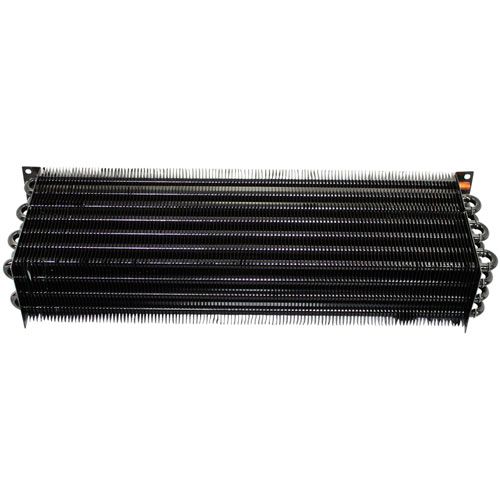
Dust, grease, and airborne debris gradually accumulate on condenser coils, forcing the compressor to work harder than necessary. Over time, this leads to overheating, reduced cooling efficiency, and even premature system failure. The good news is that cleaning a Delfield refrigerator condenser coil is a straightforward process when done correctly and regularly.
This blog provides a detailed, step-by-step explanation of how to clean a Delfield commercial refrigerator condenser coil, along with essential maintenance insights, common mistakes to avoid, and preventive care strategies.
Why Regular Condenser Coil Cleaning Is Essential for Delfield Refrigerators
Regular maintenance of a Delfield refrigerator condenser coil is critical to ensure stable cooling performance, energy efficiency, and long-term equipment reliability. Neglecting coil cleaning leads to higher operating costs and increased risk of system failure. Below are the key benefits explained in detail:
-
Improved Energy Efficiency: A dirty condenser coil forces the compressor to run longer cycles. This increases electricity consumption significantly, leading to higher operational costs.
-
Extended Equipment Lifespan: When the compressor is constantly under stress due to poor heat dissipation, it wears out faster. Regular cleaning reduces strain and extends the life of the refrigerator.
-
Consistent Cooling Performance: Blocked coils prevent proper heat release, which can cause temperature fluctuations inside the refrigerator. This is especially critical for perishable goods.
-
Reduced Repair Costs: Preventive cleaning minimizes the risk of major breakdowns, reducing the need for expensive repairs or part replacements.
-
Compliance with Food Safety Standards: For commercial kitchens, maintaining proper refrigeration temperatures is essential for meeting health and safety regulations. Dirty coils can compromise these standards.
Looking for commercial kitchen equipment parts? Shop commercial refrigerator parts at PartsFe, including air filters, compressor relays, shelves, and more to keep your refrigeration equipment running efficiently.
Step-by-Step Process on How to Clean a Delfield Refrigerator Condenser Coil
Cleaning a Delfield refrigerator condenser coil is a straightforward maintenance task when done systematically. The goal is to safely remove dust, grease, and debris without damaging the coil fins or electrical components. Below is a simplified 8-step process that retains only the essential actions.
Step 1: Turn Off the Power Supply
Before starting, disconnect the refrigerator from the power source. This eliminates the risk of electrical shock and protects internal components during cleaning.
Step 2: Locate the Condenser Coil
Identify the condenser coil location in your Delfield unit. It is typically found either behind the front bottom grille or at the rear. If unsure, refer to the equipment manual for the exact placement.
Step 3: Remove the Access Panel or Grille
Carefully remove the protective cover using a screwdriver if required. Keep screws and fittings in a safe place to avoid loss during reassembly.
Step 4: Inspect the Coil
Check the coil surface for dust buildup, grease layers, or blocked airflow. This inspection helps determine how intensive the cleaning process needs to be.
Step 5: Dry Cleaning with a Coil Brush
Use a soft coil brush to gently remove loose debris. Always brush along the direction of the fins to avoid bending or damaging them.
Step 6: Vacuum Remaining Debris
Use a vacuum cleaner with a soft brush attachment to extract loosened dust and dirt. This ensures deeper cleaning and prevents debris from recirculating inside the unit.
Step 7: Apply Coil Cleaner and Rinse if Needed
Spray a non-corrosive coil cleaning solution evenly across the coil. Allow it to break down grease and buildup. If the product instructions require it, rinse gently using low-pressure water while ensuring no moisture enters electrical parts.
Step 8: Reassemble and Restore Power
Once the coil is fully clean and dry, reinstall the access panel or grille. Restore power and observe the refrigerator to ensure smooth operation and improved cooling performance.
A properly maintained fridge condenser coil enhances cooling efficiency, reduces compressor strain, and ensures stable temperature control within the unit.
Common Mistakes to Avoid During Condenser Coil Cleaning
Improper maintenance of a Delfield refrigeration system’s condenser coil can reduce efficiency, increase energy costs, and shorten equipment lifespan. Avoid these common mistakes during cleaning.
Mistake 1: Using High-Pressure Water on the Condenser Coil
Using high-pressure water on a condenser coil can bend delicate fins and restrict airflow, reducing heat transfer efficiency. Always use low-pressure cleaning methods to avoid damage.
Mistake 2: Not Disconnecting Power Before the Condenser Coil Cleaning Process
Failing to switch off the power before working is a serious safety risk. It can cause electrical shock and damage internal components. Always fully disconnect the unit before servicing.
Mistake 3: Using Harsh Chemicals on the Condenser Coil Surface
Using strong acids, bleach, or abrasive cleaners can corrode fins and reduce cooling efficiency. Only use non-corrosive, refrigeration-safe solutions.
Mistake 4: Ignoring Bent Fins in the Condenser Coil Assembly
Bent fins block airflow and reduce performance even after cleaning. If not corrected with a fin comb, the coil continues to operate inefficiently under strain.
Mistake 5: Skipping Routine Cleaning of the Condenser Coil System
Dust and grease buildup force the compressor to work harder, increasing energy consumption and wear. Regular cleaning is essential for stable condenser coil performance.
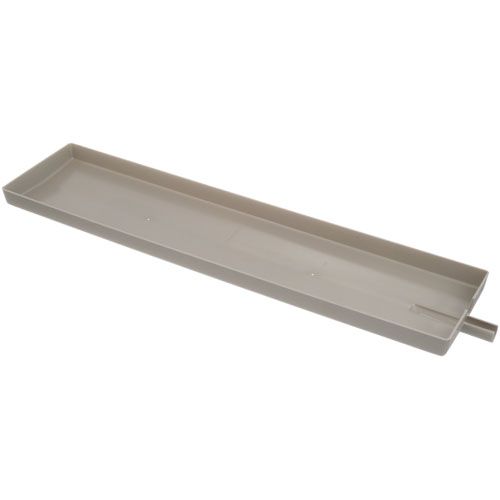
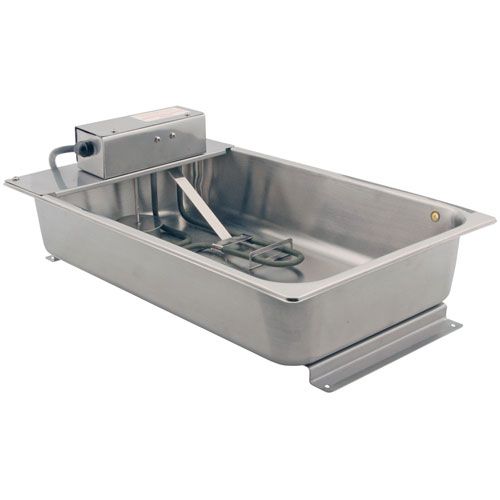
Find out how to fix and maintain a commercial refrigerator drain pan easily without professional assistance
Preventive Maintenance Tips to Keep Your Delfield Refrigerator Running Efficiently
Preventive maintenance is the key to avoiding costly breakdowns and ensuring long-term performance. In addition to regular condenser coil cleaning, consider the following practices:
-
Establish a Cleaning Schedule: For commercial environments, clean the condenser coil every 1–3 months, depending on usage and environmental conditions. Dusty or greasy kitchens may require more frequent cleaning.
-
Maintain Proper Airflow Around the Unit: Ensure there is sufficient clearance around the refrigerator for proper ventilation. Avoid placing objects near the condenser area.
-
Monitor Temperature Consistently: Regularly check internal temperatures to detect early signs of cooling inefficiency.
-
Keep Surrounding Areas Clean: Reduce airborne grease and dust by maintaining cleanliness in the kitchen or storage area.
-
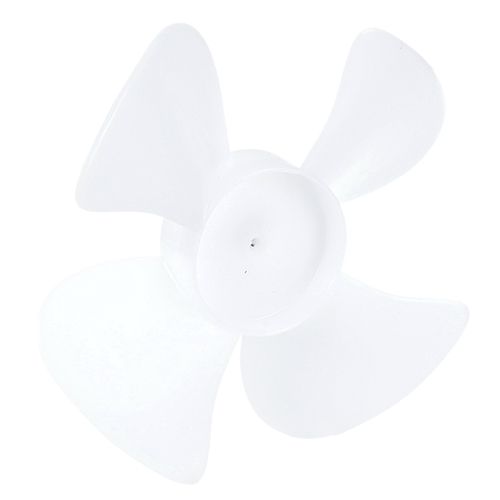
Inspect Evaporator Coils/Fans: Ensure the evaporator coils are free from ice buildup, dirt, or blockages, and confirm that evaporator fans are operating correctly to maintain consistent airflow and cooling performance.
-
Schedule Professional Servicing: While basic cleaning can be done in-house, schedule periodic inspections by a refrigeration technician to identify deeper mechanical issues.
By following these preventive steps, you can significantly extend the life of your Delfield refrigerator while maintaining optimal performance and energy efficiency.
Summary: Keep Your Delfield Refrigerator Running at Peak Efficiency
Cleaning a Delfield refrigerator condenser coil is a simple but essential maintenance task that directly impacts cooling efficiency, energy consumption, and equipment lifespan. Regular upkeep prevents dust and grease buildup, ensuring stable temperature control and reducing the risk of costly breakdowns in commercial refrigeration systems.
Key Takeaways
-
A clean fridge condenser coil improves energy efficiency and reduces electricity costs.
-
Regular maintenance of the condenser coil for the refrigerator prevents compressor overloading and system failure.
-
Knowing how to clean a condenser coil on a refrigerator helps maintain consistent cooling performance.
-
Dirty condenser coils in refrigerator units can lead to temperature fluctuations and food safety risks.
-
Routine refrigerator condenser coil cleaning extends the overall lifespan of the Delfield refrigerator.
-
Proper care of the Delfield refrigerator condenser coil reduces repair frequency and maintenance costs.
FAQs
How to unblock fridge condenser coils?
Turn off and unplug the refrigerator first. Remove the access cover, then clean the condenser coils using a soft brush to loosen dust. Use a vacuum to remove debris and restore proper airflow.
What happens when a refrigerator condenser coil is dirty?
A dirty condenser coil reduces heat transfer, forcing the compressor to work harder. This leads to higher energy use, poor cooling, temperature fluctuations, and increased risk of system overheating or failure.
How to clean RV fridge condenser coils?
Switch off the power and locate the coils. Remove dust using a soft brush or compressed air, then vacuum remaining dirt. For stubborn buildup, use a non-corrosive coil cleaner.
|
Disclaimer: This content is for informational purposes only. Always follow the manufacturer's guidelines and safety instructions when servicing refrigeration equipment. |