Commercial Fryer Innovation: Automated Filtration Systems That Deliver Up to 50% Longer Oil Life
Cooking oil is one of the largest recurring expenses in commercial kitchens. Restaurants, cafeterias, and foodservice operations often replace fryer oil frequently due to contamination from food particles, carbon buildup, and continuous exposure to high temperatures. This not only increases operating costs but can also affect food quality and kitchen efficiency.
What if your fryer could automatically clean and preserve its own cooking oil throughout the day? Modern commercial fryers equipped with automated filtration systems are helping foodservice operators extend oil life by up to 50%, reduce labor requirements, improve food consistency, and lower overall operating costs.
In this blog, we explore how automated fryer filtration systems work, why they significantly extend oil life, the operational benefits they provide, and the key factors to consider when selecting a commercial fryer with built-in filtration technology.
What Are Automated Filtration Systems in Commercial Fryers?
Automated filtration systems are built-in technologies in commercial fryers that automatically remove food particles, crumbs, and other contaminants from cooking oil at scheduled intervals. By filtering debris before it burns and carbonizes, these systems help preserve oil quality, extend oil life, and maintain consistent frying performance.
Key components of an automated filtration system are shown in the image below.
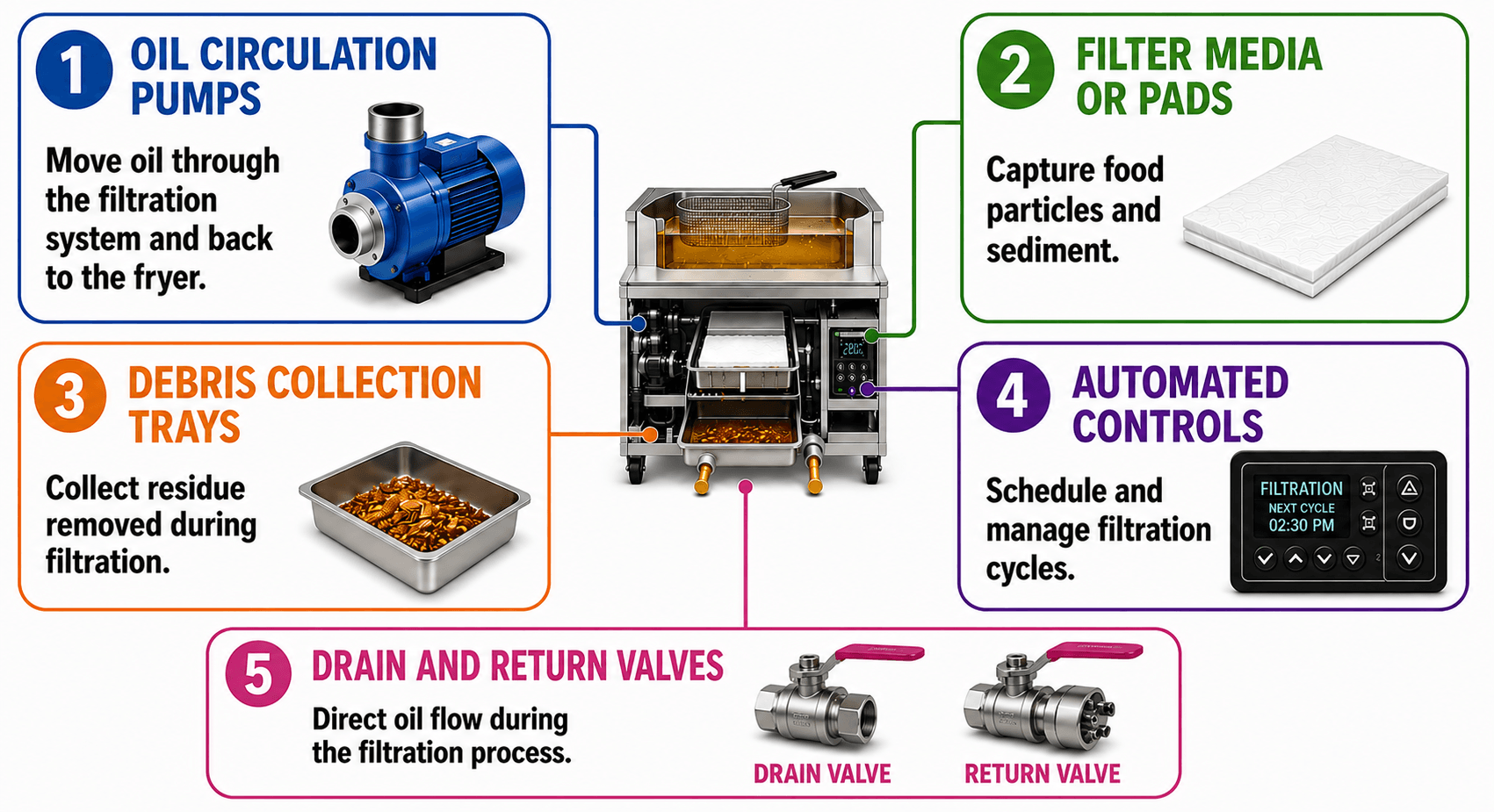
During daily frying operations, breading, batter, and food particles gradually accumulate in the oil. If left unfiltered, these contaminants can accelerate oil breakdown, affect food flavor and appearance, and increase operating costs. Automated filtration systems continuously or periodically remove debris and return cleaner oil to the fry pot with minimal staff involvement, helping improve efficiency and food quality.
How Automated Oil Filtration Extends Frying Oil Life by Up to 50%
Automated filtration preserves oil quality by removing contaminants that accelerate degradation. The following factors explain how the system helps extend oil life and maintain consistent frying performance.
-
Removal of Food Debris: Food particles left in hot oil continue to burn after cooking, releasing compounds that accelerate oil degradation. Automated filtration removes these particles, helping to maintain cleaner, longer-lasting oil.
-
Reduced Carbon Buildup: Carbonized debris speeds up oil breakdown and contributes to darkening and off-flavors. Regular filtration reduces carbon accumulation, preserving oil quality and extending usable oil life.
-
Better Heat Transfer: Clean oil transfers heat more efficiently, allowing food to cook evenly and consistently. By removing debris, automated filtration helps maintain stable frying temperatures and energy efficiency.
-
Consistent Oil Maintenance: Automated systems filter oil at scheduled intervals without relying on staff intervention. This consistent maintenance helps protect oil quality throughout daily operations and reduces the need for premature oil replacement.
Key Benefits of Automated Filtration for Food Quality, Efficiency, and Cost Savings
The following key benefits of automated filtration in commercial fryers are listed below.
-
Consistent Food Quality: Cleaner oil helps maintain the taste, texture, color, and appearance of fried foods. Consistent frying conditions support product quality standards and improve customer satisfaction.
-
Reduced Labor Requirements: Automated filtration reduces the need for manual oil maintenance, allowing employees to spend more time on food preparation and customer service.
-
Lower Oil Consumption: By removing contaminants that accelerate oil degradation, automated filtration helps extend oil life and reduce the frequency of oil replacement, lowering operating costs.
-
Improved Kitchen Efficiency: Scheduled filtration cycles minimize fryer downtime and reduce interruptions caused by manual cleaning and maintenance.
-
Reduced Waste: Extending oil life decreases the volume of waste oil generated, helping foodservice operations support sustainability and waste-reduction initiatives.
-
Enhanced Employee Safety: Automated filtration reduces direct handling of hot cooking oil, lowering the risk of burns, spills, and other workplace injuries.
Choosing the Right Commercial Fryer with an Automated Filtration System
Not all automated filtration systems offer the same features and performance. Consider the following factors when comparing commercial fryer options.
-
Assess Your Frying Volume: Fryer size and capacity should align with daily production needs. High-volume operations benefit from larger fry pots and advanced filtration, while smaller kitchens may prefer compact systems suited for moderate use.
-
Evaluate Filtration Features: Manufacturers offer varying levels of automation. Look for features such as automatic filtration scheduling, digital controls, and programmable maintenance alerts that simplify operation.
-
Consider Filter Performance: Filtration quality depends on the filter media. High-efficiency systems remove finer particles, helping maintain cleaner oil and extend oil life.
-
Review Maintenance Requirements: Even automated systems require upkeep. Choose models with accessible components, simple cleaning processes, and readily available replacement parts for long-term reliability.
-
Analyze Operating Costs and ROI: Compare upfront costs with long-term savings from reduced oil usage, lower labor needs, and improved productivity. In high-volume operations, these savings can offset the initial investment over time.
Find out how to choose a commercial deep fryer that reduces oil costs while maintaining consistent cooking performance
Summary: Why Automated Filtration Is Changing Commercial Frying
Automated filtration systems help commercial kitchens maximize the value of their cooking oil by removing contaminants that accelerate degradation. By extending oil life by up to 50%, these systems reduce operating costs, improve food consistency, and streamline daily fryer maintenance.
Key Takeaways
-
Automated filtration systems remove food particles and contaminants that shorten oil life.
-
Regular filtration can extend the life of frying oil by up to 50%.
-
Cleaner oil helps maintain consistent food quality, taste, texture, and appearance.
-
Automated filtration reduces manual labor and simplifies fryer maintenance.
-
Longer oil life lowers oil purchasing costs and reduces waste oil disposal.
-
Selecting the right fryer requires evaluating filtration features, capacity, maintenance needs, and long-term ROI.
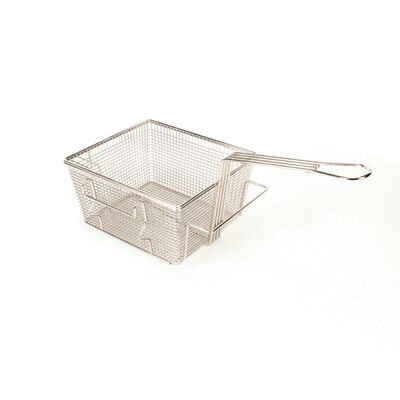
Looking for commercial kitchen equipment parts? Shop commercial fryer parts at PartsFe, including gas conversion kits, armored thermopiles, fryer baskets, and basket support racks to ensure better fryer maintenance.
References:
https://natural-resources.canada.ca/stories/spotlight-energy-efficiency/much-you-know-about-your-commercial-fryer
FAQs
How does automated filtration affect fryer startup times?
Automated filtration does not typically impact startup times. Instead, cleaner oil can help fryers reach and maintain target cooking temperatures more efficiently.
Can automated filtration help extend the life of fryer components?
Yes. By reducing the buildup of carbon and debris, filtration can decrease wear on fryer components and support more reliable long-term operation.
Is automated filtration suitable for kitchens with multiple fryer stations?
Yes. Multi-fryer operations often benefit the most because automated filtration helps maintain consistent oil quality across stations while reducing maintenance demands.
|
Disclaimer: This content is for informational purposes only. Actual fryer performance, oil life, and results may vary based on equipment, usage, and maintenance practices. |