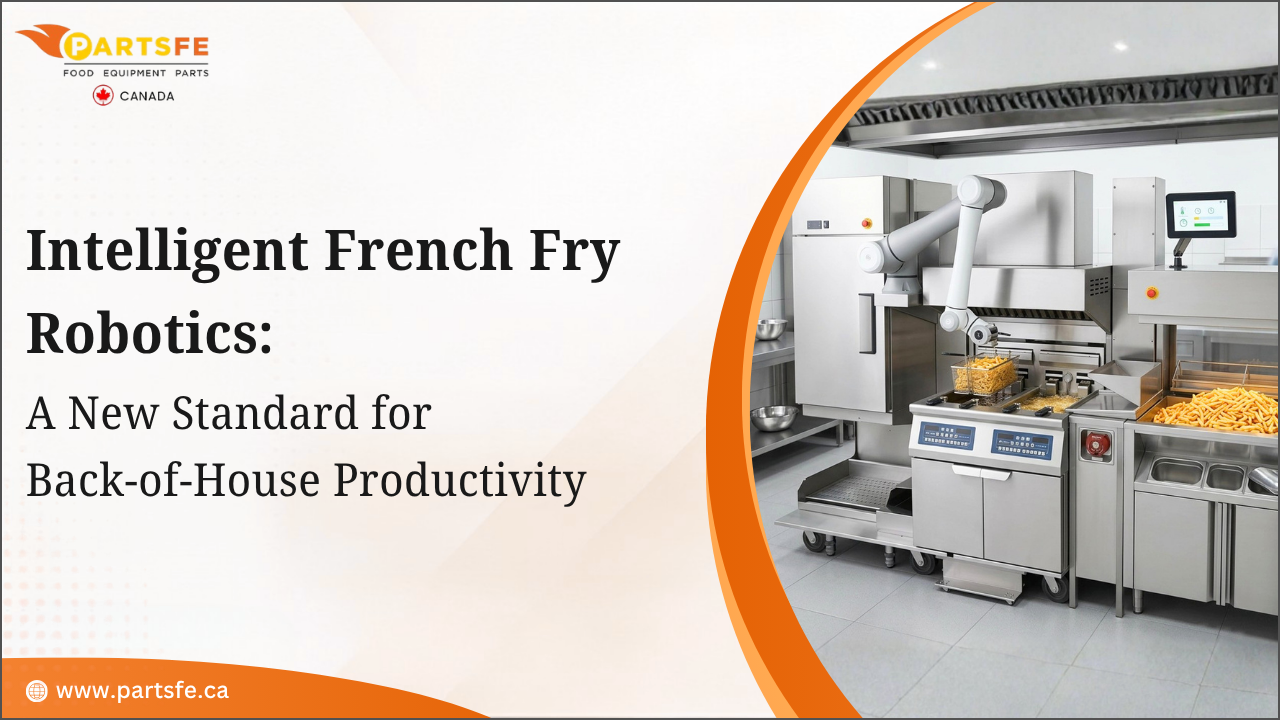
Intelligent French Fry Robotics: A New Standard for Back-of-House Productivity
Commercial kitchens are facing sustained pressure to improve speed, consistency, and cost efficiency while managing ongoing labour shortages and rising wage costs. In this environment, fry preparation often becomes a key bottleneck during peak service periods, affecting overall kitchen flow and order turnaround times.
Intelligent French fry robotics offer a targeted automation solution designed to address these operational challenges. By combining robotics, AI-driven controls, and sensor-based monitoring, these systems help standardize frying processes, reduce manual intervention, and maintain consistent product quality across service cycles.
In this blog, we explore why commercial kitchens are adopting fry automation, the key technologies behind intelligent French fry robotics, how these systems reduce costs and improve efficiency, and the future trends shaping AI-powered kitchen automation.
Why Commercial Kitchens Are Adopting Intelligent French Fry Robots
Commercial kitchens in Canada are adopting intelligent French fry robots due to ongoing labour shortages, rising wage costs, and high staff turnover. These pressures make it difficult to maintain smooth operations, especially at fry stations that often slow down service during peak hours. Automation reduces dependence on manual frying and improves workflow stability.
In addition, fry automation improves consistency, safety, and speed. By standardizing cook times and portion sizes while reducing exposure to hot oil, these systems help lower waste, minimize injuries, and maintain steady output during high-demand periods.
Key Reasons for Adoption of French Fry Robots in Canada
Below are the key reasons why commercial kitchens are increasingly adopting French fry robots as part of their automation strategy:
-
Labour Shortage & Cost Pressure: Labour is a major operating cost in Canada, and staffing shortages are common, making automation a key cost-control strategy.
-
Consistency & Quality Control: Robotics delivers consistent portion sizes, cook times, and frying standards, reducing waste and variability.
-
Speed & Throughput: Automated systems can handle approximately 100 to 150 fry orders per hour, maintaining output during peak demand without fatigue.
-
Safety & Liability Reduction: Automation reduces direct exposure to hot oil, lowering burn risk and workplace injury costs.
-
Innovation Advantage: Early adoption supports a modern, tech-forward brand image while reducing dependence on repetitive manual labour.
Check out commercial fryer innovation: automated filtration systems that deliver up to 50% longer oil life, boosting efficiency and reducing waste
Key Features and Technologies Behind Automated French Fry Systems
The key features and technologies behind intelligent French fry robotics are listed below,
-
Most systems use a six-axis robotic arm or gantry setup to handle fryer baskets with precision and repeatability.
-
AI-powered computer vision and temperature sensors monitor oil conditions and detect optimal cooking stages in real time.
-
Robots automatically load, agitate, and remove fryer baskets at programmed cook times to ensure consistency.
-
Integrated dispensing systems can portion frozen product accurately before cooking, reducing waste and human error.
-
Some platforms include automated post-cook handling, such as transferring fries into warming or holding stations to maintain crispness.
-
Advanced models feature Clean-In-Place (CIP) systems, enabling automated cleaning between cooking cycles to improve hygiene and reduce downtime.
-
Seasoning and finishing modules can apply sauces or spices evenly for standardized product presentation.
-
Built-in HACCP-compliant logging systems track oil temperature, cook duration, and deviations for food safety compliance.
How Fry Automation Cuts Costs, Reduces Waste, and Speeds Up Service
The benefits of fry automation in restaurants are outlined below, showing its impact on cost savings, efficiency, and service performance:
-
Labour Cost Reduction: Automated fry stations reduce dependency on dedicated fry cooks, delivering significant annual savings by replacing repetitive frying roles.
-
Lower Staffing Expenses: A typical fry station employee costs more than robot-as-a-service models, improving overall cost efficiency for restaurant operations.
-
Reduced Food Waste: Precise timing and portion control minimize overcooking and batch errors, resulting in meaningful reductions in ingredient waste.
-
Oil and Utility Savings: Optimized frying cycles and handling reduce oil waste while energy-efficient systems lower overall consumption.
-
Higher Throughput: Automated systems increase fry order-processing capacity during peak hours compared to manual operations.
-
Faster Service Times: Removing fry station bottlenecks improves order speed and enhances overall kitchen flow and customer experience.
Future Trends in AI-Powered Fry Stations and Kitchen Automation
The key trends shaping AI-powered fry stations and kitchen automation are explained below:
-
AI-powered fry stations in Canada are expected to become more intelligent, using demand forecasting and computer vision to optimize cooking times, ingredient preparation, and food quality monitoring.
-
Canadian food-tech companies such as Appetronix and Cibotica are advancing kitchen automation solutions, demonstrating the growing adoption of robotics for food preparation and assembly tasks.
-
Emerging technologies, including IoT, edge computing, and machine learning, will enable real-time equipment monitoring, improved operational efficiency, and continuous optimization of cooking processes.
-
Government support through innovation programs and SR&ED tax incentives is helping accelerate research and development in foodservice automation and robotics across Canada.
-
Future Canadian kitchens may rely heavily on AI-managed systems that reduce labour requirements, improve sustainability through energy optimization, and enhance overall productivity and consistency.
Summary: How Smart Fry Automation Is Transforming Kitchen Performance
Intelligent French fry robotics are emerging as a key automation solution in commercial kitchens, addressing labour shortages, rising operating costs, and consistency challenges. These systems combine robotics, AI, and IoT-driven monitoring to streamline frying operations, improve safety, and boost throughput.
Key Takeaways
-
Labour shortages and high wage costs are accelerating the adoption of fry automation.
-
Fry robots reduce dependence on manual fry-station workers while improving consistency and output quality.
-
Automation systems can process roughly 100-150 fry orders per hour, reducing peak-hour bottlenecks.
-
AI, sensors, and computer vision optimize cook times, oil quality, and food safety compliance in real time.
-
Cost savings come from reduced labour, lower waste, improved oil efficiency, and faster service speeds.
-
Future kitchens will integrate IoT, predictive analytics, and robotics into fully automated cooking ecosystems.
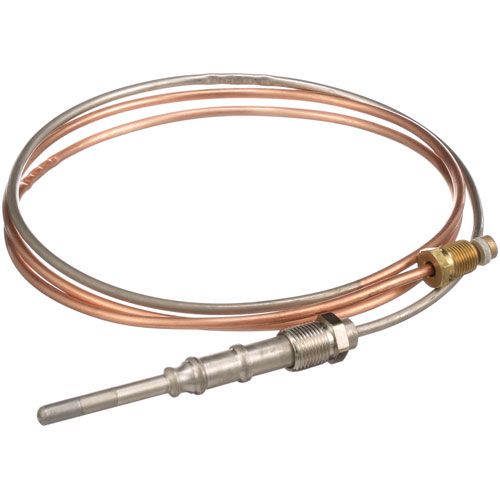
Looking for commercial kitchen equipment parts? Shop commercial fryer parts at PartsFe, including gas conversion kits, armored thermopiles, fryer baskets, and basket support racks to ensure better fryer maintenance.
References:
https://natural-resources.canada.ca/stories/spotlight-energy-efficiency/much-you-know-about-your-commercial-fryer
FAQs
Do staff need special training to operate fry robots?
Minimal training is required. Most systems use simple interfaces with guided workflows, often learned within a few hours.
Can automated fry stations handle different menu items?
Yes. They can be programmed for multiple fry types, cook times, and batch sizes, allowing flexible menu operations.
What happens if the system breaks down during peak hours?
Most systems include manual override modes, allowing staff to continue basic frying operations while servicing is arranged.
|
Disclaimer: This content is for informational purposes only. Estimates and outcomes may vary and should be independently verified before any business or investment decisions. |