How to Troubleshoot T&S Brass Faucets and Restore Smooth Water Flow
Is your T&S Brass faucet losing water pressure or leaking during operation? Problems such as clogged aerators, mineral buildup, worn cartridges, and damaged seals can reduce water flow and affect efficiency in busy restaurant kitchens.
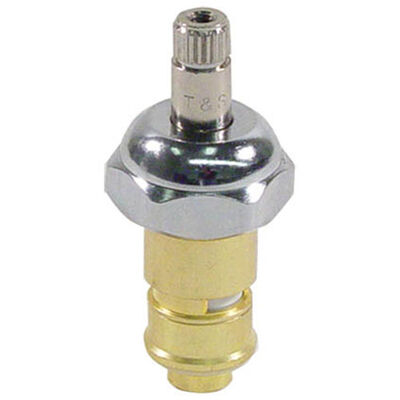
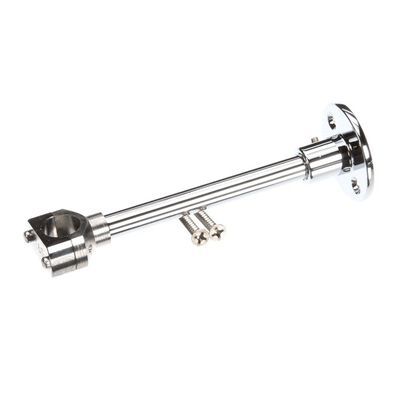
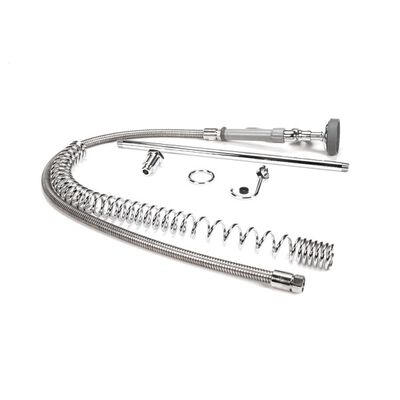
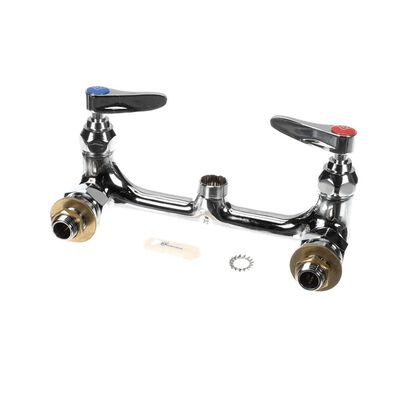
Issues like weak flow, dripping faucets, irregular spray patterns, and leaking handles often indicate blocked water passages or worn internal components. Using the high-quality T&S faucet parts for repairs helps restore water flow, improve faucet performance, and prevent recurring issues that can disrupt kitchen operations.
This blog covers common T&S Brass faucet problems, their causes, troubleshooting steps, & maintenance tips to help restore smooth water flow and consistent performance.
Why T&S Brass Faucet Problems Can Affect Water Flow Performance
T&S Brass Faucets problems can affect water flow performance because clogged aerators, mineral buildup, worn internal components, and pressure-related issues can restrict water movement and reduce faucet efficiency. Common factors that can reduce faucet performance include:
-
Mineral Buildup: Hard water deposits can accumulate inside cartridges, aerators, and internal passages, reducing water flow over time.
-
Clogs and Debris: Sediment, rust, and pipe debris may block aerators, strainers, or mixing valves and restrict water movement.
-
Worn Seals and Cartridges: Damaged O-rings, washers, or cartridges can cause leaks, pressure loss, and inconsistent faucet operation.
-
Low Water Pressure: Faulty pressure regulators, partially closed valves, or supply-line issues can limit faucet performance.
-
Mixing Valve Problems: Faucets with mixing or thermostatic valves may develop weak hot or cold water flow when internal components become clogged.
Looking for commercial kitchen equipment parts? Shop T&S faucet parts at PartsFe, including pre-rinse units, faucets, spray valves, hose reels, gaskets, and more for commercial kitchen maintenance.
Common Signs Your T&S Brass Faucet Needs Troubleshooting
The table below highlights common faucet issues, possible causes, recommended fixes, and estimated repair times.
|
Sign |
Likely Cause |
Recommended Action |
Est. Time |
|
Low or no water flow |
Clogged aerator, blocked cartridge, or low water pressure |
Clean aerator, flush lines, and inspect cartridge components |
10–20 min |
|
Irregular or sputtering flow |
Air in lines, debris buildup, loose fittings, or faulty ball assembly / worn springs |
Flush lines and clean aerator; inspect ball assembly and springs on ball-type faucets |
5–15 min |
|
Leaking at the spout |
Worn O-rings, damaged nozzle seals, or loose fittings |
Replace seals and tighten spout connections |
5–10 min |
|
Handle or bonnet leak |
Worn washer, damaged cartridge, or loose bonnet nut |
Inspect and replace internal sealing components |
15–30 min |
|
Water around the faucet base |
Spray hose leak, damaged vacuum breaker, or loosened mounting nut / worn base sealant |
Inspect hose connections; tighten the mounting nut under the sink, and reseal the base if required |
10–20 min |
|
Weak hot or cold flow |
Mixing valve blockage, partially closed supply valve, failing cartridge, or temperature-limit device |
Flush lines and inspect mixing valve; check cartridge and temperature-limit stop if present |
15–30 min |
|
Dripping after shutoff |
Worn cartridge or damaged valve seat |
Replace worn washers or cartridge components |
10–20 min |
|
Visible mineral deposits |
Hard water scale buildup |
Clean affected components and descale faucet parts |
5–10 min |
Step-by-Step Process to Troubleshoot T&S Brass Faucet Issues
To accurately identify and resolve water flow problems, follow the step-by-step process below to inspect key faucet components and restore proper operation.
Step 1: Shut Off the Water Supply Safely
Turn off the shut-off valves connected to the faucet before starting any repair work. Open the faucet fully to release remaining pressure and drain excess water from the lines.
Step 2: Verify the Main Water Supply
Confirm that the building water supply is active and that all supply valves beneath the fixture are fully open. If multiple fixtures have low pressure, inspect the overall plumbing supply before servicing the faucet.
Step 3: Check Water Pressure Levels
Use a pressure gauge, if available, to confirm the system is operating within the normal pressure range. Low building pressure or a faulty pressure regulator can significantly reduce faucet performance.
Step 4: Remove and Clean the Aerator
Unscrew the aerator or spray outlet and inspect it for mineral buildup, debris, or sediment blockage. Clean the component thoroughly with water or vinegar to restore unrestricted flow.
Step 5: Inspect the Faucet Spout and O-Rings
Examine the spout assembly for leaks, loose fittings, or worn O-rings. On swivel spouts, damaged seals around the base can affect water flow and should be replaced if worn.
Step 6: Examine Handles and Internal Valve Components
Operate both hot and cold handles to check for stiffness or irregular movement. Remove the handle assembly and inspect cartridges, stems, ceramic discs, and washers for wear, cracks, or debris buildup.
Step 7: Inspect Mixing Valves and Spray Components
For faucets equipped with mixing valves, sprayers, or vacuum breakers, inspect these parts for sediment accumulation or internal damage that may restrict flow or cause leaking.
Step 8: Flush Internal Water Passages
With the faucet partially disassembled, flush water through the internal passages to clear trapped debris or sediment. Soak scaled components in a mild descaling solution if necessary.
Step 9: Reassemble the Faucet and Test Performance
Reinstall all cleaned or replaced components securely and apply lubricant to rubber seals where required. Turn the water supply back on slowly and test the faucet for proper flow, pressure, and leak-free operation.
How Routine Maintenance Helps Restore Smooth Water Flow Faster
Routine maintenance helps prevent water flow issues and keeps T&S faucets operating efficiently. Refer to the maintenance practices below to reduce repairs, improve performance, and extend faucet lifespan.
-
Clean Aerators and Spray Outlets: Mineral buildup, sediment, and debris can restrict water flow over time. Regular faucet aerator cleaning helps maintain consistent water pressure and smooth water flow.
-
Inspect and Lubricate Seals: Check for stiff handles, leaks, or worn internal parts twice a year. Lubricate moving components with approved grease and replace damaged washers, seals, or cartridges to maintain smooth operation.
-
Flush Water Supply Lines: Running faucets at full flow periodically is one of the most effective plumbing maintenance tips for removing sediment and preventing debris buildup in supply lines.
-
Test Shutoff Valves: Operate shutoff valves annually to ensure they function correctly. Seized or partially closed valves can reduce water flow and affect overall faucet performance.
-
Inspect Vacuum Breakers: Check vacuum breakers and anti-siphon components on pre-rinse and frost-resistant units to ensure proper operation. Replace worn parts as part of routine preventive maintenance.
-
Manage Hard Water Buildup: Hard water can cause scale accumulation inside faucets and plumbing lines. Installing filters, scale-control devices, or water softeners can help maintain steady flow and reduce internal wear.
-
Protect Against Freezing: Drain outdoor faucets and protect exposed pipes before winter. Proper freeze protection helps prevent cracked components, blocked lines, and reduced water flow caused by ice damage.
Check out Commercial kitchen pre-rinse faucets: How to make the right choices for better kitchen efficiency
Summary: Restore Reliable Faucet Performance With Proper Troubleshooting
Proper troubleshooting helps identify the root causes of restricted water flow, leaks, pressure loss, and inconsistent faucet performance in T&S Brass faucets. By inspecting components such as aerators, cartridges, seals, mixing valves, and supply lines, most common issues can be resolved quickly and efficiently.
Key Takeaways
-
Mineral buildup and debris are among the most common causes of reduced faucet water flow.
-
Cleaning aerators, flushing supply lines, and inspecting cartridges can quickly restore normal performance.
-
Worn seals, O-rings, washers, and cartridges can cause leaks and inconsistent faucet operation.
-
Mixing valves, spray assemblies, and vacuum breakers should be inspected regularly for blockage or damage.
-
Routine preventive maintenance helps reduce the frequency of repairs and extend faucet service life.
-
Hard water treatment and freeze protection can help prevent long-term faucet and plumbing damage.
FAQs
What causes a touchless faucet to stop working?
Low battery power, blocked or dirty sensors, loose electrical connections, or mineral buildup in the water line can all cause a touchless faucet to stop responding or work intermittently.
How can I tell if my T&S Brass faucet cartridge is bad?
Common signs include dripping, uneven water flow, temperature control issues, or a stiff handle. In many cases, faucet cartridge replacement is needed to restore proper operation.
How do you reset an automatic T&S Brass faucet?
Turn off the water supply and disconnect the power source or remove the batteries for a few minutes. After reconnecting, the system will reboot and recalibrate the sensor automatically on most models.
How long do motion sensor faucets last?
Most motion sensor faucets last around 8 to 15 years, depending on water quality, frequency of use, and how consistently maintenance tasks like cleaning sensors and replacing batteries are performed.
|
Disclaimer: This content is for informational purposes only. Always follow the manufacturer’s manual or consult a qualified technician for safe and accurate repair and maintenance. |