How Modern Dishwashers Slash Energy Use While Hitting 140°F Disinfection: Booster Heaters & Thermal Tech
Commercial dishwashers use booster heaters and thermal technologies to maintain the water temperatures required for effective cleaning and sanitizing. These systems also help manage energy consumption and maintain consistent performance during busy service periods.
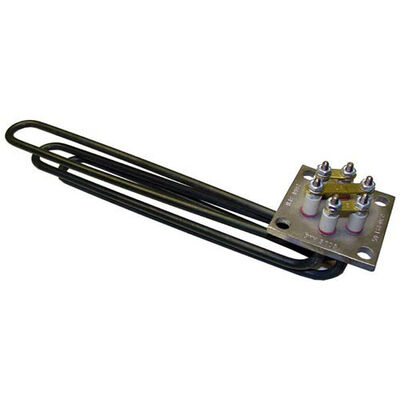
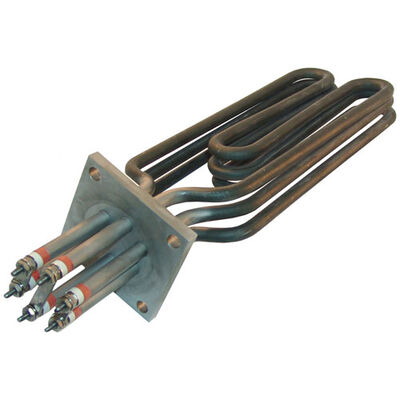
Booster heaters raise incoming water to the temperature specified for the dishwasher’s sanitizing cycle. Heating elements, thermostats, sensors, and heat recovery systems help regulate temperature and minimize heat loss. When these components develop faults or accumulate mineral deposits, heating efficiency and sanitizing performance can suffer.
This blog explains how commercial dishwasher booster heaters work, how thermal systems support sanitizing, and which technologies help reduce energy use. It also covers common heating problems, preventive maintenance practices, and operational improvements.
Table of Contents
Understanding Booster Heaters in Commercial Dishwashers
A booster heater raises incoming water when a facility’s hot-water supply cannot meet a commercial dishwasher’s operating requirements. Water enters the booster, the heating element adds thermal energy, and the heated water then flows to the dishwasher for the final rinse. This arrangement provides additional heating capacity close to the point of use.
How a Booster Heater Works
A typical booster heater includes a heating element, temperature controls, water connections, and safety components. Its operation generally follows these steps:
- Water Enters the Booster: Hot water from the facility’s plumbing system enters the booster through the designated inlet. The incoming water temperature determines how much additional heating is needed to reach the dishwasher’s specified operating temperature.
- Heating Occurs: The heating element transfers thermal energy to the water as it passes through or remains in the booster tank. The amount of heating required depends on the incoming water temperature, the booster’s capacity, and the machine’s operating requirements.
- Controls Regulate Heating: Thermostats or temperature sensors monitor the water temperature and signal the heating system when additional heat is needed. This helps maintain the required temperature during operation.
- Safety Components Protect the System: High-limit controls and other safety devices help prevent overheating and unsafe operating conditions. These components must remain functional and be serviced according to the manufacturer’s instructions.
- Heated Water Reaches the Dishwasher: Once the water reaches the required temperature, it flows through the designated connection to the dishwasher. Correct water supply and adequate booster capacity help the machine operate as intended.
- Final Rinse Uses Heated Water: In high-temperature commercial dishwashers, booster-heated water is typically used during the final rinse to support thermal sanitizing. The required temperature depends on the dishwasher model and applicable sanitizing requirements.
How Thermal Systems Support High-Temperature Sanitizing
Thermal sanitizing depends on the correct combination of water temperature, exposure time, and rinse coverage. Booster heaters supply additional heat when the incoming water temperature is insufficient, while temperature controls help the dishwasher maintain its specified operating range.
In Ontario, Regulation 493/17 specifies a sanitizing rinse of at least 82°C (180°F) for a minimum of 10 seconds for mechanical dishwashers covered by the regulation, subject to stated exceptions. Therefore, 140°F (60°C) should not be treated as a universal thermal-sanitizing temperature. The following factors contribute to thermal sanitizing performance:
- Temperature Regulation: Thermostats and sensors monitor water temperature and help control the heating cycle. If the temperature falls below the machine’s operating target, the controls can activate additional heating as designed.
- Heat Distribution: Spray arms distribute rinse water across the load. Correctly positioned dishes and unobstructed spray openings help hot water reach the intended surfaces instead of being blocked by overlapping items.
- Temperature Stability: Heating controls help manage temperature changes during repeated cycles. Maintaining the specified operating range helps the machine perform consistently during periods of frequent use.
- Component Coordination: Heating elements, valves, sensors, pumps, and spray systems perform different functions that work together during washing and rinsing. A fault in one component can affect water delivery, temperature control, or overall sanitizing performance.
Energy-Efficient Features in Modern Commercial Dishwashers
Modern commercial dishwashers use thermal technologies to reduce heat loss and the energy required to maintain operating temperatures. Their efficiency depends on how effectively they retain heat, recover wasted energy, and manage water consumption. Key energy-saving features include:
- Improved Insulation: Insulated tanks, doors, and panels slow the transfer of heat from the dishwasher to the surrounding environment. This reduces heat loss and helps the machine maintain operating temperatures without needing as much additional heating.
- Heat Recovery Systems: Some dishwashers capture heat from exhaust air or wastewater and transfer it to incoming water. Preheating the incoming water reduces the amount of additional energy needed to bring it to the required operating temperature.
- Efficient Heating Controls: Electronic controls use temperature readings to regulate when heating is needed. By responding to actual operating conditions, these systems can help avoid unnecessary heating while maintaining the machine’s specified temperature.
- Water-Saving Systems: Features that reduce water consumption also reduce the volume of water that must be heated during a cycle. This can lower the energy required for washing and rinsing, provided the machine continues to meet its cleaning and sanitizing requirements.
- Heat-Retaining Designs: Properly sealed doors and insulated components help limit heat escaping between cycles. Worn seals can reduce this benefit by allowing warm air or steam to escape.
- Optimized Cycle Settings: Selecting a cycle suited to the load helps avoid unnecessary water and energy use. Operators should follow the manufacturer’s guidance rather than choosing a shorter or lower-temperature cycle that could compromise cleaning or sanitizing.
Factors Affecting Dishwasher Heating Performance
Several operating conditions and component faults can prevent a commercial dishwasher from reaching its specified temperature. Identifying the underlying cause helps determine whether the problem involves the water supply, electrical system, heating components, or circulation. Common causes include:
- Low Incoming Water Temperature: When the water supply is colder than the machine’s specified inlet temperature, the heating system must add more thermal energy. This can extend recovery time and increase energy consumption during operation.
- Electrical Supply Problems: Low voltage, tripped breakers, or loose electrical connections can prevent the heating element from receiving the required power. If the machine heats slowly or fails to heat, a qualified technician should inspect the electrical supply and associated components.
- Mineral Buildup: Hard water can leave calcium and other mineral deposits on heating elements and surrounding surfaces. These deposits interfere with heat transfer, potentially increasing heating time and reducing efficiency.
- Restricted Water Flow: Clogged inlet screens, blocked filters, or faulty water inlet valves can limit the amount of water entering the machine. Restricted flow may interfere with normal operation and prevent the dishwasher from maintaining its intended performance.
- Damaged Heating Elements: A worn, cracked, or failed heating element may not transfer enough heat to the water. This can cause low temperatures, prolonged heating cycles, or a failure to reach the required operating range.
- Faulty Temperature Sensors: A dishwasher malfunctioning thermostat or temperature sensor may provide inaccurate readings to the control system. As a result, the heater may stop too early, continue heating incorrectly, or fail to respond to temperature changes as intended.
- Improper Rack Loading: Overloaded racks or incorrectly positioned dishes can block spray arms and restrict water coverage. Even if the water reaches the correct temperature, obstructed spray patterns can leave some surfaces inadequately cleaned or exposed to the sanitizing rinse.
- Excessive Heat Loss: Very cold surroundings, poorly insulated exposed pipes, or damaged seals can contribute to heat loss. The system may then need more time or energy to maintain its specified temperature.
Maintenance Practices for Consistent Dishwasher Performance
Preventive maintenance helps identify component wear and buildup before they lead to heating failures or interrupted service. Follow the equipment manufacturer’s maintenance schedule and use approved cleaning and descaling procedures. Important maintenance tasks include:
- Inspect Heating Elements: Check accessible heating elements for mineral scale, corrosion, discoloration, or physical damage. If deposits or damage are present, follow the manufacturer’s cleaning or replacement procedure to restore proper operation.
- Clean Filters and Screens: Remove accumulated food particles and debris from serviceable filters and water inlet screens. Keeping these areas clear helps prevent blockages that can restrict water flow.
- Remove Mineral Scale: Inspect areas where hard-water deposits commonly form, including heating elements and other manufacturer-identified components. Use only approved descaling products and procedures to avoid damaging the equipment.
- Clean Spray Arms: Inspect spray arms for food debris, grease, and blocked openings. Clean them according to the manufacturer’s instructions so rinse water can reach dishes evenly.
- Inspect Door Gaskets: Check door seals for cracks, tears, hardening, or other signs of wear. Replace damaged gaskets with compatible parts to help prevent water or steam leakage and unnecessary heat loss.
- Check Temperature Controls: If the dishwasher heats slowly or displays inconsistent temperature readings, arrange an inspection of the thermostat, temperature sensors, and associated controls. Faulty components should be repaired or replaced by a qualified technician when required.
- Follow Service Intervals: Maintain a schedule for cleaning, inspections, and professional servicing based on the manufacturer’s recommendations and actual operating conditions. Recording recurring faults can help identify components that need attention before they cause an unexpected shutdown.
Find out how to diagnose and replace a commercial dishwasher water inlet valve with ease
Improving Dishwasher Efficiency and Disinfection Performance
Beyond component maintenance, daily operating practices help commercial kitchens avoid unnecessary energy consumption and prevent recurring performance problems. Apply the following measures as part of routine equipment management:
- Verify Water Supply Requirements: Confirm that incoming water temperature and pressure meet the dishwasher manufacturer’s specifications. Insufficient water temperature increases heating demand, while inadequate pressure can reduce spray coverage and cleaning performance.
- Load Racks Correctly: Position dishes to maintain adequate spray coverage and avoid blocking spray arms. Fill racks efficiently without overcrowding them. Natural Resources Canada (NRCan) recommends running full racks because commercial dishwashers use approximately the same amount of water and energy regardless of rack fullness.
- Use Appropriate Cycle Settings: Select the correct cycle for the load while maintaining the required cleaning and sanitizing conditions. Follow the manufacturer's instructions for choosing cycles based on the type and level of soiling.
- Act on Temperature Changes: Investigate slow heating, repeated temperature fluctuations, or extended recovery times rather than continuing to operate with an unresolved fault. Check for scale buildup, faulty heating elements, or defective temperature sensors that may affect operating performance.
- Use Compatible Replacement Parts: Match heating elements, thermostats, sensors, valves, and other components to the exact dishwasher model. Verify part numbers against the manufacturer's documentation before ordering replacements.
Watch commercial dishwasher maintenance tips to prevent costly breakdowns and extend equipment life.
Summary: Key Takeaways on Dishwasher Booster Heaters and Thermal Technology
Booster heaters supply the additional heat needed to meet a commercial dishwasher’s specified operating requirements. Thermal technologies such as insulation, heat recovery, and efficient controls help reduce energy loss, while preventive maintenance and correct operating practices support consistent performance.
Key Takeaways
- Booster heaters raise incoming water to the required operating temperature.
- Temperature controls and sensors regulate the heating process.
- Insulation and heat recovery systems help reduce energy consumption.
- Water supply, electrical faults, mineral deposits, and component wear can affect heating performance.
- Routine cleaning, descaling, and inspections help prevent equipment problems.
- Compatible replacement parts and manufacturer-recommended procedures support consistent operation.
Shop now at PartsFe for restaurant equipment parts and have your equipment operating at peak performance. We offer a wide range of dishwasher, fryer, ice machine, plumbing, and oven parts designed for consistent performance and long-term use.
References:
https://www.ontario.ca/laws/regulation/170493/v4
FAQs
How can I tell if a dishwasher booster heater is failing?
Common signs include slow heating, inconsistent rinse temperatures, longer recovery times, temperature alarms, or water that does not reach the specified operating temperature.
Does a booster heater increase a dishwasher’s water consumption?
No. A booster heater primarily adds heat to the water supply. Water consumption depends on the dishwasher’s design, cycle settings, rinse system, and operating practices.
Why does a dishwasher take longer to heat during busy service periods?
Frequent cycles can increase hot-water demand and reduce the temperature of incoming water. The heating system may then need more time to restore the required operating temperature.
Can hard water damage commercial dishwasher heating components?
Yes. Hard-water minerals can accumulate on heating elements and other internal components, reducing heat transfer and potentially increasing heating time and energy use.
Disclaimer: This content is for informational purposes only. Follow the dishwasher manufacturer’s instructions and applicable food-safety, electrical, and workplace-safety requirements.