How to Diagnose and Replace a Commercial Dishwasher Water Inlet Valve
A commercial dishwasher is one of the most valuable assets in any restaurant, hotel, or food-service operation. It ensures that dishes, utensils, and cookware are cleaned and sanitized quickly, consistently, and efficiently. But even the most reliable commercial dishwashers can experience issues—especially when critical components begin to fail. One such component is the dishwasher water inlet valve, which controls the water flow entering the machine.
When this valve malfunctions, problems like a dishwasher not filling with water, inconsistent wash cycles, or poor cleaning performance can occur. Fortunately, diagnosing and replacing a faulty inlet valve is manageable when you understand the process. This guide covers everything you need to know—from symptoms and tools to step-by-step replacement and troubleshooting.
What Does a Water Inlet Valve Do in a Commercial Dishwasher?
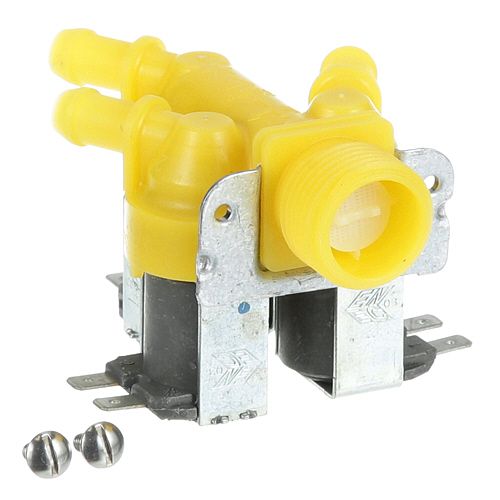
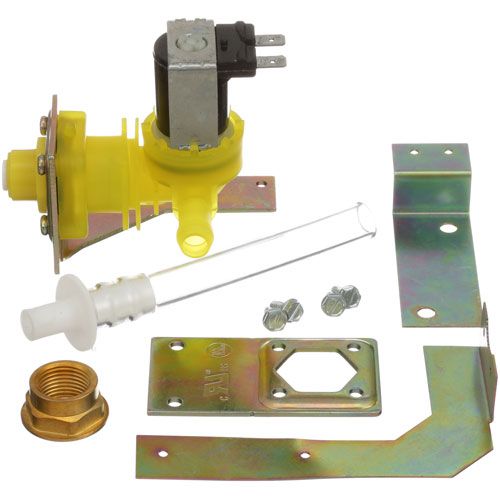
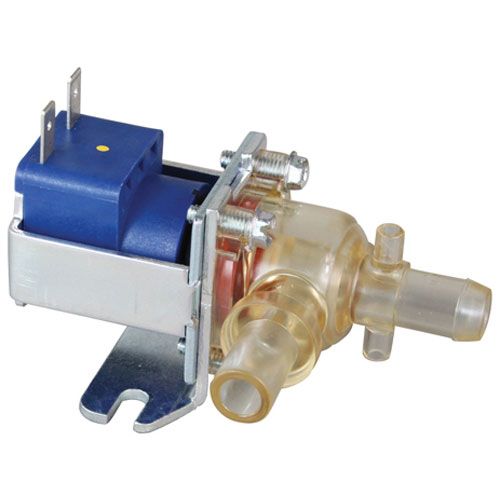
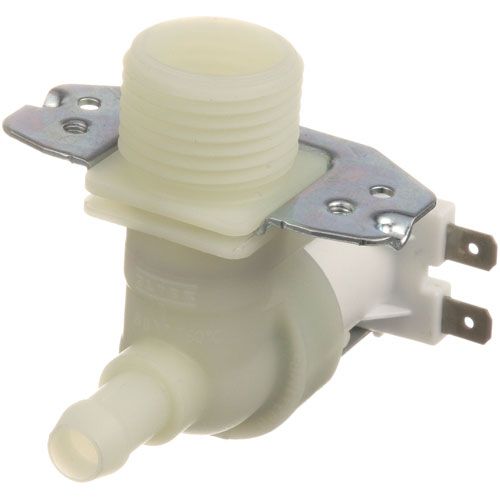
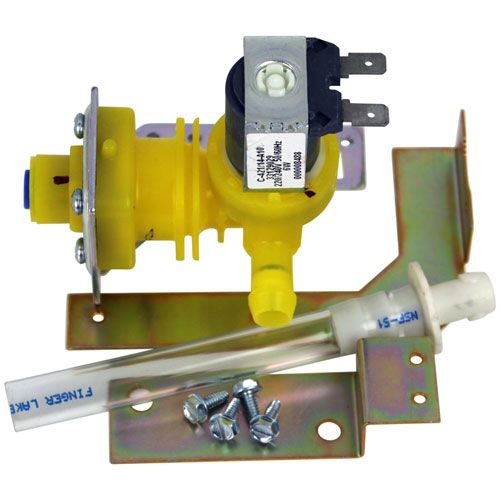
The water inlet valve for dishwasher models regulates how much water enters the machine during each wash cycle. It typically sits at the base of the dishwasher and opens or closes based on electrical signals from the control board. The valve includes a screen, an internal diaphragm, and a dishwasher solenoid valve that activates water flow.
When functioning properly, the inlet valve ensures:
-
Correct water levels
-
Steady water pressure
-
Clean wash cycles
-
Proper rinsing and sanitizing
If the inlet valve becomes clogged, worn, or electrically damaged, the dishwasher may not receive enough water—or any water at all. For food-service operations, this can mean delays, sanitation issues, and costly downtime. That’s why timely diagnosis and commercial dishwasher repair is essential.
Looking to repair your commercial dishwasher with reliable, high-quality parts? PartsFe CA offers premium-grade components, including water inlet valves, solenoids, spray arms, gaskets, and other essential replacement parts from trusted commercial brands.
Symptoms of a Failing Commercial Dishwasher Water Inlet Valve
Recognizing early signs of valve failure allows you to schedule timely commercial dishwasher service and prevent greater damage. Below are the most common symptoms associated with a faulty valve:
-
Dishwasher Not Filling With Water: This is the most obvious sign. If the dishwasher begins its cycle but no water enters the tub, the dishwasher water inlet valve may be clogged, stuck, or defective.
-
Low or Inconsistent Water Levels: A partially failing valve may allow some water to enter, but not enough for proper washing. This results in poor cleaning quality.
-
Water Leaks Under the Machine: A cracked valve housing, loose fittings, or internal damage can cause leaks near the bottom front of the dishwasher.
-
Strange Noises: Hissing, buzzing, clicking, or humming from the valve area often indicates solenoid problems or pressure restrictions.
-
Dishwasher Running Too Long: If the machine continually tries to fill due to low water levels, the cycle time will increase significantly.
-
Dishes Coming Out Dirty: Inadequate water flow prevents detergent from dissolving fully and stops pressure jets from working effectively.
If you notice any of these symptoms during commercial dishwasher troubleshooting, it’s time to inspect and consider dishwasher water valve replacement.
Tools You Need Before Replacing the Water Inlet Valve
Before attempting dishwasher inlet valve replacement, gather the proper tools to ensure a smooth and safe repair. You will need:
-
Screwdrivers (Phillips and flat-head)
-
Pliers
-
Adjustable wrench
-
Replacement dishwasher water inlet valve
-
Towels or a small pan
-
Multimeter
-
Thread seal tape (Teflon tape)
-
Gloves
Having these items on hand ensures that your commercial dishwasher repair process goes efficiently without interruptions.
How to Replace a Commercial Dishwasher Water Inlet Valve
Replacing the water inlet valve for dishwasher machines is straightforward if you follow a clear sequence. Below is a step-by-step guide you can use regardless of brand or model.
Step 1: Turn Off Power and Water Supply
Always start by cutting the power supply. Unplug the machine or flip the circuit breaker to avoid electrical hazards.
Next, turn off the dishwasher’s water supply valve to prevent accidental flooding.
Step 2: Access the Inlet Valve
Remove the lower front access panel or kickplate. Most commercial dishwashers position the inlet valve near the bottom front corner, often on the left side.
Refer to your machine’s manual if unsure.
Step 3: Disconnect the Water Inlet Hose
Use pliers or a wrench to loosen the hose clamp or compression fitting. Place towels or a small pan underneath—the hose will likely release residual water.
Step 4: Disconnect Wires From the Solenoid
Take note of wire placement or snap a photo for reference. Gently remove the electrical connectors from the dishwasher solenoid valve.
Step 5: Remove the Faulty Valve
Unscrew or unbolt the inlet valve from its mounting bracket. Carefully slide it out, ensuring no damage occurs to surrounding parts.
Step 6: Install the New Dishwasher Water Inlet Valve
Position the new valve in the exact spot as the old one. Reconnect mounting screws or bolts securely to avoid vibration issues.
Step 7: Reattach Hose and Electrical Connections
Reconnect the water hose using Teflon tape if needed for leak prevention. Reattach the electrical connectors to the solenoid terminals.
Step 8: Test for Leaks
Before closing the access panel, slowly turn the water supply back on. Check the hose fitting and valve seams for dripping or spraying.
Step 9: Restore Power and Run a Test Cycle
Turn the dishwasher back on and run a short test cycle. Check that it fills properly, listen for unusual sounds, and inspect for leaks. If all looks good, reattach the lower access panel.
This completes your dishwasher water inlet valve replacement and restores your machine’s water flow and cleaning power.
Explore how to replace a dishwasher impeller with clear, step-by-step instructions, essential safety precautions, and tips to ensure smooth performance.
Common Issues During Inlet Valve Replacement and How to Fix Them
Even with careful installation, problems can arise. Here’s how to troubleshoot them effectively:
|
Issue |
Possible Causes |
How to Fix It |
|
Dishwasher still not filling with water |
Water supply valve not fully open Kinked or blocked hose Faulty float switch Incorrectly seated valve screen Control board failure |
Ensure water supply valve is fully open Straighten or clear hose Reseat the valve screen properly Inspect control board if all other components work |
|
Persistent water leaks |
Loose hose clamp Missing or insufficient sealing tape Defective new valve housing |
Tighten hose clamps Apply or reinstall thread seal tape Inspect valve housing and replace if defective |
|
Strange noises after replacement |
Valve misalignment Water pressure too high Defective solenoid in replacement valve |
Realign valve properly Regulate water pressure if necessary Replace faulty solenoid or valve |
|
Dishwasher overfilling |
Stuck solenoid Faulty float switch Miswired terminals |
Replace or repair solenoid Test and replace float switch Check wiring using reference photo |
|
Electrical issues (no filling at all) |
Faulty inlet valve (no electrical continuity) |
Test valve with a multimeter Replace valve if continuity is not present |
These tips help streamline your commercial dishwasher troubleshooting and ensure the replacement is successful.
Maintenance Tips to Extend the Life of the Water Inlet Valve
Your dishwasher’s inlet valve works constantly during daily operation. Proper maintenance helps extend its lifespan and prevents costly downtime.
-
Clean the Valve Screen Regularly: Mineral buildup is one of the top causes of valve clogging. Monthly cleaning helps maintain proper flow.
-
Inspect Hoses for Wear: Cracked, swollen, or kinked hoses put strain on the valve and reduce efficiency.
-
Test the Solenoid Annually: A simple multimeter test during scheduled maintenance identifies early electrical failures.
-
Maintain Proper Water Pressure: Excessive water pressure can damage internal valve components. Use a regulator if necessary.
-
Use Filtration Systems: Hard water accelerates mineral buildup inside valves. Installing a filtration system dramatically extends the lifespan of all internal dishwasher parts.
-
Schedule Regular Commercial Dishwasher Service: Technicians can spot hidden problems before they become expensive failures.
With proper care, you can delay the need for future dishwasher water valve replacement and keep your machine operating at peak performance.
Explore essential maintenance tips for your commercial dishwasher to keep it running efficiently, reduce breakdowns, and extend its service life.
Conclusion: Restore Peak Efficiency With Proper Inlet Valve Replacement
A fully functioning dishwasher water inlet valve is essential for consistent water flow, proper pressure, and clean results in any commercial kitchen. When the valve begins to fail, symptoms like the dishwasher not filling with water, leaking, low pressure, or inconsistent wash cycles quickly disrupt operations.
Key Takeaways:
-
Diagnosing and replacing a water inlet valve is manageable with the proper tools and instructions.
-
Early repair or professional commercial dishwasher service helps prevent further damage.
-
Regular inspections and cleaning improve the long-term performance of the inlet valve.
-
Routine maintenance extends the life of the dishwasher and ensures consistent operational efficiency.
FAQs
How long does a commercial dishwasher inlet valve last?
A commercial dishwasher inlet valve typically lasts 5–8 years, depending on water quality, usage frequency, and maintenance.
Can I use universal valves?
Universal valves may work in some cases, but it's always best to use a model-specific inlet valve to ensure proper fit, performance, and compatibility.
Why does my dishwasher fill too slowly?
Slow filling is usually caused by a clogged valve screen, low water pressure, or mineral buildup restricting water flow.
How do I know if the valve is clogged or faulty?
If your dishwasher fills inconsistently, makes unusual noises, or shows low water levels, the valve may be clogged; if it shows no continuity on a multimeter, it is faulty and needs replacement.