Is your APW Wyott griddle struggling to maintain the right cooking temperature? The APW Wyott AS-2000100 thermostat plays a key role in controlling heat on compatible commercial griddles. It senses the temperature of the griddle plate and regulates the heating system to help maintain the selected temperature. Accurate temperature control supports consistent cooking results in restaurants, cafeterias, hotels, and other foodservice kitchens.
A faulty thermostat can lead to common APW Wyott griddle...
 Read morePosted: September 01, 2026
 Restaurants in 2026 are operating in an increasingly competitive environment where controlling costs, retaining employees, maintaining equipment, and meeting customer expectations are essential for long-term success. Food and labor expenses continue to put pressure on profit margins, while supply chain uncertainty and changing dining habits require restaurants to remain flexible. At the same time, technology and modern restaurant equipment are creating new opportunities to improve efficiency. Digital...Read morePosted: August 25, 2026
 Is your commercial deep fryer producing inconsistent results, filtering oil slowly, or leaving food debris behind? A clogged, saturated, or damaged commercial deep fryer filter can allow contaminants to circulate through the oil, reduce filtration efficiency, and contribute to poor oil quality and inconsistent frying performance. Regular cooking oil filtration helps remove food particles, carbonized debris, and other contaminants while supporting better oil performance and efficient fryer operation...Read morePosted: August 25, 2026
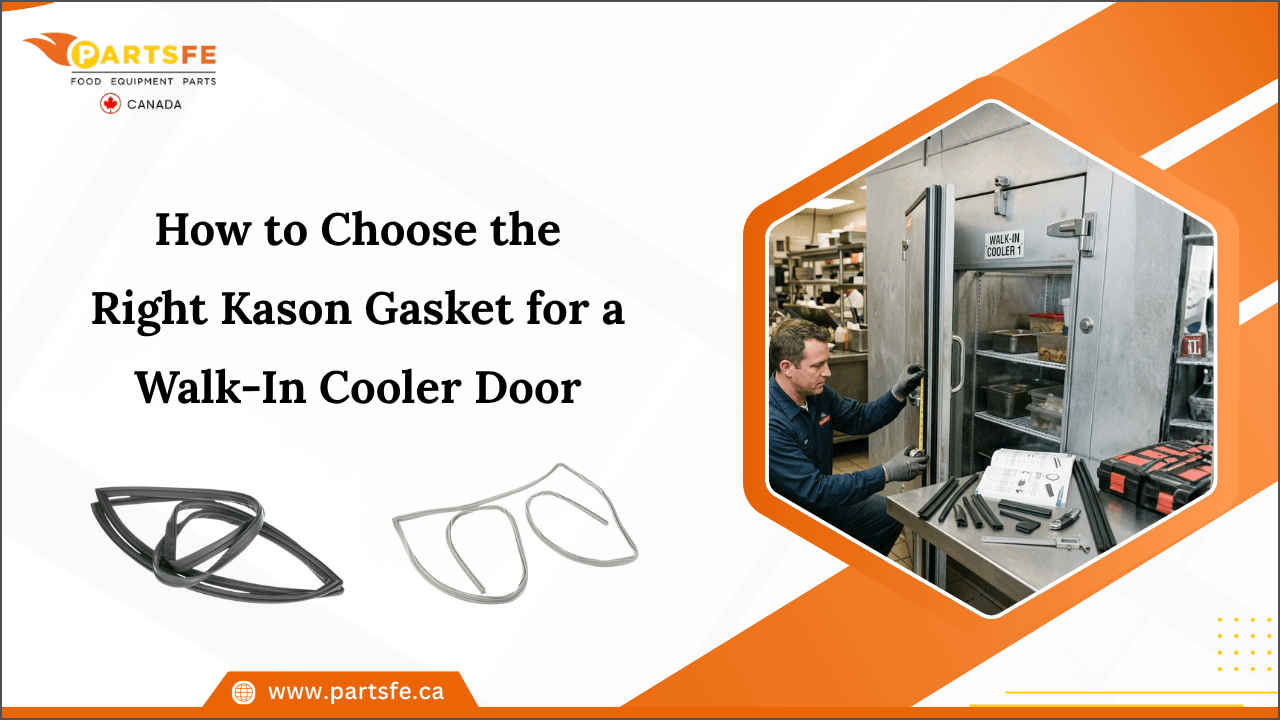 Is your walk-in cooler door not sealing properly? A worn, damaged, or incorrectly sized Kason gasket can allow warm air and moisture to enter, making it harder for the cooler to maintain a consistent temperature. Over time, this can contribute to condensation, frost buildup, longer cooling cycles, and increased strain on the refrigeration system. Choosing the right replacement gasket is only part of maintaining a properly sealed walk-in cooler door. Other components, such as the Kason door latch...Read morePosted: August 18, 2026
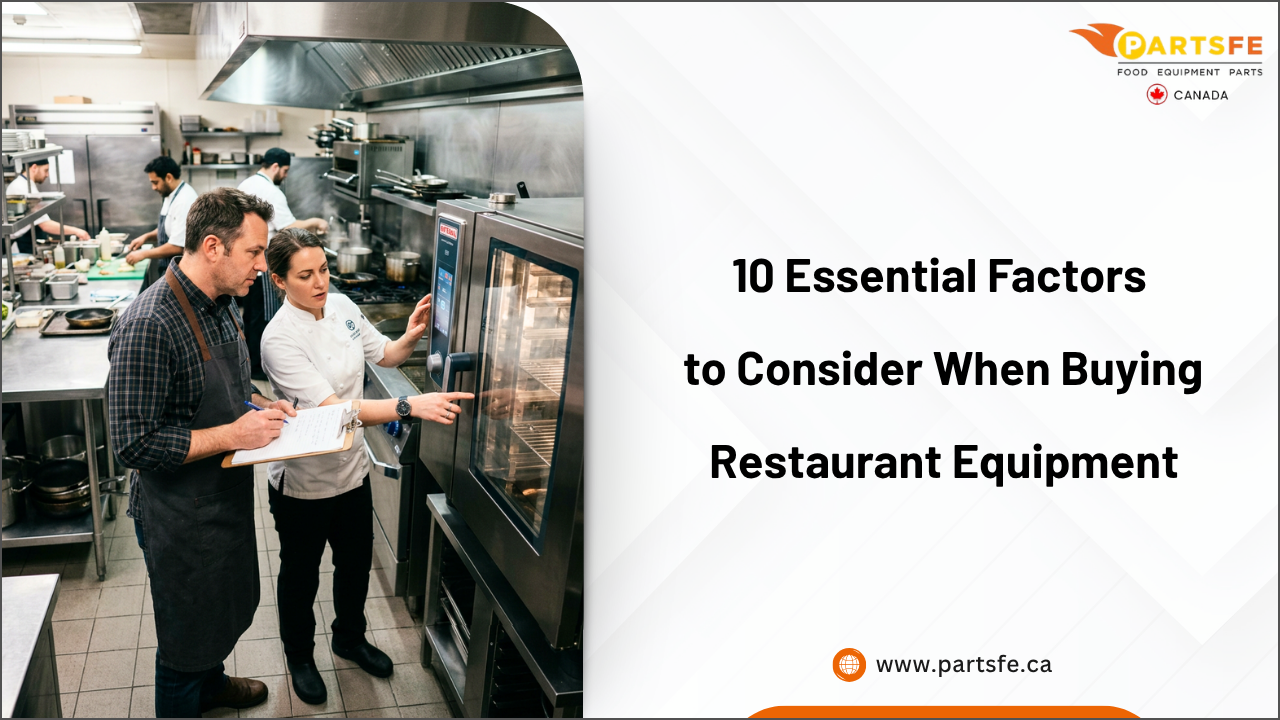 Buying restaurant equipment is a major investment that can directly affect kitchen efficiency, food quality, operating costs, and customer service. From commercial ranges and ovens to refrigeration and dishwashers, every piece of equipment should support your menu and daily production needs. Before making a purchase, restaurant operators need to look beyond the upfront price. Factors such as equipment capacity, energy efficiency, kitchen space, durability, safety, utility requirements, warranty coverage...Read morePosted: August 18, 2026
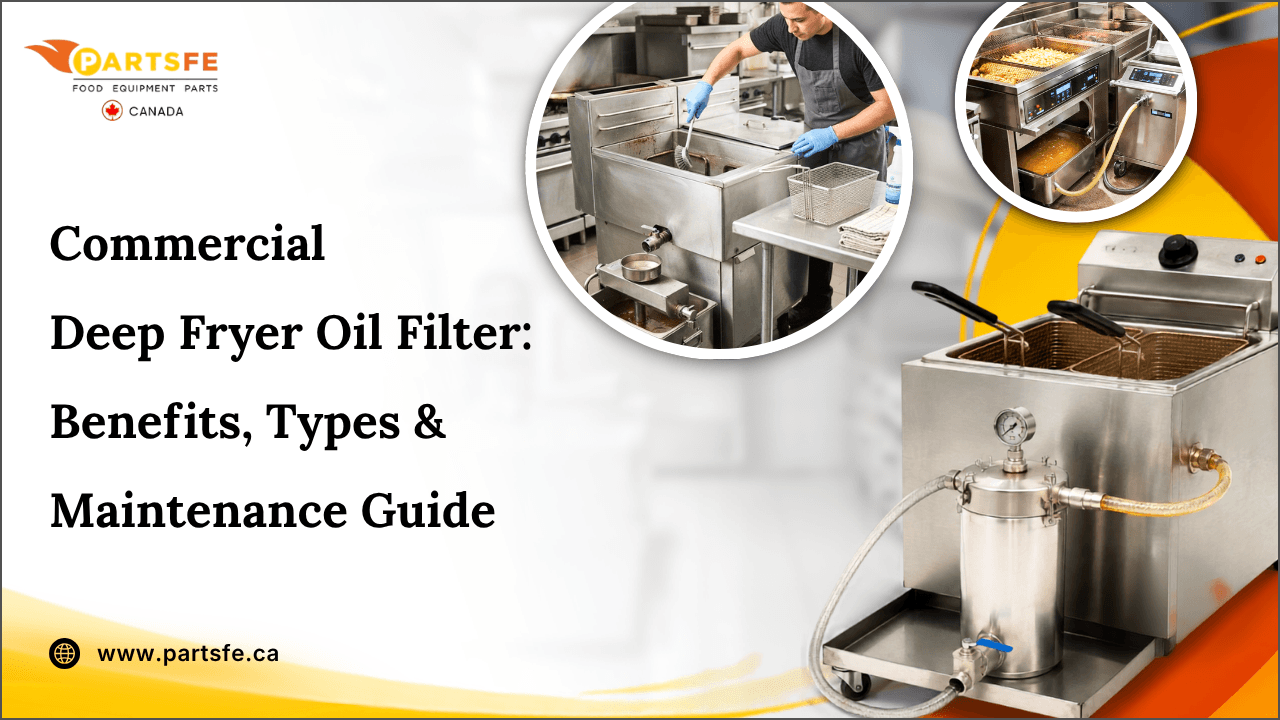 Is your fryer oil becoming dark or collecting food particles after repeated use? A commercial deep fryer oil filter helps remove crumbs, batter, and sediment from cooking oil, supporting cleaner oil and more consistent frying results. Regular filtration can help maintain the quality of fried foods by reducing contaminants that may affect color, texture, and flavor. It also helps minimize residue buildup in the fryer and can support more efficient oil management when combined with proper monitoring...Read morePosted: August 11, 2026
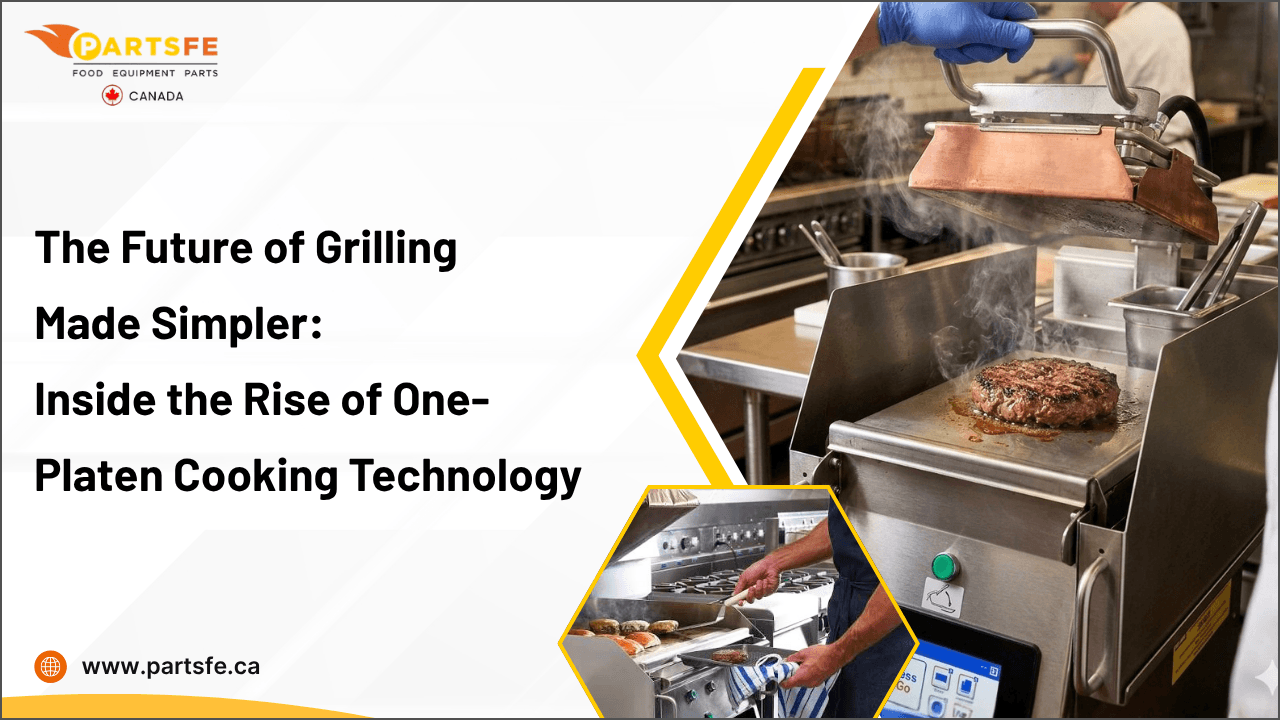 Commercial kitchens are increasingly turning to advanced cooking equipment to improve productivity, consistency, and service speed. Traditional grilling often involves manual flipping and continuous monitoring, which can increase labor demands and lead to variations in cooking results. One-platen cooking technology addresses these challenges by using a heated upper platen and lower cooking surface to apply controlled heat and pressure from both sides. This streamlined approach can shorten cooking...Read morePosted: August 11, 2026
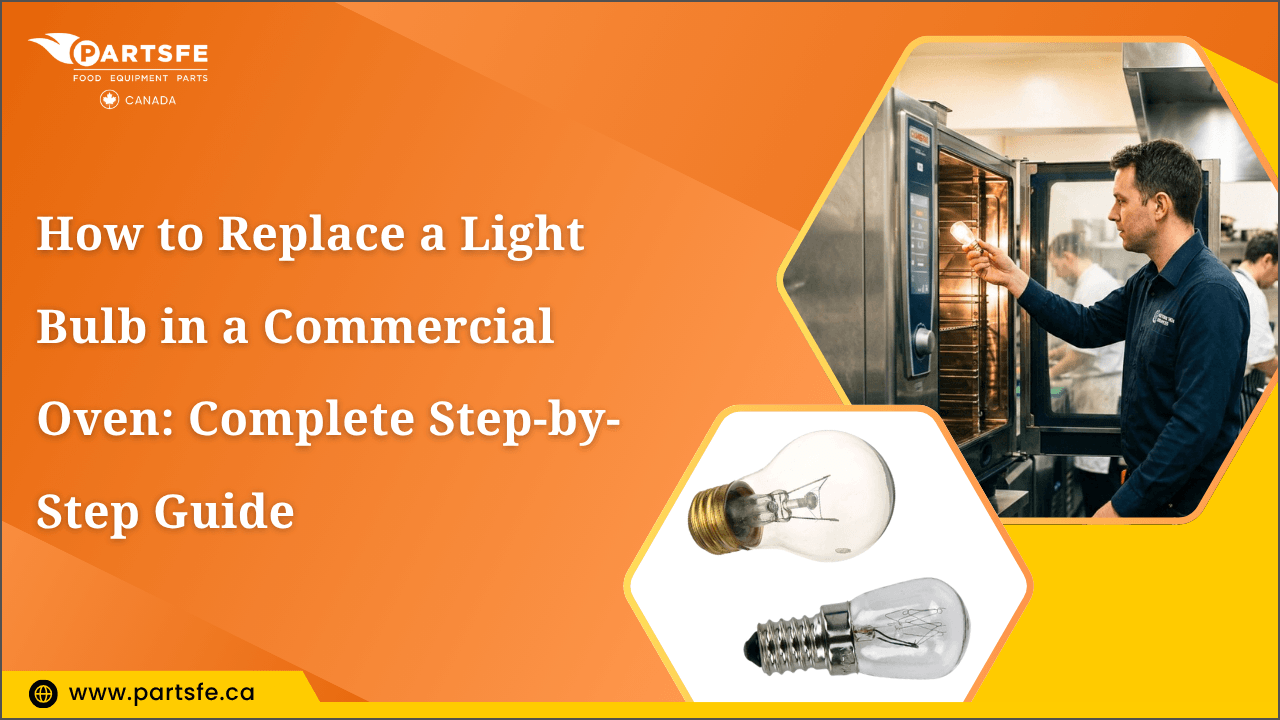 A working oven light helps commercial kitchen staff monitor food without repeatedly opening the oven door and losing heat. When the bulb burns out, becomes dim, or stops working, a proper oven light bulb replacement can restore visibility and support smoother cooking operations. Commercial ovens operate at high temperatures, so replacing the bulb requires more care than changing a standard household light. The replacement must match the oven’s voltage, wattage, base, and temperature requirements...Read morePosted: August 04, 2026
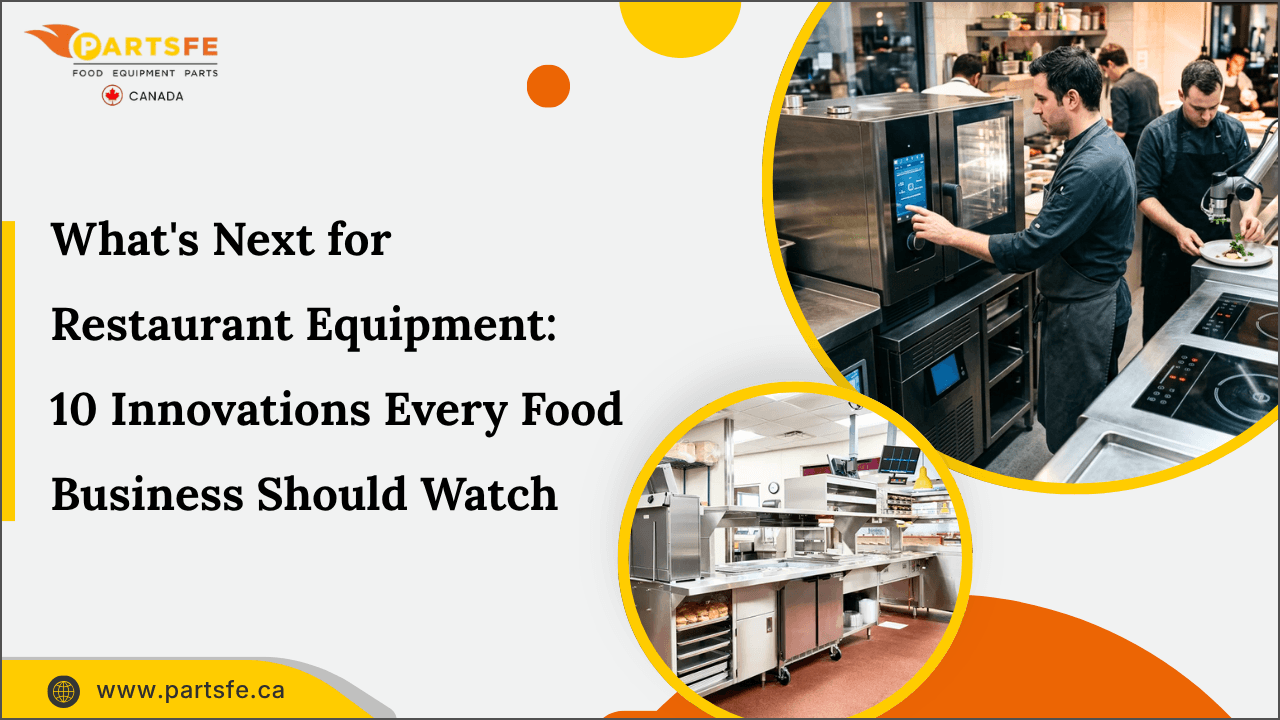 Commercial kitchens are rapidly evolving as automation, smart connectivity, and energy-efficient technologies redefine foodservice operations. With rising labor costs, stricter food safety standards, and changing customer expectations, modern restaurant equipment has become essential for improving efficiency and maintaining profitability. From smart ovens and connected refrigeration to induction cooktops and automated beverage stations, today's equipment delivers greater precision, reduces resource...Read morePosted: August 04, 2026
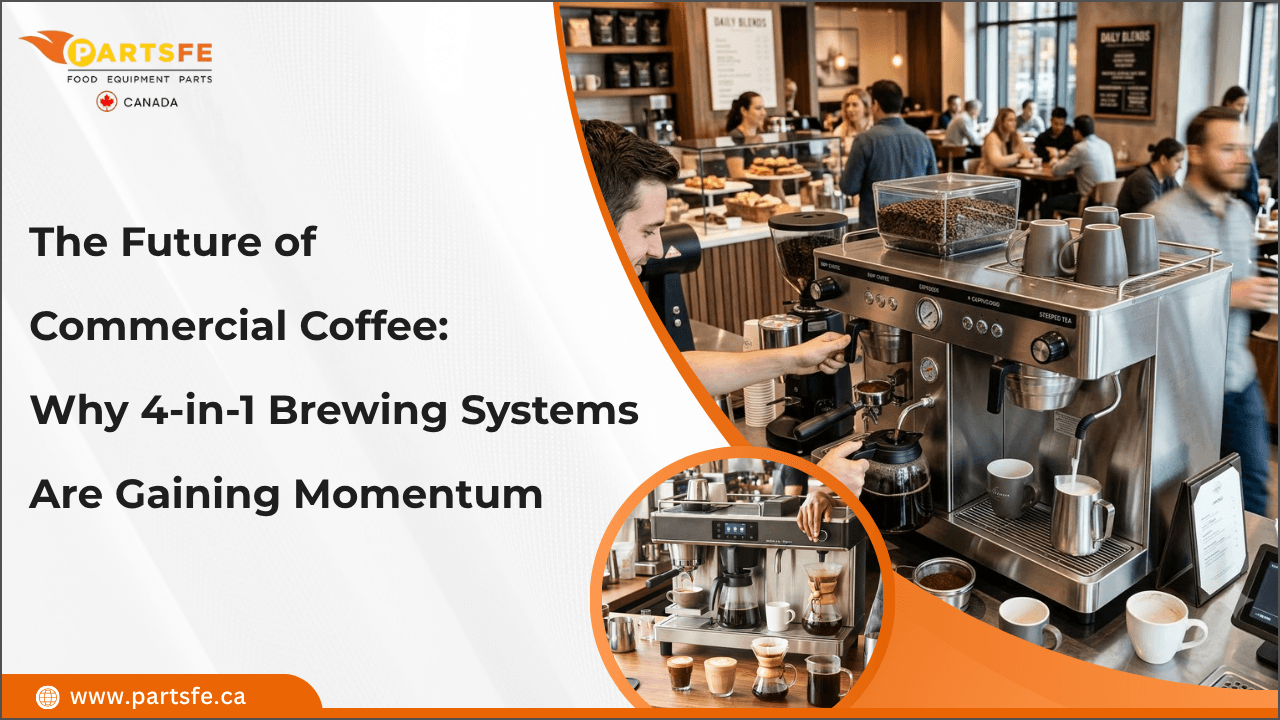 Commercial coffee operations are changing as businesses look for ways to serve high-quality beverages more efficiently. Restaurants, cafés, and hotels need equipment that can keep up with customer demand while reducing operational complexity. A 4-in-1 commercial coffee brewing system addresses these needs by combining multiple beverage functions into a single machine. From espresso and freshly brewed coffee to hot water and specialty drinks, these systems help streamline workflows, save space, and...Read morePosted: July 28, 2026
Recent Posts