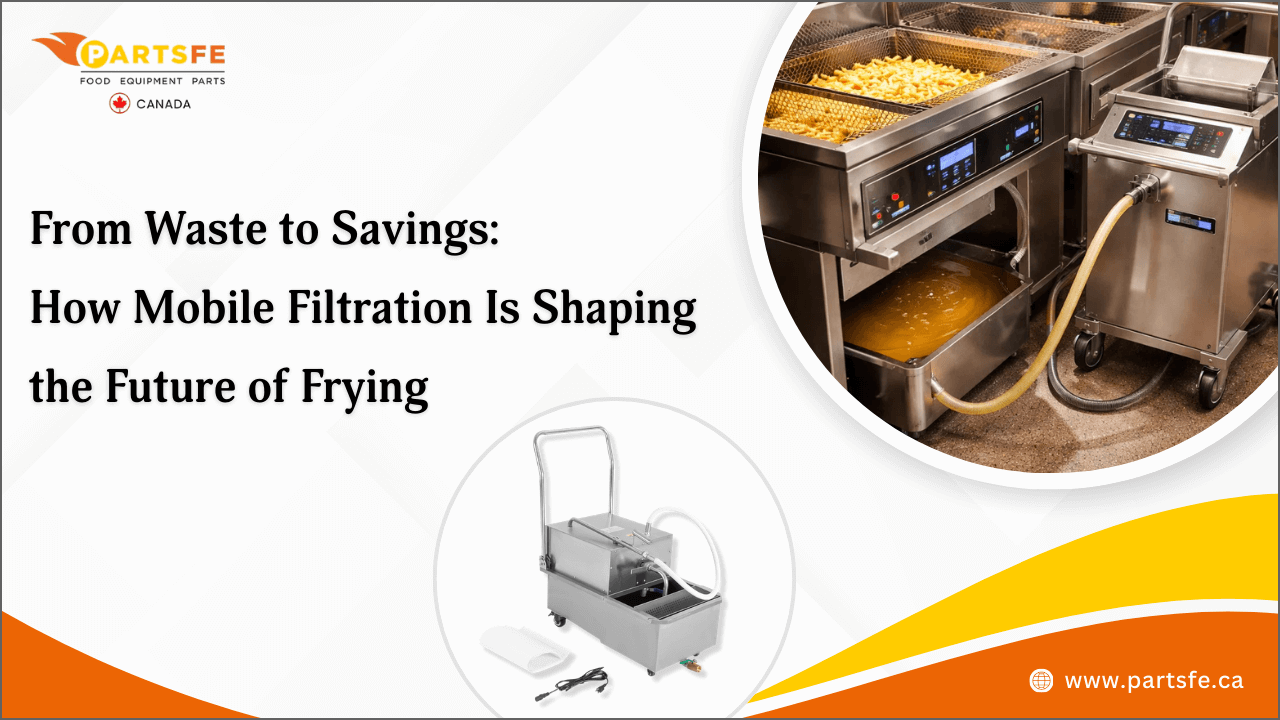
From Waste to Savings: How Mobile Filtration Is Shaping the Future of Frying
In commercial kitchens, cooking oil is often treated as disposable, but it’s actually a valuable operational asset. Mobile oil filtration is changing how restaurants manage frying by turning waste into measurable savings. Portable systems can extend oil life by 30% to 50%, reducing costs while maintaining consistent food quality. Beyond financial benefits, mobile filtration improves workplace safety and supports sustainability through smarter oil management. With advanced filtration technology and real-time monitoring, modern frying operations are becoming cleaner, safer, and more efficient.
How Mobile Oil Filtration Systems Work in Commercial Kitchens
Mobile oil filtration systems are portable, self-contained units designed to clean and restore used frying oil directly at the point of operation. Unlike built-in fryer filtration, these units can service multiple fryers across the kitchen, improving flexibility and efficiency.
1. Oil Transfer and Pumping: The process begins by safely draining hot oil from the fryer into the mobile filtration unit. An integrated high-temperature pump circulates the oil through the system. Most units are constructed from heavy-gauge stainless steel and rated for commercial thermal loads.
2. Multi-Stage Filtration: Oil passes through layered filter media—typically including:
-
Coarse Pre-filtration: A metal crumb tray or mesh screen catches large food particles, breading, and debris.
-
Micro-Filtration: The oil is forced through specialized filter paper or carbon pads that trap microscopic carbon, silt, and impurities as small as 5 microns.
-
Chemical Polishing: Many systems use filter powder (like magnesium silicate) to physically "scrub" the oil, removing soluble impurities like free fatty acids (FFAs) and odours.
This staged approach removes carbon buildup, suspended solids, and degradation byproducts that accelerate oil breakdown.
3. Oil Polishing and Return: An integrated electric pump (typically 300W–550W) pushes the filtered oil back into the fryer. During this process, staff use a return hose or wand to rinse the fryer vat with clean, hot oil, flushing remaining sediment toward the drain before fully refilling. This ensures a cleaner vat and more consistent frying performance.
4. Optional Smart Monitoring: Modern systems may include TPM or dielectric oil sensors, digital temperature controls, and automated filtration cycles. These features allow operators to filter oil based on its actual condition rather than guesswork, preventing premature disposal and improving cost efficiency.
5. Operational Impact: By removing contaminants early, mobile filtration slows oil degradation and extends oil life by 30–50%. This leads to better food consistency, lower oil costs, and reduced waste—turning oil management into a proactive cost-control strategy.
How to Reduce Frying Oil Waste and Cut Costs in Your Kitchen
Frying oil is one of the highest recurring consumable costs in commercial kitchens. Without proper management, operators discard oil prematurely due to contamination, carbon buildup, or inconsistent filtration. Reducing waste requires a structured oil management strategy—not guesswork.
1. Implement Scheduled Filtration: Filtering oil daily (or multiple times per day in high-volume operations) removes food particles before they carbonize. Carbon accelerates oil breakdown, darkens colour, and transfers off-flavours. Consistent filtration alone can extend oil life by 30% or more.
2. Monitor Oil Quality with Objective Testing: Relying on visual inspection is unreliable. Use TPM (Total Polar Materials) meters or dielectric oil testers to measure degradation levels accurately. Filtering or replacing oil based on data prevents premature disposal while protecting food quality.
3. Maintain Proper Frying Temperatures: Excess heat accelerates oxidation and polymerization. Keep fryers calibrated and avoid exceeding recommended temperature ranges (typically 325°F–375°F / 163°C–190°C). Stable heat preserves oil integrity and improves energy efficiency.
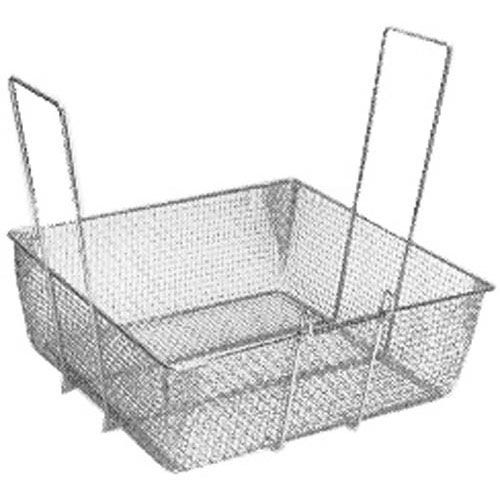
4. Control Food Debris and Moisture: Properly managing food debris and moisture is essential for extending oil life. Shake off excess breading before frying, avoid overloading baskets, remove loose crumbs regularly, and ensure frozen products are not excessively iced. Excess particles and moisture accelerate oil breakdown, leading to faster degradation and higher replacement costs.
5. Use Mobile Oil Filtration Systems: Portable filtration units clean oil more thoroughly than basic built-in systems and can service multiple fryers. By removing fine particulates and degradation compounds, they reduce total oil consumption and replacement frequency.
6. Train Staff on Oil Handling Procedures: Operational discipline plays a critical role in reducing oil waste. Staff should be trained on proper filtration intervals, safe oil transfer techniques, recognizing signs of oil degradation, and the correct storage of unused oil. Clear standard operating procedures ensure consistency, minimize errors, and prevent unnecessary oil loss caused by improper handling.
Check out from oil to air: The innovative shift to hot air fryers in commercial restaurants, which highlights how air fryers reduce oil use and improve kitchen efficiency.
The Benefits of Mobile Oil Filtration vs. Traditional Methods
Oil management affects food quality, safety, and operating costs in commercial kitchens. Traditional filtration methods often leave fine contaminants behind, causing faster oil breakdown.
Mobile oil filtration systems provide deeper cleaning through portable, multi-stage filtration—improving efficiency and reducing costs. The table below compares the key differences.
|
Factor |
Traditional Methods (Built-In / Manual Filtration) |
Mobile Oil Filtration Systems |
|
Filtration Efficiency |
Basic filter paper and gravity-based systems often leave fine carbon particles behind. |
Multi-stage filtration with powered pumps removes both large debris and microscopic contaminants. |
|
Oil Lifespan |
Shorter oil life due to incomplete contaminant removal. |
Extends oil life by 30%–50% through deeper cleaning and reduced oxidation. |
|
Operational Flexibility |
Fixed to individual fryers; each unit must be filtered separately. |
One portable unit can service multiple fryers, improving workflow efficiency. |
|
Workplace Safety |
Higher risk of burns and spills due to manual oil handling. |
Enclosed pumping systems reduce direct contact with hot oil and improve safety. |
|
Cost Efficiency & ROI |
Lower upfront cost but higher long-term oil replacement expenses. |
Higher initial investment but faster ROI due to reduced oil consumption and waste. |
|
Food Quality Consistency |
Oil degrades faster, impacting taste and product consistency. |
Cleaner oil maintains consistent flavour, colour, and frying performance. |
For high-volume operations, mobile oil filtration is not just a maintenance upgrade—it’s a strategic investment in cost control, safety, and long-term operational efficiency.
How Much Can Your Restaurant Save with a Mobile Oil Filter?
Implementing a mobile oil filtration system can reduce annual frying oil costs by 30% to 50%. For a typical quick-service restaurant spending $15,000 to $30,000 per year on cooking oil, that equates to potential savings of $5,000 to $15,000 annually.
Direct Cost Savings Breakdown: Real-world performance data from industry manufacturers such as VITO and MirOil show that savings come from three primary areas:
-
Reduced Oil Purchasing: Extending oil life means buying fewer 5-gallon containers. At approximately $40–$60 per jug, saving just 10 jugs per month can return $400–$600 to your monthly budget.
-
Lower Disposal Fees: By cutting waste oil volume by 40% to 75%, restaurants significantly reduce environmental recycling and hauling costs.
-
Labour Efficiency: Automated mobile filtration units typically complete a cycle in 4.5 to 8 minutes, saving up to 30 minutes of manual labour per day, which compounds into substantial annual labour savings.
Return on Investment (ROI): Most professional kitchens achieve full amortization within 3 to 9 months, depending on fryer volume and usage intensity.
-
Medium Operations: A restaurant using 80 litres of oil per week at €2 per litre can save approximately €4,160 ($4,400) annually with a 50% reduction in oil changes.
-
High-Volume Chains: Larger operations with multiple fryers can exceed €6,400 ($6,800) in annual savings by reducing oil changes from twice weekly to once weekly.
In high-output environments, mobile oil filtration quickly transitions from a maintenance tool to a measurable profit driver.
Summary: Shaping a Smarter, More Profitable Frying Operation
Mobile oil filtration is rapidly becoming the operational standard for modern Canadian kitchens. Treating cooking oil as a managed asset rather than a disposable expense enables operators to reduce purchasing costs by 35% to 50% while improving food consistency and kitchen efficiency.
With systems such as VITO or Omcan mobile filtration units, kitchens gain measurable control over oil life, labour efficiency, and workplace safety. The shift is not simply procedural—it strengthens profitability, reduces operational risk, and supports environmental responsibility.
Key Takeaways
-
Accelerated ROI and margin protection reduce oil and labour costs, with most kitchens recovering their investment within 4 to 10 months.
-
Improved workplace safety limits hazardous hot-oil handling, lowering burn risks and potential WCB incidents.
-
Stronger sustainability outcomes support cleaner waste oil recycling and reduced environmental impact.
-
Data-driven oil management through microfiltration and smart monitoring prevents premature disposal and extends oil life.
-
Operational stability and predictable cost control minimize emergency oil changes and protect long-term profitability.
For Canadian foodservice operators seeking efficiency and resilience, mobile oil filtration now defines the future of modern frying operations.
Looking for dependable commercial kitchen equipment parts? Shop at PartsFe CA for high-quality OEM and compatible replacement parts for fryers, ovens, refrigeration units, and more. We help restaurants minimize downtime, reduce repair costs, and maintain peak performance. With competitive pricing, fast Canada-wide shipping, and a broad inventory of trusted brands, PartsFe CA keeps your kitchen running efficiently and profitably.
Reference:
https://www.energystar.gov/products/commercial_food_service_equipment
https://metrovancouver.org/services/liquid-waste/what-to-do-with-fats-oils-and-grease
FAQs
Why must cooking equipment be filtered with fresh oil?
Filtering with clean oil removes carbon buildup and sediment, improving heat transfer and food quality and preventing premature oil degradation.
How is filtration used in the food industry?
Filtration removes food particles, moisture, and breakdown compounds from frying oil to extend its life, maintain product consistency, and reduce operational costs.
Which oil is better for cooking, filtered or refined?
Refined oil is better for high-heat cooking due to its higher smoke point, while filtered oil refers to cleaned used oil that has had impurities removed.
What is the difference between filtered and unfiltered oil?
Filtered oil has had contaminants and food debris removed, whereas unfiltered oil contains suspended particles that accelerate breakdown and affect flavour.
|
Disclaimer: The information provided in this blog is for general educational and informational purposes only. Cost savings, oil lifespan extension, and performance improvements mentioned are estimates and may vary depending on kitchen volume, oil type, equipment condition, and operational practices. |