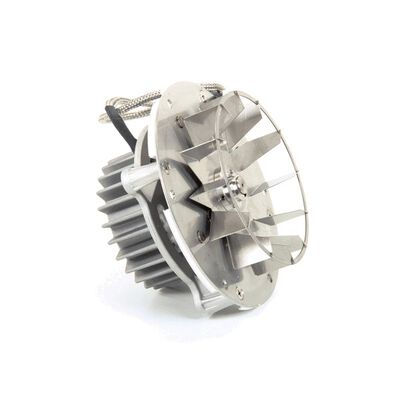
How to Clean a TurboChef Oven: Daily, Weekly, and Deep Cleaning Guide
Keeping your TurboChef oven clean is essential for maintaining speed, efficiency, and food quality in a busy kitchen. Regular cleaning not only prevents grease buildup and unpleasant odors but also helps ensure consistent cooking performance and extends the life of the equipment. Whether you operate in a fast-paced restaurant or rely on the oven for high-volume food preparation, a proper cleaning routine makes a big difference. This guide explains how to clean a TurboChef oven with a simple daily, weekly, and deep-cleaning schedule. By following a proper cleaning checklist and using the right cleaner, you can maintain consistent performance and protect essential TurboChef oven parts.
Why Regular TurboChef Oven Cleaning Is Critical for Performance and Food Safety
Maintaining a strict cleaning schedule for your TurboChef oven is the single most important factor in ensuring both the longevity of your equipment and the safety of your customers.
Maximizing Oven Performance and Efficiency: A clean TurboChef operates as a precision instrument, but neglected maintenance quickly degrades its capabilities:
-
Optimal Airflow: TurboChef ovens rely on high-speed air impingement technology. Grease and carbon buildup on jet plates, air filters, and other oven parts block airflow, leading to slower cook times and uneven results.
-
Energy Efficiency: When interior surfaces are coated in grime, they lose their ability to reflect heat properly. This forces the oven to work harder and consume more energy to maintain the required 500°F operating temperature.
-
Preventing Breakdowns: Routine cleaning using the correct Turbochef oven cleaner is essential for preventative maintenance. Removing debris prevents it from entering sensitive internal components like blower motors, sensors, and other critical oven parts, reducing the risk of costly error codes or equipment failure.
Ensuring Food Safety and Quality: Cleanliness directly impacts the health of your guests and the integrity of your menu:
-
Eliminating Fire Hazards: Accumulated grease is highly flammable. In the high-heat environment of a commercial kitchen, this buildup is a leading cause of appliance fires.
-
Preventing Cross-Contamination: Old food particles and carbonized grease can harbor bacteria or transfer unwanted flavors between different dishes.
-
Flavor Integrity: Burnt residue produces smoke and unpleasant odors that can permeate fresh food, ruining the taste of your signature dishes.
-
Regulatory Compliance: Health inspectors and standards like HACCP require daily cleaning of food-contact surfaces to prevent foodborne illness outbreaks.
Need reliable commercial kitchen & restaurant equipment parts in Canada? Shop now at PartsFe CA for high-quality OEM and compatible replacement parts for ovens, fryers, refrigeration units, and more. We supply durable, performance-tested components that help restaurants and foodservice operations run efficiently. Enjoy competitive pricing, dependable inventory, and fast shipping across Canada to minimize downtime and keep your equipment performing at its best.
Daily TurboChef Oven Cleaning Checklist for Busy Commercial Kitchens
To maintain high performance and safety, follow this TurboChef oven cleaning checklist at the end of every shift. Using approved cleaner products is essential to protect the warranty and prevent damage to sensitive oven parts.
Preparation & Safety: Ensure the oven is powered off and fully cooled, and that proper safety precautions are taken before starting the cleaning process.
-
Cool Down Fully: Power off the oven and leave the door open.
-
Wait for Safety: Do not begin until the screen displays "Oven Off" or "Safe to Clean" (usually about 40–90 minutes).
-
Protective Gear: Wear disposable gloves and protective eyewear before handling cleaning chemicals.
Cleaning Steps: Follow these step-by-step cleaning procedures to remove grease, food residue, and buildup while keeping your TurboChef oven operating efficiently.
1. Remove & Clean Accessories: Take out wire racks, grease filters, and baking stones. Wash them with warm water and TurboChef oven cleaner to remove grease and food residue. Rinse thoroughly and allow all accessories to air dry completely before placing them back inside the oven.
2. Clear Debris: Use a food-safe vacuum or a damp cloth to remove large food particles from the bottom of the cavity.
3. Clean Interior Cavity: Apply TurboChef oven cleaner to a nylon scrub pad rather than spraying it directly into the oven. Scrub the side, top, and bottom walls to remove grease and carbon buildup. For stubborn stains, allow the cleaner to sit for about five minutes before scrubbing again.
Caution: Avoid spraying cleaner into back wall holes, lights, or the door gasket to prevent damage to internal oven parts.
4. Wipe & Dry: Thoroughly wipe the interior with a damp cloth to remove all cleaner residue, then dry with a clean towel.
5. Apply Oven Guard: Spray TurboChef oven guard onto a clean towel and wipe all interior walls to prevent future grease buildup.
6. Reassemble & Finish: Reinstall all components once they are completely dry to ensure proper operation and prevent moisture-related issues. Finally, wipe the oven’s exterior surfaces and touchscreen with a clean, damp cloth to remove fingerprints, grease, and residue.
Weekly TurboChef Oven Maintenance Steps to Prevent Grease and Carbon Buildup
Weekly oven maintenance goes beyond surface cleaning to address areas where grease and carbon often accumulate. Following guidance from the TurboChef oven manual helps prevent buildup that can damage internal parts.
Step 1: Deep Clean the Air Filters: Remove the filters located on the back or bottom of the unit, depending on the model:
-
Deep Rinse: Use hot water to flush out trapped particles. Do not use high-pressure water jets, as they can damage the delicate mesh.
-
Inspection: Check for tears or large gaps in the mesh. If the filter is deteriorated, it must be replaced to protect the oven's internal catalytic converter.
Step 2: Remove and Scrub the Jet Plates: Jet plates direct high-speed airflow and are prone to carbon buildup. Loosen the thumbscrews to remove the lower jet plate. Spray Turbochef oven cleaner and allow it to sit for 5–10 minutes before scrubbing with a non-abrasive nylon pad.
Step 3: Inspect Door Seals and Stirrers: Check the door gasket for cracks or food debris. Never scrub gaskets with abrasive tools because this can damage sealing components and affect oven performance.
Step 4: Reapply Protective Oven Guard: After cleaning, apply TurboChef oven guard to interior surfaces. This protective barrier prevents grease from bonding to stainless steel surfaces and simplifies the next cleaning cycle.
Find out the most common oven parts and accessories you need in your kitchen for quick fixes in the video below :
Deep Cleaning a TurboChef Oven: Step-by-Step Process
A deep clean becomes necessary when daily and weekly routines can no longer remove carbonized grease that affects airflow and heat transfer. Following instructions from the TurboChef oven manual and using approved cleaners protects sensitive oven parts.
Phase 1: Preparation and Safety: Turn the oven off and allow it to cool with the door slightly open. Do not begin cleaning until the display reads “Oven Off” or “Safe to Clean" (typically under 150°F / 65°C). Once cooled, unplug the oven before accessing the rear panels. Wear gloves and protective eyewear when handling cleaning chemicals.
Phase 2: Internal Component Deep Clean: Remove wire racks, baking stones, jet plates, and grease filters. Spray TurboChef oven cleaner on the jet plates and racks and allow it to sit for 5–10 minutes. Scrub with a nylon pad, rinse, and air dry completely. For Bullet models, gently dry-scrub the baking stone and never immerse it in water, as it may crack during the next heating cycle.
Phase 3: Cavity and Rear Maintenance: Use a food-safe vacuum to remove crumbs from the cavity bottom and behind the lower element. Apply cleaner to a scrub pad and scrub the interior surfaces. Wipe with a damp cloth followed by a dry cloth. Remove the rear air filter and rinse with hot water. If your model includes a catalyst housing, remove the cover and vacuum dust from the blower housing.
Caution: Do not spray chemicals or attempt to clean the accordion-style catalytic converter itself.
Phase 4: Final Reassembly: Apply TurboChef Oven Guard to interior walls except the back wall holes. Reinstall the air filter, jet plates, racks, and other removed components. Finish by wiping the touchscreen and exterior panels.
Check out commercial oven heating element problems: here's how to fix them, highlighting causes and quick fixes for heating issues.
Common TurboChef Oven Cleaning Mistakes to Avoid
Even with the best intentions, improper cleaning techniques can lead to expensive repairs or permanent equipment damage. To protect your investment, ensure your team avoids these common pitfalls:
-
Using Unauthorized Chemicals: Never use caustic oven cleaners, bleach, or ammonia-based products. TurboChef ovens use catalytic converters to eliminate smoke and odors; harsh chemicals can permanently "poison" the catalyst, requiring a costly replacement. Only use TurboChef-approved oven cleaner and guard.
-
Spraying Directly into the Oven: A common mistake is spraying cleaner directly onto the back wall or ceiling. This allows liquid to enter the magnetron, blower motors, or light assemblies, leading to electrical shorts. Always spray the cleaner onto a nylon scrub pad first.
-
Cleaning While the Oven is Too Hot: Applying cleaning chemicals to a surface above 150°F (65°C) causes the cleaner to evaporate instantly, creating hazardous fumes and leaving behind a sticky residue that is harder to remove. Always wait for the "Safe to Clean" message on the display.
-
Using Abrasive Tools: Steel wool, wire brushes, or metal scrapers will scratch the stainless steel interior and damage the door gasket. These scratches create "pockets" where grease and carbon trap even more easily, making future cleaning much more difficult. Stick to non-abrasive nylon pads.
-
Neglecting the Air Filters: If the air filters are not cleaned daily, the oven cannot "breathe." This forces the internal components to overheat, leading to blower motor failure and inconsistent cooking temperatures.
-
Soaking the Baking Stone: Stone hearths are porous. If you soak them in water or chemicals, they will absorb the moisture. When the oven heats back up to 500°F, the trapped moisture turns to steam and can cause the stone to crack or explode. Only dry-scrub or wipe the stone with a damp cloth.
Summary: Keeping Your TurboChef Oven Clean for Maximum Efficiency and Longevity
Maintaining a TurboChef oven is essential for consistent performance in busy commercial kitchens. Regular daily, weekly, and deep cleaning helps preserve rapid cook speed and precision. Removing grease and carbon buildup prevents airflow blockages and protects key components like catalytic converters and magnetrons. Using proper cleaning tools also helps avoid damage, ensuring better food quality, improved energy efficiency, and a longer equipment lifespan.
Key Takeaways
-
Maintain a regular cleaning schedule by performing daily, weekly, and deep cleaning to keep the oven operating efficiently.
-
Prevent grease and carbon buildup by cleaning regularly to keep airflow systems clear and maintain consistent cooking performance.
-
Protect internal components through proper maintenance, which helps safeguard catalytic converters, magnetrons, and other sensitive parts.
-
Use approved cleaners and tools to avoid harsh chemicals or abrasive materials that could damage components or void the warranty.
-
Improve kitchen efficiency by keeping the oven clean, which supports better food quality, stable temperatures, and lower energy consumption.
-
Extend equipment lifespan with routine maintenance that reduces the risk of breakdowns and keeps the oven reliable in busy operations.
FAQs
How do I put my TurboChef oven in self-clean mode?
Most TurboChef ovens do not have a true self-clean mode; instead, they require manual cleaning using approved cleaners and the recommended daily or deep cleaning procedures.
Can you use parchment paper in a TurboChef?
Yes, parchment paper can be used in a TurboChef oven for certain foods, but it should be placed carefully so it does not block airflow from the jet plates.
Can I use tin foil in the TurboChef oven?
Yes, aluminum foil can be used in small amounts, but it should never cover airflow holes or oven surfaces that could disrupt the air impingement cooking system.
|
Disclaimer: The information provided in this blog is for general educational and informational purposes only. Cleaning procedures and maintenance recommendations for TurboChef ovens may vary depending on the specific model and manufacturer guidelines. |