9 Common Commercial Dishwasher Discharge Hose Problems and How to Fix Them
Commercial dishwasher discharge hose issues often manifest as leaks, standing water, or foul odors, leading to costly kitchen downtime and floor damage. Addressing these common problems promptly is essential for maintaining a sanitary and efficient operation. From food debris clogs and kinked lines to loose connections and improper positioning, understanding the root causes allows for quick, effective discharge hose fixes using quality dishwasher parts designed for commercial performance. By following a consistent discharge hose maintenance schedule—including weekly filter checks and monthly descaling—you can prevent unexpected failures. Here are nine common discharge hose problems and the practical solutions to keep your system flowing.
What Does a Commercial Dishwasher Discharge Hose Do, and Why Is It Important?
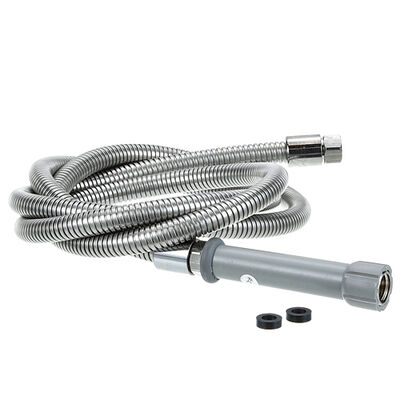
The commercial dishwasher discharge hose's primary function is to safely transport wastewater from the dishwasher to the plumbing or waste disposal system after a cycle. This is crucial for maintaining kitchen hygiene and operational efficiency.
The hose creates a vital dishwasher discharge connection between the internal pump and the kitchen’s drainage system. After a cycle, the pump forces hot, dirty water through the hose to a floor drain or grease interceptor.
Key functions include:
-
Wastewater Transport: Its primary job is to safely move used wash and rinse water—containing food debris, grease, and detergents—from the dishwasher to the designated drain or waste disposal system.
-
Preventing Contamination: When properly installed with a high loop or air gap, the dishwasher discharge hose prevents contaminated sink water or sewage from siphoning back into the clean dishwasher, ensuring hygiene and food safety.
-
Odor Control: With proper installation, the discharge hose allows complete drainage after each cycle, preventing standing water buildup and reducing unpleasant odors in the dishwasher and the surrounding kitchen area.
Importance in a Commercial Setting: In a high-volume kitchen, this hose is foundational to food safety. A faulty hose leads to dishwasher discharge hose issues that cause downtime and health code violations. Furthermore, proper installation ensures hot water is tempered correctly to protect your plumbing from thermal degradation.
Need reliable commercial dishwasher parts fast? Shop now at PartsFe CA for OEM and compatible commercial kitchen equipment parts, including dishwasher discharge hoses, pumps, heating elements, and valves. We supply durable, high-performance components to restaurants and foodservice operations across Canada—helping reduce downtime and keep equipment running efficiently. Count on competitive pricing, reliable inventory, and fast shipping nationwide.
How Improper Drain Setup Impacts Commercial Dishwasher Efficiency
A commercial dishwasher is only as efficient as its drainage system. Even if the machine itself is functioning properly, an improper drain setup can severely reduce performance, increase operational costs, and create hygiene risks in a busy commercial kitchen. The discharge hose plays a critical role in removing wastewater quickly and safely.
When the drain system is incorrectly installed or poorly configured, it directly affects washing results, cycle time, and equipment lifespan.
1. Incorrect Drain Line Slope
If the building’s drain line does not maintain the proper downward slope, wastewater cannot flow out naturally. This causes slow discharge and partial water retention inside the system.
Impact on efficiency:
-
Longer drain times
-
Extended wash cycles
-
Increased pump workload
-
Reduced throughput during peak hours
A properly sloped drain line ensures gravity-assisted flow, improving overall machine performance.
2. Undersized Floor Drain Capacity
In busy commercial kitchens, multiple appliances may discharge into the same floor drain. If the drain capacity is too small for the volume of wastewater, it creates bottlenecks.
Impact on efficiency:
-
Drainage delays
-
Water overflow risks
-
Interrupted wash cycles
-
Reduced kitchen productivity
Ensuring adequate drain sizing supports continuous high-volume operation.
3. Shared Drain Line Overload
Connecting the dishwasher to a drain line shared with sinks, prep stations, or other equipment can overload the system during peak service times.
Impact on efficiency:
-
Sudden drainage slowdowns
-
Inconsistent discharge performance
-
Increased internal pressure on the pump
-
Higher wear on mechanical components
Dedicated drainage lines are often recommended for high-capacity commercial dishwashers.
4. Poor Venting in the Plumbing System
Commercial drainage systems require proper venting to maintain balanced air pressure. Without adequate venting, negative pressure can form in the drain line.
Impact on efficiency:
-
Gurgling sounds during draining
-
Irregular water discharge
-
Slower wastewater evacuation
-
Increased cycle completion time
Proper vent installation ensures smooth, uninterrupted drainage.
5. Excessive Distance to the Main Drain
If the dishwasher is installed too far from the main drainage connection, wastewater must travel a longer distance before exiting the system.
Impact on efficiency:
-
Slower water evacuation
-
Greater strain on the drain pump
-
Higher energy usage
-
Increased long-term maintenance costs
Strategic kitchen layout planning helps minimise unnecessary strain on the dishwasher’s drainage system.
9 Most Common Commercial Dishwasher Discharge Hose Problems and Fixes
Identifying dishwasher discharge hose problems early prevents leaks and standing water. Addressing these concerns promptly is essential for a sanitary operation. Here are the most common problem:
1. Food and Debris Clogs: Large food particles, grease residue, and soap buildup can accumulate inside the discharge hose over time. This restricts wastewater flow and may cause slow draining or complete blockages, leading to water pooling at the bottom of the dishwasher.
Fix: Disconnect and flush with hot water. Use baking soda and vinegar or a flexible drain brush for deeper cleaning.
2. Kinked or Twisted Lines: Sharp bends or twists in the hose restrict proper water flow. This commonly happens after moving the dishwasher for cleaning or due to improper installation in tight spaces. Restricted flow forces the drain pump to work harder, reducing efficiency.
Fix: Manually straighten the hose and ensure it has enough clearance to avoid future bends.
3. Loose or Worn-Out Connections: Constant vibration during wash cycles can gradually loosen hose clamps or fittings. Over time, adapters and connectors may wear out, causing leaks or partial drainage issues.
Fix: Tighten existing hose clamps with a screwdriver or replace them if they are stripped or corroded.
4. Cracks or Holes: High wash temperatures, strong detergents, and daily wear can weaken the hose material. Small cracks or pinholes may develop, leading to leaks behind or underneath the dishwasher.
Fix: If you find leaks, you must replace the dishwasher discharge hose.
5. Improper Drain Hose Positioning: If the hose is positioned too low or lacks a proper “high loop,” wastewater can siphon back into the dishwasher after draining. This reintroduces dirty water into the wash tank and compromises hygiene.
Fix: Install a "high loop" by securing the hose as high as possible under the countertop before it connects to the drain.
6. Clogged Air Gap: The air gap device prevents backflow contamination, but it can become clogged with grease, food debris, or slime. When blocked, water may back up into the sink or dishwasher.
Fix: Remove the air gap cap and clear away trapped debris or slime with a small brush.
7. Suds Lock (Incorrect Detergent): Using non-commercial or excessive detergent creates excessive foam inside the dishwasher. The foam can interfere with proper drainage and create a condition known as “suds lock,” preventing the pump from functioning effectively.
Fix: Stop the cycle, remove suds with a defoamer, and switch to the manufacturer-recommended detergent.
8. Sediment and Scale Buildup: In areas with hard water, mineral deposits gradually accumulate inside the hose. Over time, this scale buildup narrows the internal diameter of the hose, restricting water flow and reducing efficiency.
Fix: Perform regular discharge hose maintenance using a commercial descaler.
9. Backward Check Valve Installation: Some commercial dishwashers include a built-in check valve to prevent backflow. If installed incorrectly in reverse orientation, it will block wastewater from exiting the machine entirely.
Fix: Verify the flow direction arrow on the valve and reinstall the hose in the correct orientation.
Maintenance Checklist
-
Weekly: Check for visible leaks and ensure the drain filter is clear of debris, once a week.
-
Monthly: Inspect hose connections and run a cleaning cycle with a descaler every month.
-
Every 5–7 Years: Proactively replace the discharge hose, even if no leaks are visible, to prevent unforeseen failure for every few years.
Check out dishwasher drain pump issues: common causes & how to fix them, which outlines typical drainage problems, root causes, troubleshooting steps, and effective repair solutions to restore proper dishwasher performance.
When to Repair vs. Replace a Commercial Dishwasher Discharge Hose?
Choosing between repair and replacement depends on the condition of the hose and the severity of the issue. Minor, isolated problems can typically be corrected quickly, while structural damage or repeated failures usually require full replacement to prevent operational downtime.
|
Issue |
When to Repair |
When to Replace |
|
Loose clamps or connection leaks |
If the hose material is intact and the leak is only at the fitting. |
If leaks persist after tightening or fittings are worn out. |
|
Minor grease or food clogs |
If flushing or descaling restores normal drainage. |
If blockages keep returning despite regular cleaning. |
|
Kinked or improperly routed hose |
If straightening and securing a high loop resolves the flow restriction. |
If the hose remains deformed or damaged after adjustment. |
|
Cracks, splits, or pinholes |
Not recommended for repair. |
Replace immediately to prevent rupture under pressure. |
|
Brittle or hardened hose material |
Temporary fixes are not reliable. |
Replace to avoid sudden burst due to material degradation. |
|
Severe mineral scale buildup |
If descaling improves water flow. |
If internal buildup permanently restricts drainage. |
|
Chronic leaks or repeated failures |
Rarely effective long-term. |
Replace the hose to eliminate recurring downtime. |
|
Hose age (5–7 years or older) |
— |
Proactively replace as preventive maintenance. |
For commercial kitchens, reliability is critical. Minor connection or positioning issues can be repaired quickly, but visible material degradation, aging hoses, or recurring drainage failures warrant full replacement to avoid costly service interruptions.
Explore how to clean and replace a dishwasher drain pump by watching this video:
Summary: How Preventive Maintenance Helps Avoid Discharge Hose Failures
Preventive maintenance is the most effective way to avoid costly downtime and emergency repairs caused by commercial dishwasher discharge hose failures. A consistent care routine helps extend equipment lifespan, maintain sanitation standards, and prevent leaks or drainage issues. Regular inspections, proper descaling, and a structured maintenance schedule ensure reliable performance and reduce the risk of urgent plumbing disruptions.
Key Takeaways:
-
Regularly inspecting the discharge hose for cracks and brittleness prevents sudden leaks and potential water damage to kitchen floors.
-
Performing weekly filter cleanings and monthly descaling cycles ensures peak drainage and prevents "suds lock" or grease buildup.
-
Consistent maintenance eliminates foul odors by preventing food debris and stagnant wastewater from accumulating inside the hose.
-
Following a proactive replacement schedule every five years helps stay ahead of chemical and heat-related material degradation.
-
Investing in minor preventive parts like hose clamps and descalers is significantly more cost-effective than emergency repairs or service interruptions.
FAQs
How to check if a dishwasher drain hose is blocked?
Disconnect the hose and run water through it to see if flow is restricted; slow drainage or standing water in the dishwasher also indicates a blockage.
Should a dishwasher drain hose have a loop in it?
Yes, a high loop (secured under the counter) prevents backflow and protects the dishwasher from contaminated drain water.
How often should you replace a dishwasher drain hose?
Replace it every 5–7 years, or sooner if you notice cracks, leaks, brittleness, or recurring drainage issues.
|
Disclaimer: This blog is for general informational purposes only. Dishwasher models and plumbing setups may vary, so always consult the manufacturer’s manual and local codes before performing repairs. |