The Future of Commercial Kitchens: How Hot Air Fryers Are Replacing Traditional Fryers
Commercial kitchens are undergoing a significant technological transition, with frying equipment at the center of operational change. Increasing operational costs, persistent labour shortages, and stricter food safety regulations are forcing foodservice operators to reassess the efficiency of traditional deep-frying systems.
In contrast, hot air fryer technology is emerging as a more efficient alternative, using advanced convection systems and digital controls to deliver consistent cooking results with significantly less oil. This is helping restaurants and food businesses improve productivity while maintaining food quality.
This blog explores the efficiency challenges of traditional deep fryers, the operating mechanisms of commercial hot air fryers, their benefits and limitations, and future trends in frying technology for commercial kitchens.
Why Traditional Deep Fryers Are Losing Efficiency in Commercial Kitchens
The limitations of traditional deep fryers in commercial kitchens can be seen across several operational areas, including cost, labour, energy use, and safety concerns, as explained below. Rising oil expenses, intensive maintenance routines, and high energy consumption are making deep frying less efficient for modern foodservice operations.
High oil usage leads to frequent replacement and inconsistent food quality, while constant cleaning and oil management increase daily workload in already understaffed kitchens. This adds significant operational pressure during peak service hours.
In addition, continuous heating generates excess heat and strains ventilation systems. The use of large volumes of hot oil also increases the risk of burns, spills, and fires, making safety compliance more challenging at scale.
Check out the oil filter in commercial deep fryer: here’s how to maximise flavours for better frying performance
How Commercial Hot Air Fryers Work in Professional Foodservice Operations
Commercial hot air fryers use a controlled convection system and optimized chamber design to deliver fast, consistent cooking results with minimal oil. The key working principles of commercial hot air fryers include the following:
-
High-Speed Convection Cooking System: A powerful fan circulates hot air evenly around the cooking chamber, creating rapid convection that cooks food uniformly while forming a crisp outer layer.
-
Multi-Rack Cooking Design: Rack-based configurations allow multiple batches to be cooked at the same time, improving output and supporting high-volume kitchen operations.
-
Digital Controls and Programmable Settings: Operators can set precise time and temperature profiles for different menu items, ensuring consistent results with minimal manual intervention.
-
Minimal Oil Application Method: Instead of deep frying, only a light coating of oil is used on food surfaces to enhance browning while significantly reducing oil consumption.
Key Benefits of Hot Air Fryer Technology for Restaurants and Food Businesses
Below are the key benefits of hot air fryer technology for restaurants and food businesses.
-
Lower Oil Costs: One of the most significant benefits is reduced oil usage, cutting ongoing ingredient expenses since food is not fully submerged.
-
Improved Efficiency: Commercial air fryers reduce oil maintenance tasks like filtering and disposal, allowing staff to focus on food preparation and service.
-
Safer Operation: Eliminating large oil vats reduces risks of burns, spills, and fire hazards, improving kitchen safety.
-
Lower Energy Use: These systems consume less energy and produce less heat, reducing utility costs and improving kitchen comfort.
-
Consistent Results: Digital controls ensure uniform cooking performance across batches, improving product quality.
-
Healthier Menu Options: Reduced oil usage supports lighter, health-focused food offerings that match consumer demand.
Limitations and Future Outlook of Commercial Frying Technology
The key limitations of hot air frying today and how the technology is expected to evolve in commercial kitchens are explained below.
-
Texture and Flavor Differences: Hot air frying cannot fully replicate the rich taste and crisp texture of oil immersion, especially for heavily battered foods.
-
Peak Hour Output Limits: While efficient, hot air fryers may struggle to match the rapid batch output of large deep fryers during extremely high-demand service periods.
-
Menu Limitations: These systems work best with standardized items like fries and nuggets, while complex or irregular foods may require recipe adjustments.
-
Smart Kitchen Integration: Future systems are expected to use IoT connectivity, AI-based controls, and automation to improve consistency, reduce downtime, and enable predictive maintenance.
-
Hybrid Frying Systems: Manufacturers are developing hybrid models that combine hot air circulation with minimal oil use to bridge the gap between traditional frying and modern efficiency needs.
Check out how ventless deep fryers are transforming commercial frying in 2026 for efficiency and cost-saving insights
Summary: Shift From Deep Fryers to Hot Air Fryer Technology in Commercial Kitchens
Commercial kitchens are steadily moving from traditional deep fryers to hot air fryer systems to improve efficiency, reduce operational costs, and enhance safety in high-demand foodservice environments. While challenges like texture differences and peak-hour capacity remain, the technology continues to evolve with smarter, more automated solutions.
Key Takeaways
-
Traditional deep fryers are costly due to high oil usage and maintenance demands
-
Hot air fryers reduce oil dependency and improve operational efficiency
-
Safety risks are significantly lower compared to open oil frying systems
-
Energy consumption and kitchen heat output are reduced
-
Digital controls ensure consistent cooking quality across batches
-
Future advancements include AI, IoT integration, and hybrid frying systems
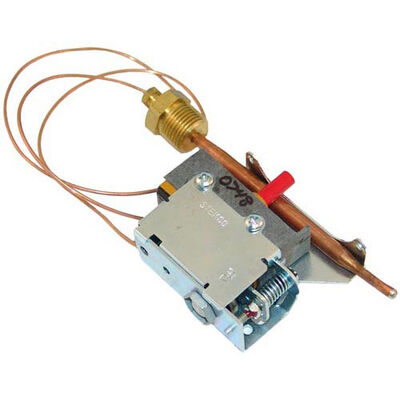
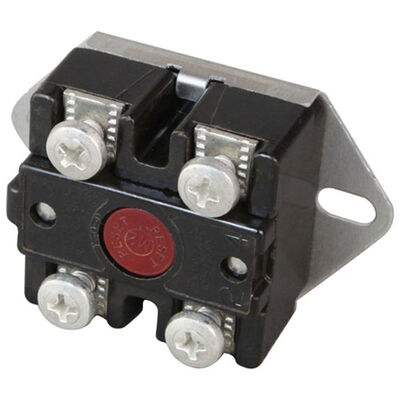
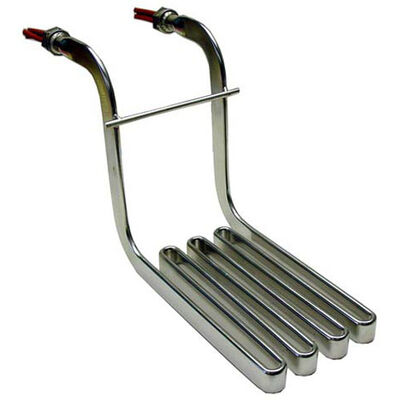
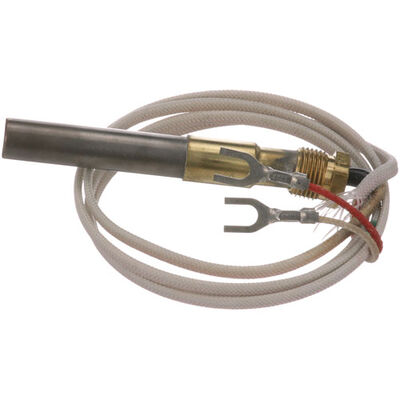
Looking for commercial kitchen equipment parts? Shop commercial fryer parts at PartsFe, including fryer baskets, heating elements, fryer thermocouples, and high-limit switches.
References:
https://natural-resources.canada.ca/stories/spotlight-energy-efficiency/much-you-know-about-your-commercial-fryer
FAQs
Can hot air fryers handle full commercial kitchen menus?
Hot air fryers work best for items like fries, nuggets, and snacks, but may need adjustments for heavily battered or complex dishes.
How do hot air fryers reduce oil usage in kitchens?
They use minimal oil coating instead of deep immersion, significantly lowering oil consumption and related costs.
What maintenance do commercial hot air fryers require?
They require regular cleaning of trays, fans, and chambers, but eliminate oil filtering and disposal tasks.
|
Disclaimer: This article is for general informational purposes only. Always verify specifications and certifications directly with the manufacturer before making a purchasing decision for your commercial kitchen. |