How to Replace Dishwasher Mounting Brackets Safely: Step-by-Step Guide
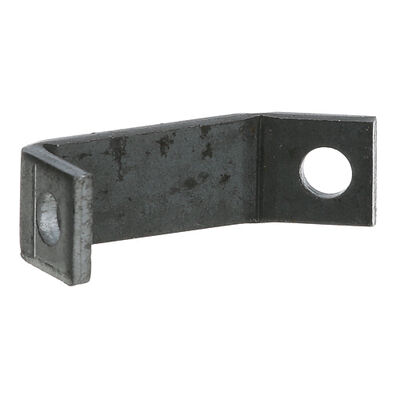
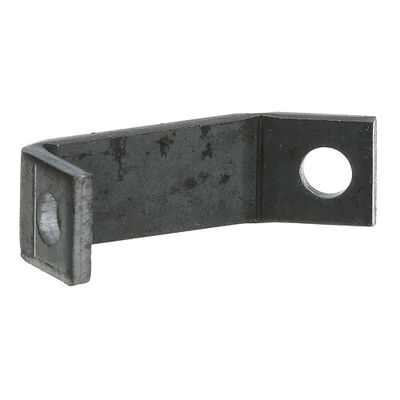
Dishwasher mounting brackets play a crucial role in keeping your appliance stable, level, and securely fixed to the countertop or cabinet. Over time, these brackets can loosen, rust, bend, or break—especially in busy commercial kitchens where dishwashers operate continuously. Replacing worn or damaged mounting brackets ensures the dishwasher won’t shift, vibrate, or tip forward, restoring both safety and operational efficiency. This guide walks you through everything you need to know about how to replace dishwasher mounting brackets safely, from understanding their purpose to identifying types, preparing your space, performing the replacement, and completing safety checks.
Signs Your Dishwasher Mounting Brackets Need Replacement
Unlike a fresh installation, replacement is about diagnosing failure. Before ordering parts, check for these symptoms indicating your current brackets are compromised:
-
Visible Corrosion: If you see rust on the metal clips, structural integrity is lost.
-
The Forward Tilt: The dishwasher pulls out of the cabinet when a loaded rack is extended.
-
Stripped Screws: The dishwasher mounting screws and parts are loose and won't tighten back into the wood.
-
Cracked Countertops: Stress from a wobbly dishwasher can cause stress fractures in stone or laminate.
-
Misalignment: The door no longer sits flush with your cabinetry, causing steam leaks.
Looking to replace your dishwasher safely and securely? PartsFe CA offers premium-quality dishwasher parts, including mounting brackets, retainer clips, and replacement hardware from trusted brands like Whirlpool, Bosch, and GE.
Types of Commercial Dishwasher Mounting Brackets
When replacing dishwasher mounting brackets, choose the type compatible with your model. Different designs suit various countertops and ensure long-term stability.
-
Top-Mount Brackets: These attach directly to the underside of the countertop. They’re ideal for wooden or laminate surfaces where drilling is safe and easy.
-
Side-Mount Brackets: Used when countertops are made of stone, granite, or quartz. They secure the dishwasher to the cabinet sides instead of the countertop.
-
Rear-Mount Brackets: Found mostly in larger commercial units, these attach at the back of the dishwasher to the wall for extra stability during heavy operation.
-
Universal Mounting Brackets: Designed to fit both top and side mounting options, making them perfect for different dishwasher models and materials.
-
Adjustable Brackets: Feature sliding or flexible slots that allow installers to fine-tune the positioning for an exact fit within varying cabinet openings.
-
Heavy-Duty Stainless-Steel Brackets: Built for commercial-grade dishwashers, these resist rust, corrosion, and vibration, ensuring long-lasting durability.
- Anti-Tip Brackets: Provide additional security by preventing the dishwasher from tipping forward when the door is open or racks are extended.
Essential Tools and Parts Needed to Replace Dishwasher Mounting Brackets
Before you begin replacing, make sure you have the right tools and materials ready. This prevents delays and helps ensure every step goes smoothly. Keeping everything organized makes the process quicker and reduces the chance of mistakes.
Tools Required:
-
Phillips and flat-head screwdrivers
-
Power drill with screwdriver bits
-
Measuring tape
-
Adjustable wrench or nut driver
-
Level
-
Pliers
-
Safety gloves and goggles
Parts Needed:
-
Dishwasher mounting brackets (specific to your model)
-
Screws and fasteners (usually provided with the bracket kit)
-
Retainer clips (for top or side mounts)
-
Mounting hardware for countertop or cabinet
-
Optional: Anti-tip kit for added stability
Pro Tip: Always check the dishwasher manufacturer’s manual for specific bracket compatibility before ordering replacement brackets.
How to Prepare Your Dishwasher and Cabinet Space for Bracket Replacement
Replacing dishwasher mount brackets requires careful preparation to avoid damage and ensure precise alignment. Proper attention to these often-overlooked points can make the process smoother and safer:
-
Examine bracket corrosion or metal fatigue: Even if the brackets look intact, check for microscopic rust, cracks, or bending that could affect long-term stability after replacement.
-
Inspect screw and anchor integrity: The old screws or wall anchors may be stripped or worn. Identifying weak anchors before removing the old brackets prevents surprises during replacement.
-
Check dishwasher vibration history: Dishwashers that have vibrated excessively can wear down bracket attachment points. Look for small cracks, dents, or loosened mounting areas.
-
Mark exact bracket positions: Use painter’s tape or a pencil to trace the edges of the old brackets. This ensures the new ones are placed exactly where they need to be for optimal alignment.
-
Evaluate surrounding insulation or padding: Some dishwashers have padding or sound-dampening materials near brackets. Check for deterioration and replace if necessary to avoid rattling or uneven mounting.
-
Consider hidden water or drain line interference: Ensure that replacing brackets will not pinch or stress hoses behind the dishwasher, which could cause leaks later.
Proper preparation ensures safe, precise bracket replacement and prevents future issues.
Step-by-Step Process on How to Replacement Mounting Brackets Safely on Commercial Dishwashers
Replacing mounting brackets on a commercial dishwasher requires careful attention to ensure stability and proper alignment. Focusing on the correct steps helps prevent leaks, rattling, or operational issues during and after replacement.
-
Slide the dishwasher forward or out slightly: Create enough space to access existing brackets without stressing hoses, cords, or wiring.
-
Inspect old brackets: Check for wear, corrosion, cracks, or bending that may have compromised stability.
-
Remove worn brackets: Carefully unscrew and detach old brackets, noting any stripped screws or damaged anchors that need replacement.
-
Examine cabinet and countertop surfaces: Look for moisture damage, cracks, or weak areas that could affect the new brackets’ stability.
-
Mark exact bracket positions: Trace or note the old bracket locations to ensure precise alignment of the replacement brackets with the door and cabinet fronts.
-
Clear hoses, cords, and insulation: Ensure nothing will be pinched or obstructed by the new brackets.
-
Install replacement brackets: Use appropriate screws or anchors, securing them snugly without over-tightening.
-
Check alignment and level: Make sure the dishwasher sits flush with adjacent cabinets and is properly leveled to avoid movement.
-
Test stability and door operation: Open and close the door several times, adjusting brackets if there is any tilting or rattling.
-
Final inspection: Verify that all screws are secure, hoses are unobstructed, and the dishwasher is fully stable before reconnecting power and water.
Safety Checks and Troubleshooting After Replacement Dishwasher Mounting Brackets
After replacing mounting brackets, it’s essential to inspect the dishwasher for alignment, stability, and smooth operation. Early detection of issues ensures long-term performance and prevents damage.
|
Problem |
Possible Cause |
Replacement-Specific Solution |
|
Dishwasher shifts or tilts |
Replacement brackets are misaligned or unevenly mounted |
Recheck bracket alignment, ensure screws and anchors are secure, and level the dishwasher |
|
Excessive vibration or noise |
Brackets not properly seated or uneven pressure applied |
Adjust bracket position, relevel dishwasher, and tighten all screws evenly |
|
Door misalignment or poor seal |
New brackets positioned incorrectly or uneven frame pressure |
Reposition brackets, adjust leveling legs, and realign the door for proper sealing |
|
Water leakage at the base |
Dishwasher not leveled after bracket replacement or hoses displaced |
Level the appliance, verify hose routing, and tighten all connections |
|
Dishwasher not flush with cabinets |
Old bracket measurements reused or uneven floor |
Adjust leveling legs, confirm new brackets are positioned accurately |
|
Countertop or cabinet stress |
Wrong screw length or overtightening on replacement brackets |
Use manufacturer-approved screws and avoid overtightening. |
|
Pinched cords or hoses |
Hoses or power lines not cleared during bracket replacement |
Reposition hoses and cords to ensure unrestricted movement |
Post-Replacement Safety Checks
-
Open and close the dishwasher door fully to ensure the appliance does not tilt forward or shift.
-
Confirm the replacement brackets are flush with the cabinet or countertop and all screws are fully tightened.
-
Check that the dishwasher does not rattle, vibrate, or move during operation.
-
Verify that hoses, cords, and insulation are clear and unobstructed by the new brackets.
-
Inspect that the replacement brackets are evenly mounted and do not apply uneven pressure on the dishwasher frame.
-
Ensure the dishwasher sits flush with surrounding cabinets and that leveling legs are adjusted as needed.
Check out how to install mounting brackets on a commercial dishwasher quickly and safely.
Conclusion: Ensuring Safe and Long-Lasting Dishwasher Mounting Bracket Replacement
Replacing dishwasher mounting brackets is about more than swapping hardware; it restores stability and ensures long-term reliability. Paying attention to often-overlooked factors like hidden corrosion, uneven cabinet floors, and prior vibration damage can prevent future issues. Proper alignment, careful leveling, and ensuring hoses and power cords are free from pressure points are critical steps.
-
Inspect old brackets for corrosion or bending before removal.
-
Mark exact bracket positions for precise alignment.
-
Verify new brackets do not stress the dishwasher frame.
-
Check that hoses and cords remain clear and unobstructed.
-
Test the dishwasher for micro-movements and subtle vibrations.
Post-replacement verification goes beyond basic door operation; subtle shifts or uneven pressure can cause long-term damage. Addressing these nuanced issues immediately ensures quiet, efficient, and fully supported dishwasher operation. By focusing on these details, your appliance remains secure, functional, and durable for years.
FAQs
How do I secure a dishwasher top-mount bracket during replacement?
Remove the old bracket and attach the replacement bracket to the underside of the countertop using manufacturer-provided screws. Ensure the dishwasher is level and the door aligns flush with the surrounding cabinets.
How do I replace dishwasher retainer clips?
Slide new retainer clips into the original slots on the top or side of the dishwasher frame. Once properly aligned, secure them with screws to prevent appliance movement.
How do I know if my dishwasher mounting brackets need replacement?
Signs include wobbling, tilting forward, excessive vibration during cycles, visible rust, or bent brackets. Any of these indicate the brackets should be replaced to maintain stability and safety.
Can I replace dishwasher mounting brackets without drilling into the countertop?
Yes. Use side-mount replacement brackets that attach directly to the cabinet walls, which is ideal for stone or granite countertops where drilling is not advisable.
What happens if my replacement dishwasher mounting brackets are installed incorrectly?
Incorrectly installed replacement brackets can cause tilting, vibration, or leaks, potentially damaging the dishwasher, cabinetry, and voiding warranties. Proper alignment and secure fastening are essential.