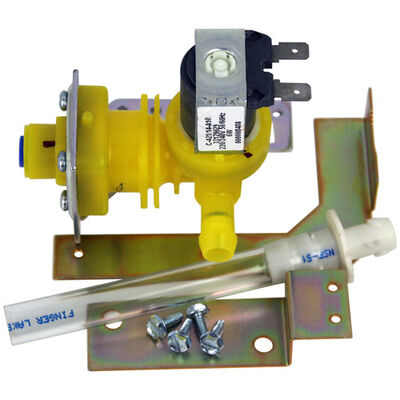
How to Install Dishwasher Mounting Brackets in Commercial Kitchens
In a high-traffic commercial kitchen, equipment stability isn’t optional, nearly 35% of dishwasher performance issues are linked to improper installation or unsecured units. When a dishwasher shifts during heavy cycles, it can cause leaks, workflow disruptions, and costly damage. Understanding how to install a dishwasher bracket and mount a unit correctly is essential for maintaining safety and efficiency.
Using the right commercial dishwasher parts, including a proper mounting bracket, ensures your unit stays level, secure, and compliant. This guide covers the essential tools, correct installation techniques, and expert tips to help you avoid common mistakes and protect your kitchen investment.
Why Proper Dishwasher Mounting Is Critical in Commercial Kitchens
Proper mounting of a commercial dishwasher is essential for maintaining safety, performance, and compliance in high-demand kitchen environments. Here’s why proper installation matters:
-
Enhanced Structural Stability and Safety: Secure installation keeps the dishwasher firmly in place, preventing tipping from heavy loads and reducing vibration that can cause the unit to shift. This stability also lowers the risk of workplace injuries.
-
Protection of Utility Connections: A properly mounted dishwasher protects plumbing and electrical systems by preventing unnecessary movement. This reduces the chances of leaks, loose wiring, and drainage issues over time.
-
Long-Term Operational Efficiency: Stable positioning helps maintain correct alignment, ensuring effective cleaning, tight door seals, and reduced wear on internal components, ultimately lowering maintenance costs.
-
Regulatory and Sanitation Compliance: Firmly mounted equipment eliminates gaps where debris or pests can accumulate, supports proper drainage, and helps commercial kitchens meet hygiene and safety standards.
Looking for reliable commercial kitchen equipment parts? Shop now at PartsFe CA for high-quality, durable components that keep your operations running smoothly. From dishwasher mounting brackets to essential replacement parts, we offer a wide selection built for performance and reliability.
Step-by-Step Process to Install Dishwasher Mounting Brackets
To achieve a professional-grade installation in a commercial kitchen, follow this structured process to securely install dishwasher mounting brackets and ensure long-term stability.
Step 1: Preparation and Alignment
Before drilling, confirm the dishwasher is perfectly level by adjusting the leveling legs. In commercial kitchens, floors often slope toward drainage points, so place a spirit level along the top edge of the unit to correct any unevenness and ensure proper alignment before you mount a dishwasher.
Step 2: Marking Bracket Placement
Locate the designated mounting points on the underside of the countertop or along the sides of adjacent cabinetry. When working with stainless steel surfaces, use a center punch to create a small indentation—this prevents the drill bit from slipping and protects the surface finish.
Step 3: Drilling the Holes
Use the appropriate drilling technique based on the material to ensure a secure and damage-free installation.
-
For Wood/Laminate: Pre-drill pilot holes using a bit slightly smaller than the mounting screws to prevent material splitting.
-
For Stainless Steel/Stone: Use a carbide-tipped drill bit and apply steady, low-pressure drilling to avoid overheating or surface damage.
Step 4: Securing the Brackets
Align the dishwasher mounting brackets with the pilot marks and fasten using heavy-duty screws until they sit flush. Avoid over-tightening, as excessive force can warp the dishwasher bracket and interfere with proper door operation.
Step 5: Final Verification
After securing the brackets, test the dishwasher door by opening and closing it multiple times. The door should move smoothly without resistance or contact with the brackets or countertop, confirming a correct and stable installation.
Explore how to replace dishwasher mounting brackets safely: a step-by-step guide, highlighting safe installation for a secure fit and stable operation.
Common Installation Mistakes and How to Avoid Them
Even experienced technicians can overlook small installation details that lead to serious operational issues in commercial kitchens, especially when mounting brackets for dishwasher systems are not used correctly.
|
Installation Issue |
Frequency |
Root Cause |
Risk Level |
|
Using incompatible fasteners |
35% |
Incorrect or mixed material screws |
High |
|
Ignoring floor slope |
30% |
Improper leveling before mounting |
High |
|
Over-tightening brackets |
20% |
Excessive torque during install |
Medium |
|
Skipping compatibility check |
15% |
Wrong or missing mounting brackets |
Medium |
Insight: Using incompatible fasteners is the most common issue, often leading to corrosion or weak structural hold, which can compromise safety and long-term equipment performance.
How to Avoid These Issues
-
Using Incompatible Fasteners: Always use manufacturer-recommended screws and hardware designed for dishwasher mounting brackets. Ensure material compatibility (e.g., stainless steel with stainless steel) to prevent galvanic corrosion and maintain strong structural support.
-
Ignoring Floor Slope: Before securing the unit, use a spirit level to check alignment and adjust the dishwasher’s leveling legs accordingly. This ensures the unit remains balanced, preventing frame distortion and sealing issues.
-
Over-Tightening Brackets: Avoid using excessive force when tightening brackets. Secure screws until they are flush, then finish with controlled hand-tightening to prevent bending or warping of the brackets and frame.
-
Skipping Compatibility Check: Verify whether the dishwasher includes compatible mounting brackets or requires specific ones. Always cross-check model specifications to ensure proper fit and secure installation.
Maintenance Tips to Ensure Long-Term Stability and Performance
Regular maintenance is essential to keep a commercial dishwasher securely mounted and operating efficiently over time. Routine checks help prevent costly repairs, reduce downtime, and maintain safety standards in high-volume kitchen environments. Focusing on a few key maintenance areas can significantly improve long-term stability and performance.
Monthly Fastener Inspection
Regularly checking mounting hardware helps prevent minor issues from escalating into major failures.
-
Check Screw Tightness: Inspect mounting screws and brackets monthly to ensure they remain secure and properly seated.
-
Use Manual Tools: Always use a manual screwdriver for adjustments, as power tools can strip threads in stainless steel or wood.
-
Stabilize Loose Screws: If a screw repeatedly loosens, apply a food-grade thread locker to maintain a firm hold during intensive wash cycles.
Monitor Door Alignment
The dishwasher door serves as a key indicator of overall mounting stability.
-
Watch for Irregular Movement: If the door begins to catch, rub, or requires extra force to close, it may indicate bracket movement or unit settling.
-
Re-Level Promptly: Adjust the leveling legs immediately to restore alignment and prevent additional strain on components.
-
Protect Seals and Efficiency: Proper alignment ensures the door gasket remains intact, maintaining a steam-tight seal and protecting surrounding cabinetry.
Inspect for Moisture and Corrosion
The humid conditions of commercial kitchens can accelerate wear on mounting components if not properly managed.
-
Clean Mounting Areas: Regularly wipe down brackets to remove detergent residue and moisture that can lead to corrosion.
-
Check for Rust Formation: Look for signs such as orange staining or surface pitting, which indicate early-stage corrosion.
-
Replace Damaged Hardware: Immediately replace weakened dishwasher mounting brackets to avoid failure.
Consistent maintenance not only preserves mounting integrity but also ensures reliable performance, safety, and longevity of your commercial dishwasher.
Watch the video below that covers simple steps and best practices to maintain performance and avoid costly repairs.
Summary: Ensure Secure Dishwasher Installation for Long-Term Performance
A secure dishwasher installation is essential for maintaining safety, efficiency, and durability in a commercial kitchen. Proper mounting, accurate leveling, and the use of high-quality dishwasher brackets directly impact performance and prevent costly damage. Regular inspections and maintenance ensure long-term stability, minimizing operational risks. By following best practices, your dishwasher remains a reliable, high-performing asset in demanding kitchen environments.
Key Takeaways
-
Proper mounting ensures the dishwasher remains stable, preventing movement, leaks, and potential safety hazards in busy commercial kitchens.
-
Using the correct stainless steel or manufacturer-recommended fasteners guarantees a secure, corrosion-resistant installation that lasts longer.
-
Accurate leveling of the unit is essential for optimal water flow, efficient drainage, and consistent washing performance.
-
Avoiding common mistakes like over-tightening brackets or ignoring floor slope helps maintain proper alignment and prevents long-term damage.
-
Regular inspections allow early detection of loose components, corrosion, or misalignment before they escalate into costly repairs.
-
Consistent maintenance improves equipment reliability, extends lifespan, and reduces unexpected downtime and repair expenses.
FAQs
Are mounting brackets necessary for commercial dishwashers?
Yes, mounting brackets are essential, as they secure the unit in place, prevent movement during heavy cycles, and reduce the risk of leaks, tipping, and structural damage.
Can you install a dishwasher without brackets?
Technically possible, but not recommended in commercial settings, as it increases the risk of instability, safety hazards, and potential failure of plumbing and electrical connections.
How tight should dishwasher mounting screws be?
Mounting screws should be tightened until they are snug and flush with the bracket, but not over-tightened, as excessive force can warp brackets or damage the unit frame.
What type of brackets should I use for stainless steel counters?
Use corrosion-resistant stainless steel brackets along with compatible screws or anchors specifically designed for metal surfaces to ensure durability and a secure hold.
How often should mounting brackets be checked?
Mounting brackets should be inspected at least once a month in high-volume kitchens to ensure they remain tight, aligned, and free from corrosion or wear.
|
Disclaimer: This guide is for informational purposes only and is intended to provide general installation insights. Follow manufacturer guidelines and consult a professional for safe installation. |