Top 5 Commercial Grill Grate Maintenance Tips to Reduce Kitchen Downtime
Are your grill grates slowing down kitchen operations? If yes, commercial grills are one of the most heavily used and problem-prone stations in busy kitchens due to constant high heat, continuous cooking, and heavy grease buildup during daily operations.
Poorly maintained commercial grill grates can create serious safety and performance problems. Excess grease and carbon deposits may cause flare-ups, while cracked or warped grates can lead to uneven cooking and contaminated food surfaces. Over time, neglecting regular maintenance can increase repair costs and shorten equipment lifespan.
In this blog, we’ll go through the 5 best grill grate maintenance tips to prevent issues like grease buildup and rust, along with common problems and practical ways to reduce kitchen downtime.
Why Regular Grill Grate Maintenance Matters in Commercial Kitchens
Regular grill grate maintenance helps commercial kitchens maintain food safety, prevent grease fires, improve cooking performance, and extend equipment lifespan. In busy kitchens, grease, carbon, and food residue build up quickly on grill surfaces, reducing heat transfer and causing uneven cooking.
Routine grill grate maintenance offers several key operational benefits, including:
-
Fire Prevention: Grease buildup on hot grill surfaces increases the risk of grease fires. Regular scraping and degreasing help maintain a safer kitchen environment.
-
Food Safety and Hygiene: Dirty grates can trap bacteria, burnt residue, and carbon deposits that may contaminate food. Regular cleaning helps prevent cross-contamination and supports food safety compliance.
-
Longer Equipment Lifespan: Continuous exposure to grease and high heat can cause corrosion, warping, and surface damage. Proper maintenance reduces wear and helps extend grill life.
-
Consistent Food Quality: Clean grill grates allow even heat distribution and proper searing, helping maintain consistent cooking results and customer satisfaction.
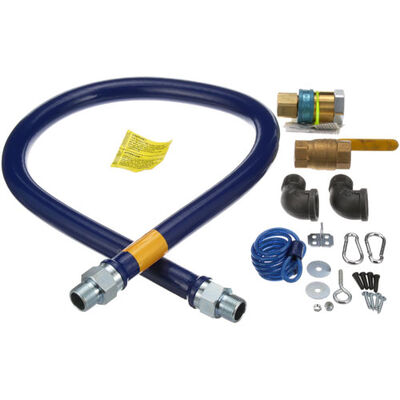
Looking for commercial kitchen equipment parts? Shop commercial grill grates at PartsFe, including gas grill connectors, orifices, pressure regulators, solenoid valves, and griddle & grill knobs for efficient kitchen operations.
Top 5 Commercial Grill Grate Maintenance Tips
Below are the top maintenance practices every commercial kitchen should follow to keep grill grates clean, safe, and efficient.
Tip 1: Clean Grill Grates After Every Shift
Clean grill grates after each shift to remove grease, carbon buildup, and food residue. Daily brushing improves heat distribution, food safety, and overall grill performance while preventing stubborn buildup that becomes harder to remove over time.
Tip 2: Inspect Grates for Rust, Cracks, and Warping
Inspect grill grates regularly for rust, cracks, loose welds, or warped bars. Damaged grates can lead to uneven cooking, food contamination risks, and reduced heating efficiency. Replace worn or damaged grates immediately to maintain safe kitchen operations.
Tip 3: Season Grill Grates Regularly
Apply a thin layer of high-heat cooking oil after deep cleaning to protect grill grates from rust and improve their non-stick surface. Regular seasoning also helps extend the grate's lifespan and improves cooking consistency.
Tip 4: Use Proper Grill Cleaning Tools
Use grill brushes, scrapers, grill stones, and food-safe degreasers to remove grease and carbon buildup without damaging the grates. Replace damaged brushes immediately to prevent food contamination and safety risks.
Tip 5: Train Staff on Proper Grill Maintenance Procedures
Proper staff training helps ensure consistent grill cleaning, safe maintenance practices, and better equipment performance across all shifts. The following areas discussed in the table should be covered in your training and operational procedures:
|
Area |
Key Actions |
|
Daily Checklist |
Clean and scrape grates, wipe surfaces, empty grease trays, and log completed tasks after every shift |
|
Weekly Maintenance |
Perform deep degreasing, inspect burners, and check ventilation filters regularly |
|
Staff Training |
Train employees on safe chemical use, PPE, grill cleaning methods, and identifying equipment damage |
|
Shift Handover SOP |
Ensure outgoing staff report grill condition, cleaning status, and maintenance issues to incoming staff |
|
Accountability |
Assign supervisors to review maintenance logs and confirm procedures are followed consistently |
Watch how to clean your commercial grill grates for quick cleaning and maintenance tips
Common Grill Grate Problems That Lead to Kitchen Downtime
In commercial kitchens, grill grate issues can quickly disrupt operations, reduce cooking efficiency, and compromise food quality. Below are the most common grill grate issues, along with their causes and operational impact.
Excessive Grease Buildup on Commercial Grill Grates
-
Cause: Infrequent cleaning allows grease, food particles, and carbon deposits to accumulate on grill grates over time.
-
Impact: Excess buildup can cause flare-ups, uneven cooking temperatures, smoke issues, and increased fire risks during peak kitchen hours.
Rust Formation on Commercial Grill Grates
-
Cause: Constant exposure to moisture, poor drying, and lack of seasoning can lead to rust on grill grates.
-
Impact: Rust weakens the cooking surface, creates food contamination risks, and shortens the lifespan of the grill grates.
Warped Commercial Grill Grates from High Heat Exposure
-
Cause: Continuous exposure to extreme cooking temperatures can gradually warp metal grill grates.
-
Impact: Warped grates distribute heat unevenly, resulting in inconsistent cooking performance and reduced food quality.
Food Sticking to Commercial Grill Grates During Cooking
-
Cause: Lack of regular seasoning or improper cleaning removes the protective coating from grill grates.
-
Impact: Food sticking slows kitchen workflow, affects food presentation, and increases post-service cleaning time.
Cracked or Broken Commercial Grill Grates in Busy Kitchens
-
Cause: Heavy daily usage, thermal stress, and aging materials can cause grill grates to crack or break.
-
Impact: Damaged grill grates create safety hazards, interrupt cooking operations, and may lead to unexpected kitchen downtime.
Check out troubleshooting commercial grill heating element issues: Here's how to fix uneven heating and temperature problems quickly
Best Practices for Extending the Life of Commercial Grill Grates
The table below highlights essential grill grate maintenance practices, recommended frequency, and their key operational benefits.
|
Frequency |
Practice |
Key Benefit |
|
Daily |
Consistent Cleaning Routine |
Prevents grease fires, corrosion, and uneven cooking |
|
Weekly |
Deep Cleaning |
Improves cooking efficiency and reduces equipment strain |
|
Weekly |
Proper Seasoning |
Prevents rust and extends the grill grates lifespan |
|
Monthly |
Replace Damaged Parts |
Avoids safety risks and uneven heat distribution |
|
Monthly |
Maintain Ventilation Systems |
Reduces heat buildup and improves kitchen safety |
|
Yearly |
Professional Maintenance |
Detects hidden issues and prevents costly breakdowns |
Summary: Proper Grill Grate Care Helps Keep Commercial Kitchens Efficient
Regular commercial grill grate maintenance helps restaurants reduce kitchen downtime, improve cooking performance, and extend equipment lifespan. Daily cleaning, proper seasoning, routine inspections, and staff training help prevent common grill grate problems such as rust, grease buildup, and uneven heating.
Key Takeaways
-
Clean commercial grill grates after every shift to prevent grease and carbon buildup.
-
Inspect commercial grill parts regularly for rust, cracks, and warping to avoid equipment failure.
-
Season grill grates with high-smoke-point oil to reduce sticking and prevent corrosion.
-
Use proper grill cleaning tools and food-safe degreasers for effective maintenance.
-
Train kitchen staff on grill grate maintenance procedures and cleaning schedules.
-
Preventive grill maintenance helps reduce downtime, improve cooking consistency, and extend the lifespan of the grate.
FAQs
What is the rule of 3 grilling?
A grilling method using three heat levels or stages, like searing, cooking, and resting, to ensure even doneness and better flavor.
How to clean commercial grill grates?
Clean while warm, using a grill brush to remove residue. For deep cleaning, soak in hot water with degreaser, scrub, and dry fully.
Should you oil a grill grate?
Yes, lightly oiling prevents sticking, improves browning, and helps reduce rust. Use a thin layer of high-smoke-point oil.
|
Disclaimer: This content is for informational purposes only. Always refer to the official equipment manual or a qualified technician for accurate maintenance, diagnosis, and repairs. |