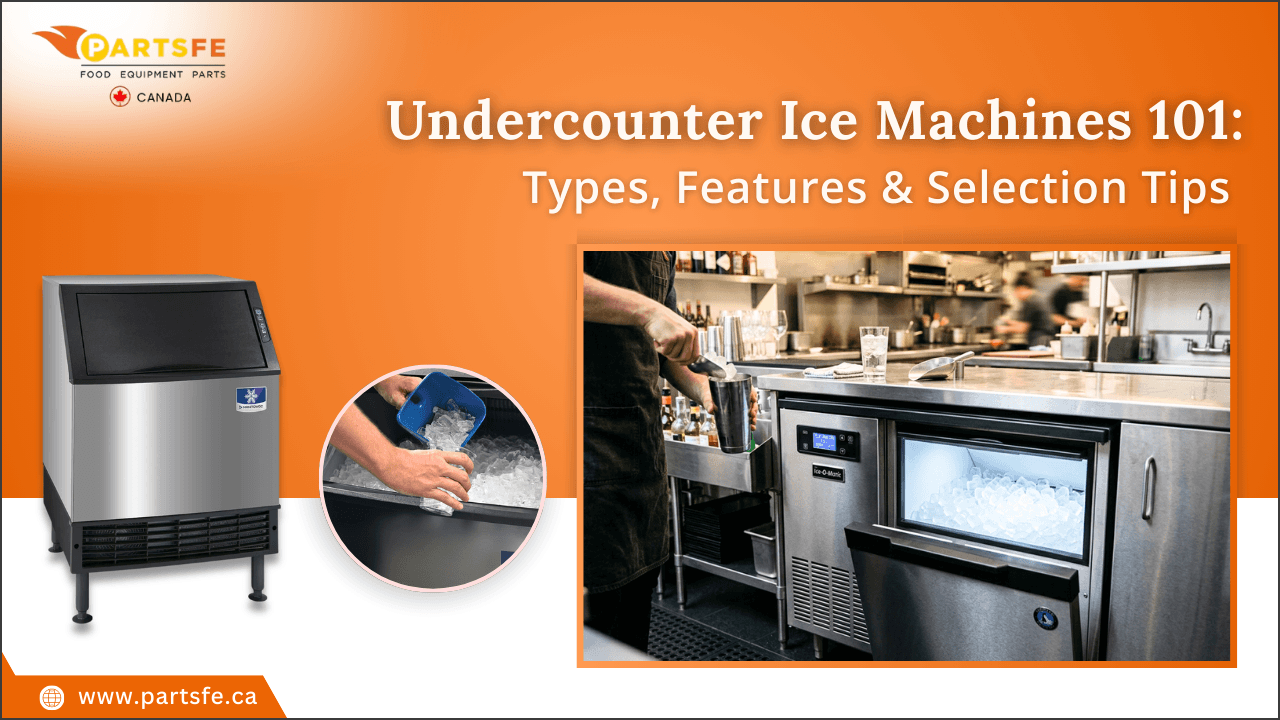
Undercounter Ice Machines 101: Types, Features & Selection Tips
In modern commercial kitchens, space efficiency and reliable ice production are essential for smooth operations. Undercounter ice machines offer a compact, high-performance solution, delivering consistent ice output without occupying valuable floor space. Whether used in bars, cafés, or full-service restaurants, these units support everything from beverage service to food preservation. However, with multiple types, features, and production capacities available, selecting the right model can be challenging. This guide covers the basics of undercounter ice machines, helping you understand key features and make an informed choice that aligns with your operational needs and service demands.
What Is an Undercounter Ice Machine and How Does It Work?
An undercounter ice machine is a built-in appliance designed to fit seamlessly beneath standard countertops, typically measuring 34 inches or less in height. Unlike portable or countertop models that require manual refilling, these units are directly connected to your home’s water supply and drainage system, ensuring a continuous, high-capacity ice production ideal for both residential and commercial use.
How an Undercounter Ice Machine Works
The operation follows a fully automated cycle controlled by an internal module that manages water intake, freezing, and ice harvesting using key ice machine parts.
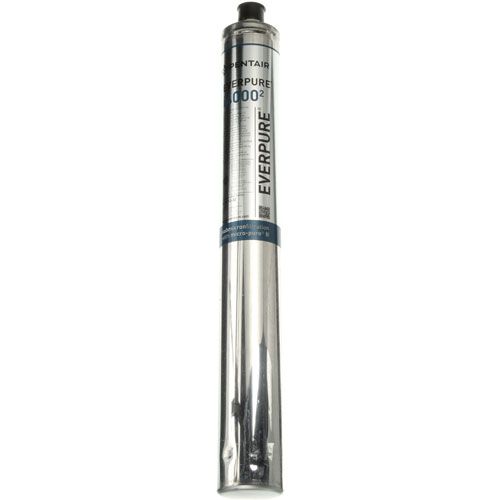
Step 1: Water Intake & Filtration: A solenoid valve opens to draw water from the supply line into the unit. Most modern machines include a built-in water filter that removes impurities, improving both the clarity and taste of the ice.
Step 2: The Freezing Process: At the core is the refrigeration system, which includes a compressor, condenser, expansion valve, and evaporator.
-
Water is either filled into a mold or continuously circulated over a chilled evaporator plate.
-
In advanced clear-ice machines, water freezes gradually in layers, allowing trapped air and minerals to be flushed away, resulting in dense, crystal-clear ice cubes often produced by a gourmet ice machine.
Step 3: Harvesting the Ice: Once sensors detect that the ice has fully formed, the machine initiates the harvest cycle.
-
The evaporator plate is briefly heated using either a heating element or hot refrigerant gas to release the ice.
-
The cubes then slide or are pushed into the storage bin below, similar to standard cube ice machines.
Step 4: Storage & Maintenance: The storage bin functions as an insulated compartment rather than a freezer. This design allows ice to remain loose and prevents clumping, though gradual melting is normal. The resulting meltwater is removed through a drainage system, either via gravity or a built-in drain pump, which is critical during undercounter ice machine installation.
Key Components
-
Insulated Storage Bin: Typically holds between 20 and 50 lbs of ice, depending on the model.
-
Ventilation System: Front-facing vents allow installation in tight cabinet spaces without overheating.
-
Drainage System: Essential for removing meltwater; a pump is required when a gravity drain is not feasible.
Looking for reliable commercial appliance replacement parts in Canada? PartsFe CA is your trusted source for high-quality components designed to keep your kitchen and commercial equipment running at peak performance. From ice machine parts and refrigeration components to essential accessories, we offer a wide selection backed by competitive pricing and fast shipping across Canada.
Different Types of Undercounter Ice Machines
When selecting undercounter ice machines, the “type” is defined by three primary factors: the ice shape it produces, its cooling method, and whether it’s built for residential or commercial use. Understanding these undercounter ice machine types helps you match the machine to your specific needs.
Categorization by Ice Type
The most important consideration is the form of ice, as each type serves a different purpose:
-
Cube Ice (Full, Half, or Gourmet): The most common option. Full and half cubes are dense and slow-melting, ideal for soft drinks and everyday use. Gourmet cubes are larger, crystal-clear, and melt even slower—perfect for cocktails and upscale settings, often produced by cube ice machines.
-
Nugget Ice: Also known as pellet or chewable ice, these soft, airy pieces absorb flavors well, making them a favorite for sodas, iced coffee, and smoothies. Many users prefer an undercounter nugget ice machine for this purpose.
-
Flake Ice: Small, soft flakes that cool quickly and mold easily. Commonly used for food displays like seafood counters, salad bars, and blended drinks, often produced by a flake ice machine undercounter setup.
-
Crescent Ice: Recognizable by its curved shape, this ice type reduces splashing and packs efficiently in glasses, making it suitable for high-volume service environments.
Categorization by Cooling System
The cooling mechanism determines installation requirements and performance:
-
Air-Cooled: The most popular and budget-friendly option. These units use fans to circulate air and dissipate heat. They are easy to install but require proper ventilation space and may underperform in high-temperature environments.
-
Water-Cooled: These systems use a continuous flow of water to cool internal components. They operate more quietly and perform better in tight or hot spaces but consume more water, which can increase operating costs.
Commercial Units: Built for durability and continuous operation, a commercial undercounter ice machine can produce significantly higher volumes—often exceeding 100–200 pounds of ice daily—making them ideal for restaurants, bars, and catering environments.
Pro Tip: For outdoor kitchens or patio setups, choose a model specifically rated for outdoor use. These units feature enhanced insulation and weather-resistant construction to handle varying temperatures and conditions.
Key Features to Look for in an Undercounter Ice Machine
Beyond basic ice production, the right features determine how well the machine fits your space, performs daily, and holds up over time.
1. Drainage: Gravity vs. Pump: This is one of the most important installation considerations.
-
Gravity Drains: Rely on natural water flow and require a floor drain positioned directly below or near the unit. They are simpler, quieter, and lower maintenance, but limit placement flexibility.
-
Drain Pumps: Necessary when the drain is located farther away or above the unit level (such as a sink). Built-in pumps actively remove meltwater, preventing standing water, mold growth, and ice clumping, which is essential in any ice machine under-counter setup.
2. Ventilation and “Front-Breathing” Design: Undercounter units are typically enclosed within cabinetry, making proper airflow essential. Look for front-venting (front-breathing) designs that draw in and expel air through the front panel. This allows flush installation without overheating and ensures consistent performance in tight spaces.
3. Maintenance and Cleaning Cycles: Regular maintenance is critical to prevent mineral buildup and bacterial growth.
-
Self-Cleaning Modes: Automated cleaning cycles reduce manual effort and help maintain hygiene with minimal downtime.
-
Removable Air Filters: Easy-access filters simplify routine cleaning of the condenser, improving efficiency and extending the machine’s lifespan.
4. Smart Technology and Controls: Modern undercounter ice machines often include advanced control features:
-
Digital Displays: Allow precise control over ice thickness, production cycles, and timers while providing real-time system status.
-
Smart Alerts: Wi-Fi-enabled models can send notifications for maintenance, low water supply, or full ice bins directly to your device.
5. Efficiency and Certification: Energy and water efficiency directly impact long-term operating costs.
-
Energy Efficiency: Look for energy-efficient models that reduce electricity and water consumption without compromising output, especially when selecting the best undercounter ice machine.
-
Certifications: NSF-certified units meet strict food safety and sanitation standards, making them essential for commercial environments and ensuring safe ice production.
How to Choose the Right Undercounter Ice Machine for Your Needs
Selecting the right undercounter ice machine comes down to balancing available space, usage patterns, and daily ice demand. Avoid undersizing—or overspending—by focusing on these key criteria.
1. Calculate Your Daily Ice Demand: Ice machines are rated by 24-hour production capacity, so estimating your needs accurately is essential.
-
Residential Use: Most households find 25–50 lbs/day sufficient for daily use and occasional gatherings.
-
Commercial Use: Small cafés or offices may require 30–80 lbs/day, while busy restaurants and bars using a commercial undercounter ice machine may need 100–300+ lbs/day to handle peak demand.
-
Per-Person Estimate: Plan for approximately 1.5 to 2 lbs of ice per person for events or food service scenarios.
2. Match Storage Capacity to Usage Patterns: Production capacity (how much ice is made) differs from storage capacity (how much ice is held).
-
Steady Use: If ice is used consistently throughout the day, prioritize higher production over bin size.
-
Peak Demand: For situations like rush hours or events, a larger storage bin is essential. A good rule is to choose a bin that holds 75–80% of the unit’s daily production capacity.
3. Measure Your Available Space: Undercounter machines are designed for standard cabinetry, but sizing still matters.
-
15-Inch Models: Ideal for compact spaces like home bars or small kitchens, offering decent output in a slim footprint.
-
18–24 Inch Models: Provide higher production and storage, suitable for commercial setups or large households.
-
Height Considerations: Most units are 33–34 inches tall, while ADA-compliant models are slightly shorter (around 32 inches) for accessibility.
4. Integration and Style: Choosing the right integration style ensures your ice machine not only performs well but also complements your kitchen or bar design.
-
Freestanding vs. Built-in: Built-in models should feature front-venting to allow safe installation within cabinetry.
-
Finish Options: Stainless steel offers durability and a professional look, while panel-ready models allow custom cabinet fronts for seamless kitchen integration.
Pro Tip: Always verify your plumbing setup before purchase. If a floor drain isn’t directly below the unit, choose a model with a built-in drain pump to ensure proper water removal and hassle-free undercounter ice machine installation.
Watch the video below to choose the best portable countertop ice maker, which highlights key features and tips to help you choose the right ice maker.
Summary: Choosing the Right Undercounter Ice Machine for Reliable Ice Production
Choosing the right undercounter ice machine depends on aligning production capacity with your space and usage needs. Smaller setups benefit from compact units with moderate output, while commercial environments require high-capacity machines for continuous demand. Key factors like drainage, maintenance features, and ice type play a crucial role in long-term performance. By focusing on efficiency, ventilation, and reliability, you can ensure a consistent and high-quality ice supply.
Key Takeaways
-
Select production capacity based on daily usage (home vs. commercial needs) to avoid underperformance or unnecessary energy consumption
-
Ensure proper drainage—choose a built-in pump if needed to prevent water buildup, leaks, and installation limitations
-
Pick the right ice type for your application (nugget, cube, gourmet) to match beverage quality, cooling efficiency, and user preference
-
Prioritize self-cleaning features for easier maintenance and to reduce mineral buildup, bacteria growth, and manual cleaning time
-
Choose front-venting models for seamless built-in installation without overheating or requiring extra clearance space
-
Opt for energy-efficient units to reduce long-term operating costs, lower water usage, and improve overall sustainability
FAQs
What is the difference between an undercounter ice machine and a countertop ice maker?
Undercounter ice machines are built-in, high-capacity units connected to a water line and drain for continuous production, while countertop ice makers are portable, manually filled, and produce smaller batches with limited storage.
How much ice can an undercounter ice machine produce in a day?
Production typically ranges from 25 to 65 lbs/day for residential models and 100 to 300+ lbs/day for commercial units, depending on size and specifications.
What type of ice do undercounter ice machines typically produce?
They can produce various types, including cube (full, half, gourmet), nugget (chewable), flake, and crescent ice, each suited for different applications.
How often should an undercounter ice machine be cleaned and maintained?
Most machines should be cleaned every 3–6 months, though high-usage or hard-water environments may require more frequent maintenance to prevent scale buildup and ensure hygiene.
|
Disclaimer: This content is for informational purposes only. Specifications, performance, and features of undercounter ice machines may vary by brand and model, so always consult the manufacturer’s guidelines or a qualified technician before installation or maintenance. |