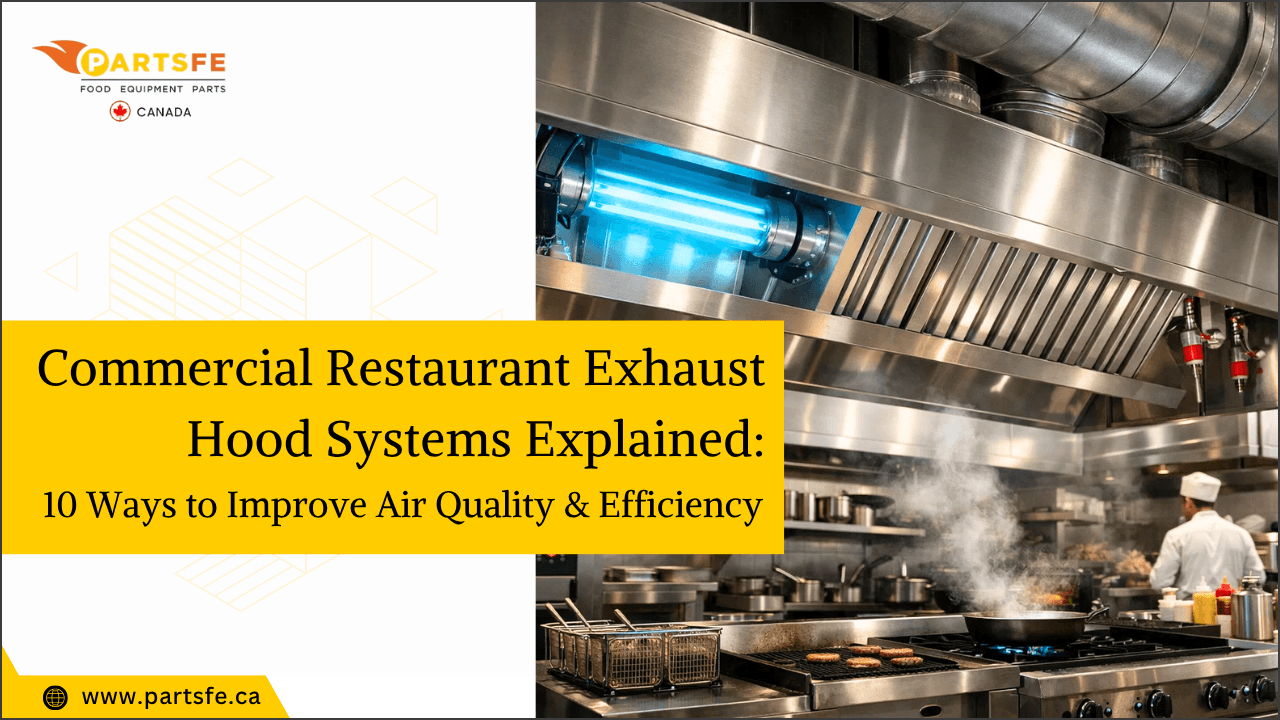
Commercial Restaurant Exhaust Hood Systems Explained: 10 Ways to Improve Air Quality & Efficiency
Maintaining a professional kitchen requires more than high-end equipment—it demands an efficient ventilation system. Commercial restaurant exhaust hood systems play a critical role in removing heat, smoke, and grease-laden vapors to maintain safe air quality. However, inefficient systems can lead to higher energy costs, poor ventilation, and fire risks. In this guide, we’ll explain how these systems work and share 10 practical ways to improve air quality, efficiency, and compliance in your commercial kitchen.
What Are Commercial Restaurant Exhaust Hood Systems, and How Do They Work
Commercial restaurant exhaust hood systems are specialized ventilation units designed to capture and remove heat, smoke, grease, and steam generated during cooking. These systems play a critical role in maintaining a safe and comfortable kitchen environment by creating controlled airflow that pulls contaminated air away from cooking surfaces, filters it, and exhausts it safely outside the building.
A standard exhaust hood system consists of three essential components working together efficiently:
-
Hood Canopy: A large stainless steel structure installed directly above cooking equipment. It acts as the primary capture zone, collecting rising heat, smoke, grease-laden vapors, and airborne contaminants before they spread throughout the kitchen.
-
Grease Filters: Located within the hood, these baffle or mesh filters serve as the first line of defense. They trap grease particles and solid debris, helping reduce fire hazards and preventing grease buildup inside ductwork, which can impact system performance.
-
Exhaust Fan and Ducting: A high-powered fan, typically mounted on the roof or an exterior wall, creates the suction needed to pull air through the filters and duct system. The ducting then safely channels contaminated air outside, ensuring proper ventilation and compliance with safety standards.
By maintaining consistent negative airflow, exhaust hood systems help regulate kitchen temperature, improve indoor air quality, and reduce the risk of grease fires. This not only creates a safer working environment for staff but also enhances overall kitchen efficiency and regulatory compliance.
What Affects Air Quality in Commercial Kitchen Exhaust Systems
In a high-volume commercial kitchen, air quality is not just about comfort—it directly impacts safety, efficiency, and compliance. When an exhaust system is not functioning optimally, it can result in excess heat, lingering smoke, and grease-laden air that affects both staff performance and equipment longevity. Several key factors influence how effectively your commercial kitchen exhaust system maintains clean and breathable air:
-
Cooking Volume and Equipment Type: High-heat appliances such as charbroilers, fryers, and woks generate significantly more smoke and grease vapors than ovens or steamers. If your exhaust hood system is not properly sized or rated for this output, contaminants can escape capture and remain suspended in the air.
-
Grease Buildup in Filters: Over time, grease filters can become saturated, reducing their ability to trap new particles. This buildup restricts airflow, causing smoke and heat to recirculate back into the kitchen instead of being effectively vented outside.
-
Improper Make-Up Air Balance: For every unit of air removed by the exhaust system, fresh air must be replenished. An underperforming make-up air system creates negative pressure, forcing exhaust fans to work harder, disrupting airflow, and even causing issues like door drafts or odor migration into dining areas.
-
Poor Hood Placement and Coverage: Proper hood positioning is essential for effective capture. If the hood canopy lacks sufficient overhang or is misaligned with cooking equipment, heat, smoke, and grease can escape before being captured, reducing overall system efficiency.
Addressing these factors is essential to maintaining optimal air quality, improving ventilation performance, and ensuring a safer, more efficient commercial kitchen environment.
10 Ways to Improve Air Quality and Energy Efficiency in Exhaust Hood Systems
Optimizing your commercial kitchen exhaust hood system does more than improve air quality—it reduces energy consumption, lowers operating costs, and extends equipment lifespan. By combining mechanical upgrades with smart kitchen practices, you can create a safer and more efficient cooking environment.
Here are 10 proven ways to enhance air quality and energy efficiency:
-
Install Demand-Controlled Ventilation (DCV): Smart sensors monitor heat and smoke levels, automatically adjusting fan speed. This reduces unnecessary energy use and can cut energy costs by up to 50%.
-
Regularly Clean Grease Baffle Filters: Dirty filters restrict airflow and reduce capture efficiency. Routine cleaning helps maintain proper ventilation and minimizes fire risks.
-
Optimize Hood Placement and Overhang: Ensure the hood extends 6–12 inches beyond cooking equipment. Proper overhang improves capture efficiency and prevents smoke from escaping.
-
Seal Gaps in the Ductwork: Leaks in duct systems reduce suction and allow grease buildup in hidden areas. Proper sealing ensures efficient airflow and safer operation.
-
Balance Your Make-Up Air (MUA) System: A well-balanced system replaces exhausted air with fresh air, preventing negative pressure, improving airflow stability, and reducing HVAC strain.
-
Switch to High-Efficiency LED Lighting: LED lights consume less energy, produce less heat, and last longer than traditional lighting, improving overall system efficiency.
-
Use Side Panels and Backsplashes: Adding side panels enhances airflow direction, increasing capture efficiency without requiring additional fan power.
-
Position Heavy-Duty Appliances Centrally: Place high-smoke equipment like fryers and charbroilers in the center of the hood to maximize pollutant capture.
-
Maintain Fan Belts and Motors: Regular inspection and maintenance reduce energy loss caused by friction and ensure consistent system performance.
-
Schedule Professional Duct Cleaning: Deep cleaning removes grease buildup inside ducts, improving airflow efficiency and significantly reducing fire hazards.
Implementing these strategies will not only improve indoor air quality but also ensure your exhaust system operates at peak efficiency while meeting safety and compliance standards.
How to Maintain Exhaust Hood Systems and Stay Compliant with Safety Regulations
Proper maintenance of your commercial exhaust hood system is not just about performance—it’s a legal and safety requirement. To comply with NFPA 96 standards, the industry benchmark for ventilation control and fire prevention, kitchens must follow strict inspection and cleaning schedules. Failure to comply can result in fines, business closure, or denied insurance claims in the event of a fire. To keep your system operating safely and efficiently, follow these essential maintenance practices:
-
Schedule Certified Professional Cleanings: Based on cooking volume, systems should be professionally cleaned monthly, quarterly, or semi-annually. High-volume kitchens, such as 24-hour operations or wood-fired setups, require more frequent service.
-
Perform Daily In-House Inspections: Staff should regularly check grease filters for buildup. Clogged or dripping filters must be cleaned immediately using appropriate commercial degreasers.
-
Inspect the Rooftop Fan and Surrounding Areas: Grease accumulation around the exhaust fan can create fire hazards and damage roofing materials. Use proper grease containment systems and clean them routinely.
-
Test Fire Suppression Systems: Integrated systems like Ansul must be inspected and recertified every six months by licensed professionals to ensure proper functionality and safety compliance.
-
Maintain Detailed Maintenance Records: Keep a clear log of inspections, cleanings, and repairs. This documentation is essential during fire marshal or health inspections to demonstrate regulatory compliance.
Consistent maintenance not only ensures compliance with safety standards but also improves system efficiency, reduces fire risks, and extends the lifespan of your exhaust equipment.
Summary: Key Takeaways for a Cleaner, More Efficient Commercial Kitchen
An efficient exhaust hood system is essential for maintaining a safe, compliant, and cost-effective commercial kitchen. By focusing on proper ventilation, regular maintenance, and energy-efficient upgrades, you can significantly improve air quality while reducing operational costs. A well-balanced system not only enhances staff safety and comfort but also ensures long-term performance and regulatory compliance.
Key Takeaways
-
Prioritize regular maintenance with routine filter cleaning and professional duct inspections to ensure safety and efficiency
-
Invest in smart technology like Demand-Controlled Ventilation to reduce energy consumption and optimize fan performance
-
Maintain proper air balance by keeping the make-up air system well-calibrated to avoid negative pressure issues
-
Ensure compliance with NFPA 96 standards to protect your business from legal risks and fire hazards
-
Upgrade system components such as high-efficiency filters, LED lighting, and side panels to improve overall performance
-
Optimize equipment placement by positioning high-heat appliances strategically for better smoke and grease capture
Keep your commercial kitchen running at peak performance with PartsFe CA, your trusted source for high-quality restaurant equipment parts. We offer a wide selection of exhaust hood components, filters, motors, and replacement parts from top brands, all designed to improve efficiency and safety. With competitive pricing, reliable availability, and fast shipping across Canada, we help minimize downtime and keep your kitchen operations smooth and compliant.
Reference:
https://www.nfpa.org/codes-and-standards/nfpa-96-standard-development
https://hood-cleaning.ca/commercial-cleaning-services/nfpa-96-fire-code/
FAQs
What is the difference between a type 1 and a type 2 exhaust hood?
Type 1 hoods handle grease-producing appliances and include filters and fire suppression, while Type 2 hoods are for heat or steam only and don’t require these features.
How often should a commercial exhaust system be cleaned?
Cleaning depends on usage—monthly for solid fuel, quarterly for high-volume kitchens, semi-annually for moderate use, and annually for low-volume operations.
What are the signs of a failing ventilation system?
Common signs include lingering smoke or odors, grease buildup, unusual fan noise, and a hot or poorly ventilated kitchen.
|
Disclaimer: The information provided in this blog is for general informational purposes only and should not be considered professional or regulatory advice. |