Moffat Hot Water Tank Troubleshooting: 9 Common Problems & Quick Fixes
Is your commercial kitchen experiencing inconsistent hot water, low pressure, or unexpected shutdowns during peak service? A consistent hot water supply is essential for dishwashing, sanitation, and food preparation. Even minor issues can disrupt operations, com
promise hygiene standards, and affect kitchen productivity.
Common Moffat hot water tank problems often stem from faulty heating elements, thermostat malfunctions, sediment buildup, or pressure-related issues. Recognizing these warning signs early can help prevent extensive damage, reduce repair costs, and restore system performance more quickly.
This blog covers the nine most common Moffat hot water tank problems, their likely causes, practical troubleshooting steps, and preventive maintenance tips to help keep your commercial hot water system operating efficiently.
Understanding How a Moffat Hot Water Tank Works in Commercial Kitchens
A Moffat hot water tank supplies a continuous flow of hot water by heating stored cold water inside an insulated tank. Electric elements or gas burners heat the water, while a thermostat maintains the required temperature for commercial kitchen tasks like dishwashing and sanitation.
As hot water is used, it is replaced by incoming cold water to keep the supply steady. The insulation improves heat retention, and safety components like the pressure relief valve and thermostat help control temperature, pressure, and overall system stability during heavy kitchen use.
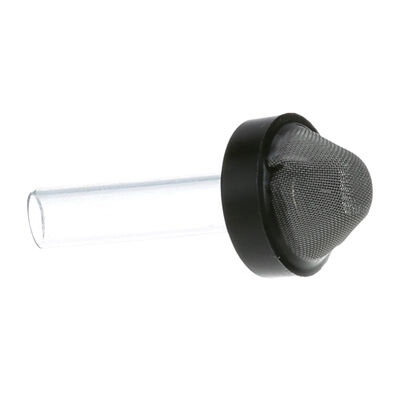
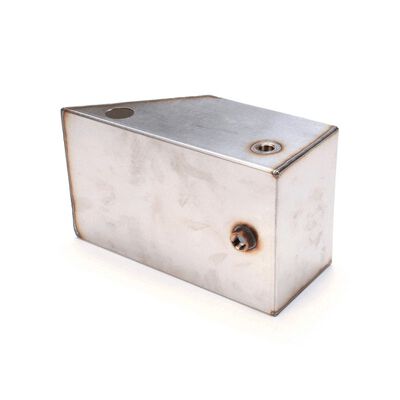
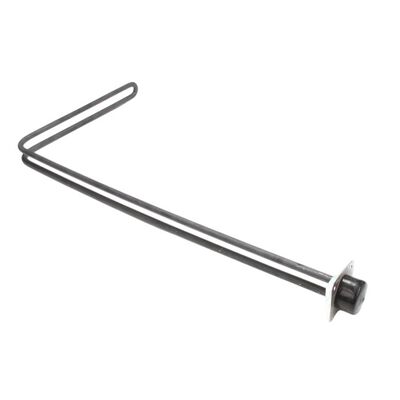
Looking for commercial kitchen equipment parts? Shop Moffat replacement parts at PartsFe, including wet element kits, thermal switches, control panels, and circuit breakers to maintain consistent water heating and equipment performance.
9 Most Frequent Moffat Hot Water Tank Problems and Quick Fixes
The table below highlights the most common issues found in Moffat hot water tanks along with their typical causes and quick repair solutions.
|
Problem |
Common Cause |
Quick Fix |
|
No Hot Water (Electric Model) |
Tripped breaker, faulty thermostat, failed heating element |
Reset the breaker, reset the high-limit switch, or replace the faulty thermostat or heating element. |
|
No Hot Water (Gas Model) |
Pilot light out, faulty thermocouple, gas supply issue, defective gas valve |
Relight the pilot, check the gas supply, and replace the thermocouple or gas valve if needed. |
|
Weak or Insufficient Hot Water |
Sediment buildup, damaged heating element, burner issue, low thermostat setting |
Flush the tank, increase the thermostat setting, or replace the faulty element or burner. |
|
Water Too Hot or Overheating |
Faulty thermostat, failed heating control, excessive system pressure |
Replace the thermostat, lower the temperature setting, and inspect the expansion tank or mixing valve. |
|
Temperature & Pressure Relief Valve Leaking |
Excess pressure, overheating, worn-out T&P valve |
Test the valve, reduce system pressure, or replace the T&P relief valve. |
|
Water Leaks Around the Tank |
Loose fittings, faulty drain valve, internal tank corrosion |
Tighten plumbing connections, replace leaking valves, or replace the tank if it has corroded. |
|
Popping or Rumbling Noises |
Sediment and mineral buildup inside the tank |
Flush the tank thoroughly and inspect heating elements for scale damage. |
|
Gas Burner or Venting Problems |
Dirty burner, blocked vent, poor combustion airflow |
Clean the burner, clear vent obstructions, and ensure proper ventilation. |
|
Electrical Faults or Breaker Trips |
Shorted heating element, damaged wiring, loose electrical connections |
Replace the faulty heating element, repair damaged wiring, and tighten electrical connections. |
How to Troubleshoot Moffat Hot Water Tanks Step-by-Step
The steps below provide a practical, systematic approach to identify and resolve common operational issues before replacing parts or calling for service.
Step 1: Check the Power Supply
Ensure the unit is switched on and receiving power. Verify the circuit breaker hasn't tripped and confirm the power cord is securely connected. If the control panel or indicator lights remain off, the issue may be electrical.
Step 2: Verify the Water Supply
Confirm the water inlet valve is fully open and that the unit is receiving adequate water pressure. Inspect the inlet filter for dirt or debris that could restrict water flow.
Step 3: Inspect the Temperature Settings
Check that the thermostat or digital controller is set to the correct operating temperature. Incorrect settings can result in water that is cooler than required for commercial kitchen use.
Step 4: Look for Water Leaks
Inspect the tank, fittings, valves, and pipe connections for any signs of leakage. Tighten loose fittings where appropriate and replace damaged seals or components if necessary.
Step 5: Check for Mineral Build-Up
Hard water can cause limescale to accumulate on heating elements and inside the tank. If mineral deposits are present, descale the unit following the manufacturer's recommended cleaning procedure.
Step 6: Inspect the Heating Elements
If the tank has power but isn't heating properly, examine the heating elements for damage or wear. Faulty elements should be replaced by qualified service personnel.
Step 7: Test the Thermostat and Safety Reset
Inspect the thermostat and reset the high-limit safety switch if it has tripped. If the safety device continues to trip, discontinue use until the underlying issue is resolved.
Step 8: Examine Valves and Internal Components
Check the pressure relief valve, inlet valve, and outlet connections for proper operation. Replace any worn or malfunctioning components to restore normal performance.
Step 9: Test the Unit
Run the hot water tank through a complete heating cycle. Confirm it reaches the desired temperature, maintains consistent hot water output, and operates without leaks, unusual noises, or fault indicators.
|
Tip: If these steps do not resolve the problem or the unit has recurring electrical or internal faults, contact a qualified commercial kitchen equipment technician for diagnosis and repair. |
Preventive Maintenance Tips to Avoid Hot Water Tank Failures
Below are the key preventive maintenance practices to help improve efficiency and extend the lifespan of your Moffat hot water tank.
-
Flush the Tank Annually: Drain and flush the tank once a year to remove sediment. In hard water regions of Canada, flush more frequently. Inspect the anode rod and replace it if worn.
-
Test the T&P Relief Valve: Operate the temperature and pressure relief valve yearly to ensure it works properly. Replace it if it leaks or fails to close completely.
-
Check the Thermostat: Keep the water temperature between 120°F and 125°F (49–52°C). Replace faulty thermostats or controls if temperatures become inconsistent.
-
Inspect Gas Venting: For gas models, ensure vents and air intakes are free of debris, snow, or ice to maintain safe operation.
-
Monitor Water Pressure: Check inlet pressure and inspect the expansion tank to prevent excessive pressure inside the system.
-
Inspect Electrical Components: On electric models, tighten loose wiring, inspect breakers, and confirm the unit is properly grounded.
-
Prepare for Winter: If the heater will be unused during freezing weather, drain the tank completely and protect exposed pipes from freezing.
Following these simple maintenance practices can help prevent unexpected failures, improve energy efficiency, and keep your Moffat hot water tank operating efficiently for years.
Summary: Keep Your Moffat Hot Water Tank Running Efficiently
A Moffat hot water tank ensures a steady hot water supply for commercial kitchen operations like cleaning and sanitation. Most issues come from heating, thermostat, sediment, or pressure faults that can be identified early. Proper troubleshooting and regular maintenance help keep the system efficient and prevent breakdowns.
Key Takeaways
-
Most Moffat hot water tank issues are caused by heating elements, thermostats, or sediment buildup.
-
Early detection of symptoms helps reduce repair costs and prevents major system failures.
-
A structured troubleshooting process can resolve many common operational issues quickly.
-
Regular flushing and descaling improve heating efficiency and water quality.
-
Proper temperature and pressure control ensures safe and stable operation.
-
Preventive maintenance significantly extends the lifespan of the hot water tank.
FAQs
How long does a Moffat hot water tank typically last in a commercial kitchen?
On average, a Moffat hot water tank lasts 8–12 years depending on usage intensity, water quality, and how consistently preventive maintenance like flushing and descaling is performed.
Why does my Moffat hot water tank keep tripping the breaker?
Frequent breaker trips are usually caused by a shorted heating element, damaged wiring, or electrical overload. It’s important to inspect the element and wiring or have a technician test the circuit safely.
What water temperature should a commercial hot water tank be set to?
For most commercial kitchens, the ideal setting is between 120°F and 125°F (49–52°C). This range ensures effective sanitation while reducing the risk of overheating or scalding.
Can hard water damage a Moffat hot water tank?
Yes, hard water leads to mineral buildup inside the tank and on heating elements, reducing efficiency and causing noise, overheating, and premature component failure if not regularly flushed.
|
Disclaimer: This content is for informational purposes only. Always follow manufacturer instructions and consult a qualified technician for repairs involving gas, electrical, or pressurized components. |