.png)
How to Clean Commercial Refrigerator Condenser Coils: Step-by-Step Guide
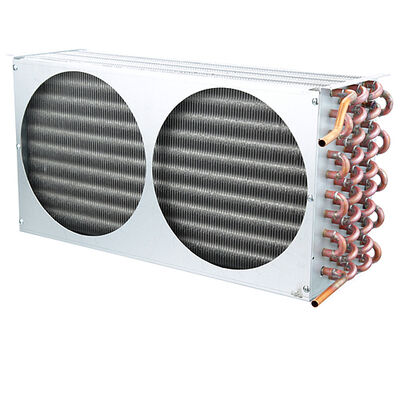
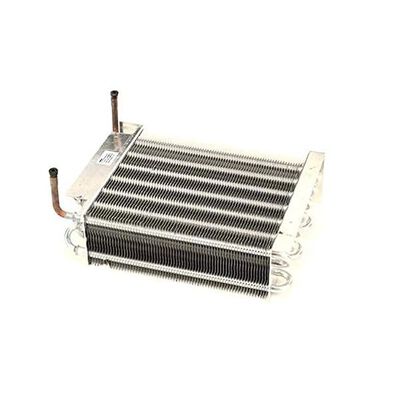
A commercial refrigerator condenser coil is the set of finned tubes that releases heat removed from the cabinet, keeping it clean lets the system cool efficiently. When dust, grease, and debris build up on the coils, the refrigerator may take longer to cool, consume more electricity, and struggle to maintain consistent temperatures. Regular commercial refrigerator condenser coil cleaning helps maintain cooling efficiency and reduces unnecessary strain on the compressor.
Cleaning the refrigerator condenser coils involves switching off the power, locating the coils, removing loose dirt with a soft brush or vacuum, and checking for any remaining debris. This step-by-step guide explains how to clean condenser coils safely, how often to perform maintenance, and which warning signs indicate that the refrigerator may need professional servicing.
Table of Contents
Why Clean Commercial Refrigerator Condenser Coils?
Cleaning commercial refrigerator condenser coils helps the system release heat efficiently, maintain proper cabinet temperatures, and reduce unnecessary strain on the compressor. Regular cleaning is especially important in busy commercial kitchens where grease, dust, and flour can quickly accumulate. Key benefits of keeping condenser coils clean include:
- Improves Heat Transfer: Helps the condenser release heat efficiently and maintain proper refrigeration performance.
- Reduces Compressor Strain: Prevents restricted heat transfer from forcing the compressor to run longer or harder.
- Supports Energy Efficiency: Helps reduce unnecessary energy consumption caused by prolonged compressor operation.
- Maintains Cooling Performance: Supports consistent cabinet temperatures and faster temperature recovery after door openings.
- Supports Food Safety: Health Canada recommends keeping refrigerated food at 4°C (40°F) or below, and clean coils help the refrigerator hold that temperature.
For busy commercial kitchens, restaurants, and grocery stores, clean condenser coils every 30 days under normal conditions, and inspect them every 2 weeks in greasy, dusty, or high-volume kitchens. Kitchens with heavy grease, flour, or airborne dust may require more frequent cleaning. Always follow the manufacturer's maintenance schedule for the specific refrigerator model.
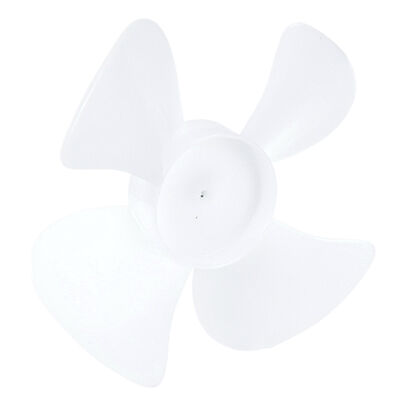
Keep your commercial kitchen running efficiently with quality equipment components from PartsFe. Explore a wide selection of commercial kitchen equipment parts, including condenser coils, condenser fan motors, evaporator fans, door gaskets, and thermostats to support reliable refrigeration and long-term performance.
How to Tell If Your Commercial Refrigerator Condenser Coil Needs Cleaning
A commercial refrigerator condenser coil may need cleaning when dirt, grease, or debris restricts airflow and affects cooling performance. Regular inspection helps identify buildup early. Common refrigerator condenser coil clogged symptoms include:
- Visible Dust and Grease Buildup: A thick layer of dirt, flour, or grease on the coil fins indicates restricted airflow.
- Longer Compressor Runtime: The compressor runs more frequently or for longer periods while trying to maintain the set temperature.
- Higher Cabinet Temperature: The refrigerator struggles to maintain the required temperature, especially during busy operating periods.
- Excessive Heat Around the Condenser: Unusually hot air or excessive heat around the condenser area can indicate poor heat dissipation.
- Frequent Temperature Fluctuations: Slow temperature recovery after door openings may indicate reduced condenser performance.
- Unusual Refrigeration Noise: Increased fan or compressor noise can occur when the system is working harder than normal.
If these signs appear, inspect the condenser coil and follow the equipment manufacturer's cleaning instructions before assuming that the coil is the only cause.
How to Clean Commercial Refrigerator Condenser Coils Step by Step
To clean commercial refrigerator condenser coils, disconnect power, remove the grille, brush or vacuum the fins, degrease with an approved coil cleaner, clean the fan, then restore power and check temperatures. Follow these steps to clean the coils safely and maintain proper refrigeration performance:
Step 1: Disconnect Power and Prepare the Area
Turn off and unplug the refrigerator, or follow the manufacturer’s approved power-isolation procedure. Allow hot components to cool before starting the cleaning process.
Step 2: Locate and Access the Condenser Coil
Find the condenser coil. On bottom-mount reach-ins, it usually sits behind the lower front grille; on top-mount units, it is on top of the cabinet; on undercounter units, it is usually behind the front or side louvers. This applies to most True, Turbo Air, and Kelvinator reach-ins. Remove the access grille or panel as instructed by the manufacturer.
Step 3: Remove Loose Dust and Debris
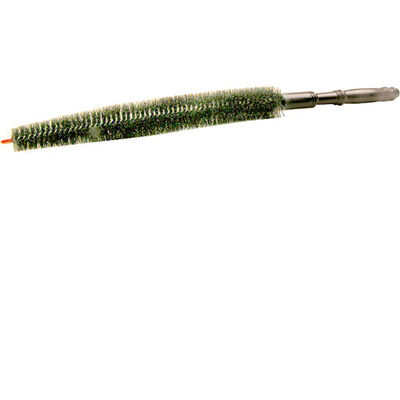
Use a soft refrigerator condenser coil cleaning brush or suitable vacuum attachment to remove dust, flour, lint, and loose debris. Brush carefully along the fins to avoid bending or damaging them.
Step 4: Remove Grease and Stubborn Buildup
If grease or hardened residue is present, use a manufacturer-approved commercial refrigerator condenser coil cleaner according to its instructions. Avoid forcing debris deeper into the coil.
Step 5: Clean the Fan and Surrounding Area
Remove dust and debris from the condenser fan, fan guard, and nearby air passages. Clear the area around the condenser so air can move freely.
Step 6: Inspect the Coil and Fins
Check for bent fins, corrosion, damaged tubing, or remaining buildup. If appropriate, carefully straighten bent fins with a fin comb to improve airflow.
Step 7: Reinstall the Panel and Restore Power
Make sure the coil and surrounding components are clean and dry. Reinstall the access panel or grille securely, then restore power to the refrigerator.
Step 8: Check Refrigerator Operation
Allow the unit to operate and verify that the condenser fan is running and the refrigerator returns to its normal operating temperature. If cooling problems continue, additional diagnosis may be necessary.
Common Mistakes to Avoid When Cleaning Condenser Coils
Cleaning commercial refrigerator condenser coils incorrectly can damage the fins, affect airflow, or create electrical hazards. Avoid these common mistakes to keep the refrigeration system clean and operating efficiently.
Cleaning Without Disconnecting Power
The condenser fan and other electrical components may start unexpectedly while you are working around the coil, creating a safety hazard.
Solution: Turn off and unplug the refrigerator before cleaning. If the unit is hardwired, follow the manufacturer’s approved power-isolation procedure. Do not restore power until the coil and surrounding area are clean, dry, and properly reassembled.
Using High-Pressure Air or Water
High-pressure air can push dust and grease deeper between the coil fins, while water can reach electrical components and create a safety or equipment-damage risk.
Solution: Start with a soft condenser-coil brush or a vacuum with a suitable attachment. If wet cleaning is permitted by the manufacturer, use the recommended cleaning method and protect electrical components from moisture.
Bending the Condenser Fins
Condenser fins are thin and can bend easily when scrubbed aggressively or cleaned with unsuitable tools. Flattened fins reduce the open area available for airflow and can limit heat transfer.
Solution: Use a soft brush and work carefully in the direction of the fins. If fins are already bent, use an appropriately sized fin comb to straighten them gently without damaging the tubing.
Applying the Wrong Cleaning Chemicals
Strong or incompatible chemicals can corrode coil surfaces, damage protective coatings, or affect nearby components.
Solution: Check the refrigerator manufacturer’s maintenance instructions before using a chemical cleaner. Choose a coil cleaner that is specifically suitable for the condenser material and follow the product’s dilution, application, and rinsing instructions.
Cleaning Only the Visible Surface
Cleaning the front of the coil may leave grease and debris trapped between the fins or around the condenser fan. Remaining buildup can continue to restrict airflow even after the coil looks cleaner.
Solution: Clean the full accessible coil surface from the appropriate direction, then remove debris from the condenser fan, fan guard, grille, and surrounding air passages. Make sure airflow openings are not blocked after cleaning.
Reassembling the Refrigerator Incorrectly
A missing or poorly fitted grille, panel, or fan guard can interfere with designed airflow or leave internal components exposed.
Solution: Check that all panels, grilles, guards, and fasteners are correctly positioned before restarting the refrigerator. Do not operate the equipment with a required protective panel removed.
Assuming Cleaning Will Fix Every Cooling Problem
A dirty condenser is only one possible cause of poor refrigeration performance. Continued high temperatures, long compressor runtimes, or inadequate cooling may indicate a fan, refrigerant, control, airflow, or other mechanical problem.
Solution: After cleaning, monitor the refrigerator’s temperature and operation. If it still fails to maintain the required temperature or shows abnormal operation, stop troubleshooting beyond routine maintenance and contact a qualified refrigeration technician for diagnosis.
Watch: Understanding Commercial Refrigeration and How It Works
How to Maintain Commercial Refrigerator Condenser Coils
Regular condenser-coil maintenance supports efficient heat transfer, stable temperatures, and proper airflow. Follow the manufacturer’s cleaning schedule and adjust it based on kitchen conditions. Use these practices to keep condenser coils operating efficiently:
- Inspect Coils Regularly: Check the condenser for dust, grease, flour, lint, and other buildup during routine equipment inspections.
- Set a Cleaning Schedule: Clean coils according to the manufacturer’s recommended interval and increase inspection frequency in kitchens with heavy grease or airborne debris.
- Keep Airflow Clear: Maintain adequate space around the condenser and keep grilles, vents, and surrounding areas free from stored items or debris.
- Monitor Refrigerator Performance: Watch for longer compressor runtimes, temperature fluctuations, excessive heat, or unusual fan and compressor noise that may indicate restricted airflow.
- Clean the Surrounding Area: Remove dust and grease from the condenser fan, fan guard, grille, and nearby surfaces so debris does not quickly return to the coil.
- Inspect Coil Fins: Look for bent, crushed, or corroded fins that could restrict airflow. Minor fin damage can be addressed with an appropriate fin comb when permitted by the manufacturer.
- Follow Manufacturer Instructions: Use the recommended cleaning tools, chemicals, and service intervals for the specific refrigerator model.
- Record Maintenance: Keep a simple cleaning and inspection log to track service dates, recurring buildup, and any cooling issues.
- Keep a Cleaning Kit Ready: A refrigerator condenser coil cleaning kit with a coil brush, fin comb, vacuum attachment, and approved cleaner makes routine cleaning faster.
Check out how to replace True refrigerator door gasket and fix cooling issues.
Summary: Keep Commercial Refrigerator Coils Clean for Reliable Cooling
Regular condenser-coil cleaning helps commercial refrigerators maintain proper airflow, efficient heat transfer, and consistent cooling performance. Routine inspections and manufacturer-recommended maintenance can help identify buildup or equipment problems before they affect food storage and refrigeration operation.
Key Takeaways
- Clean coils regularly to remove dust, grease, flour, and debris before heavy buildup restricts airflow.
- Watch for longer compressor runtimes, temperature fluctuations, excessive heat, and unusual noises that may indicate restricted airflow.
- Use suitable brushes, vacuums, and manufacturer-approved cleaning products to avoid damaging coil fins and components.
- Disconnect power before cleaning and protect electrical components from water or cleaning solutions.
- Keep condenser grilles, fans, vents, and surrounding areas clear to maintain proper airflow.
- Follow the manufacturer’s recommended cleaning frequency, tools, procedures, and service requirements for the specific refrigerator model.
Need replacement refrigeration parts? Shop commercial kitchen equipment parts at PartsFe for condenser coils, condenser fans, and other components to keep your refrigerator cooling reliably.
FAQs
How often should commercial refrigerator condenser coils be cleaned?
Clean commercial refrigerator condenser coils every 30 days under normal conditions. In greasy, dusty, or high-volume kitchens, inspect them every 2 weeks and clean whenever buildup appears.
Can I use water to clean commercial refrigerator condenser coils?
Usually no. Use water only if the manufacturer allows wet cleaning. For routine cleaning, use a soft coil brush or vacuum to remove dirt while protecting electrical components from moisture.
What happens if commercial refrigerator condenser coils are dirty?
Dirty condenser coils restrict airflow, reduce heat transfer, increase compressor runtime, and can cause poor cooling, higher energy use, and temperature fluctuations.
How do I clean greasy condenser coils on a commercial refrigerator?
Disconnect power, remove loose debris with a soft brush or vacuum, and use a manufacturer-approved coil cleaner for stubborn grease. Keep electrical components protected and follow the cleaner’s instructions.
How can I tell if a commercial refrigerator condenser coil needs to be replaced?
Replace the coil if it has severe corrosion, damaged tubing, refrigerant leaks, or extensive physical damage. Have a qualified refrigeration technician confirm whether cleaning or replacement is appropriate.
How much does refrigerator condenser coil cleaning cost?
DIY refrigerator condenser coil cleaning costs only a coil brush or cleaning kit. Professional cleaning typically costs more, depending on your location and how easy the coil is to access.
References:
https://www.canada.ca/en/health-canada/services/general-food-safety-tips/food-safety-you.html
Disclaimer: This content is for informational purposes only. Follow the manufacturer’s instructions and safety requirements, and consult a qualified technician for electrical, refrigerant, or mechanical repairs.