How to Fix a True Refrigerator Door Seal: Step-by-Step Repair Guide
True refrigerators are designed for consistent cooling, energy efficiency, and long-term durability in commercial environments. However, with regular use, door seal issues can develop gradually, leading to noticeable performance problems rather than sudden failure.
The most common signs include the refrigerator door not sealing properly, cold air leaking from the door, condensation buildup, and the compressor running continuously. These issues are often caused by cracked or hardened gaskets, dirt buildup on the seal, or door misalignment, all of which reduce the unit’s ability to maintain stable internal temperatures.
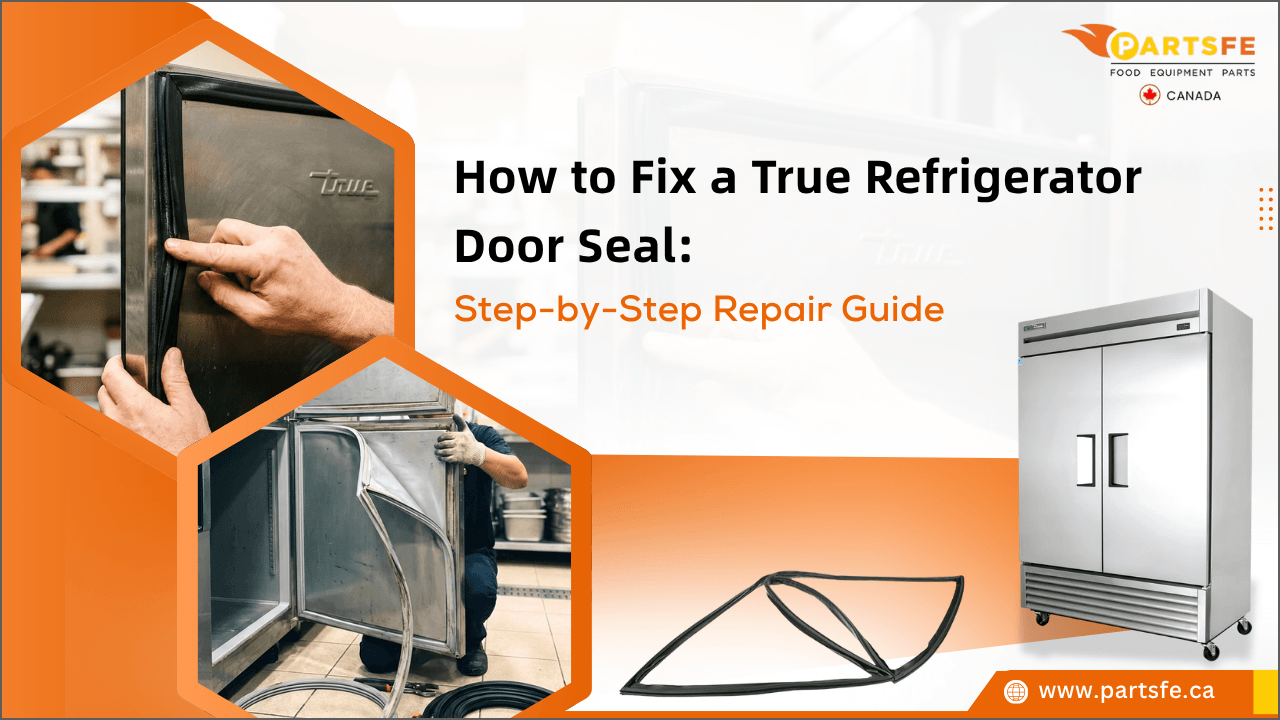
This blog explains the common causes of True refrigerator door seal problems, how to diagnose them, and step-by-step methods to repair or replace the seal for long-term efficiency.
Why a Properly Sealed Refrigerator Door Is Critical for Performance
A properly sealed refrigerator door is essential for maintaining consistent cooling performance, reducing energy consumption, and protecting stored food from spoilage. Even minor seal issues can significantly impact efficiency and overall equipment lifespan. Below are the key reasons why maintaining a tight refrigerator door seal is necessary.
-
A tight door seal prevents cold air loss and keeps warm air from entering, ensuring stable internal temperatures.
-
Proper sealing reduces compressor workload, improving energy efficiency and lowering electricity costs.
-
Energy standards like CSA C657 highlight performance losses when refrigeration units operate with air leakage.
-
A damaged seal can increase energy use by roughly 15% to 25% due to constant compressor cycling.
-
Poor sealing can lead to condensation, frost buildup, and potential bacterial growth inside the unit.
-
Temperature fluctuations caused by leaks may result in premature food spoilage and reduced shelf life.
-
Routine maintenance and timely seal replacement are recommended for safe food storage and efficient operation.
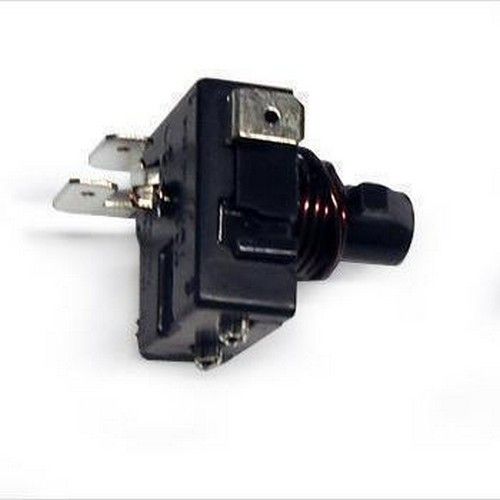
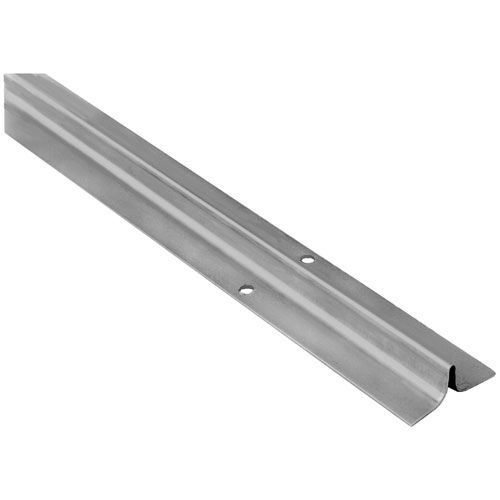
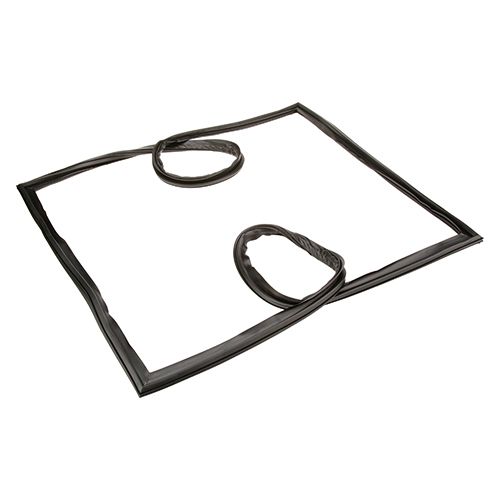
Looking for True refrigeration door seal parts to keep your unit operating efficiently? PartsFe offers high-quality commercial kitchen equipment parts, including compressor relays, evaporator coils, regulator valves, and door seals, designed for long-lasting durability.
Common Causes of True Refrigerator Door Seal Problems
A True refrigerator door seal may fail or leak for several reasons. Common causes include:
-
Mold Growth on the Seal: Moisture and trapped food residue can cause mold buildup on the gasket, preventing proper contact, weakening the rubber, and reducing sealing efficiency.
-
Normal Wear and Aging: Door seals are considered consumable components. Over time, the rubber material can harden, flatten, or develop cracks, reducing its ability to create a firm seal against the cabinet frame.
-
Visible Gaps in the Gasket: Warped rubber, loose-fitting edges, dirt buildup, or door misalignment can create gaps in the refrigerator door gasket, allowing cold air to escape and reducing sealing efficiency.
-
Dirt and Residue Buildup: Grease, food particles, or mold on the seal surface can prevent proper contact with the door. Even small amounts of debris can disrupt the airtight seal and cause air leakage.
-
Improper Leveling: If the refrigerator is not level, the door may not close evenly, creating gaps along one side. Loose hinges or worn rollers can also gradually shift door alignment and weaken the seal.
-
Mismatched Parts: Using the wrong seal model or improper fitting during installation can result in folds, gaps, or uneven compression around the door frame, so always using genuine True Refrigeration Canada parts helps ensure proper fit and reliable sealing performance.
-
Environmental Exposure: High humidity can encourage mold growth and material swelling. At the same time, excessive heat or dry conditions can cause the rubber to shrink or lose flexibility, both of which reduce sealing efficiency.
How to Repair or Replace a True Refrigerator Door Seal
Before starting any repair, always disconnect the power supply for safety. A proper inspection using the paper test helps identify leakage points and confirm whether the seal is failing due to damage, dirt, or misalignment.
The table below highlights common symptoms, likely causes, and quick repair or replacement actions:
|
Symptom |
Repair |
Replacement |
|
Warm interior or compressor running continuously |
Clean the seal, inspect door alignment, tighten hinges, and reseat the gasket properly |
Replace the seal if it is cracked, hardened, or permanently warped |
|
Condensation or frost around door edges |
Clean and dry the gasket area, ensure the door closes fully, and adjust alignment |
Replace if the rubber is torn, brittle, or no longer flexible |
|
Door not closing properly or feels uneven |
Level the unit, tighten hinge screws, and realign the door frame |
Replace if the gasket has lost its original shape or compression strength |
|
Visible gaps or light leaking through edges |
Refit the gasket into the channel and correct the corner placement |
Replace with the correct OEM gasket if damaged or incorrectly sized |
|
Higher electricity bills or long compressor cycles |
Inspect gasket contact points, remove debris, and verify proper sealing pressure |
Replace if leakage continues after cleaning and adjustments |
Check out how to replace True refrigerator door gasket and fix cooling issues, by following simple steps to restore a proper seal and improve cooling
Pro Tips to Maintain Your Refrigerator Door Seal for Long-Term Efficiency
Regular maintenance of the door seal is essential to preserve airtight sealing, maintain consistent cooling, and avoid unnecessary strain on the refrigeration system. Below are the pro tips to keep your refrigerator door seal in optimal condition:
-
Clean the Seal: Wipe the seal at least once a month using warm water and mild dish soap to remove grease, food particles, and grime that can weaken the seal and cause air leakage.
-
Avoid Damaging Cleaners: Stay away from bleach, strong chemicals, and abrasive pads, as these can dry out the rubber, cause cracking, and reduce flexibility over time.
-
Check the Seal Condition: Inspect every 2 to 3 months for signs of wear such as cracks, flattening, or gaps. A simple paper test can quickly reveal weak sealing points around the door.
-
Ensure Proper Leveling: Keep the refrigerator perfectly level so the door aligns correctly with the frame, preventing uneven pressure on the seal and improving consistent contact.
-
Avoid Overload: Close the door carefully without slamming and avoid overloading door shelves, as excess weight or force can gradually distort alignment and reduce sealing performance.
Summary: Restore Efficiency with a Perfectly Sealed Refrigerator Door
A properly functioning refrigerator door seal plays a critical role in maintaining stable temperatures, reducing energy consumption, and preventing food spoilage. Regular inspection, timely cleaning, and prompt seal replacement help ensure long-term efficiency and reliable cooling performance.
Key Takeaways
-
A tight door seal maintains consistent internal temperatures by preventing air leakage.
-
Poor sealing can increase energy consumption by up to 15% to 25% due to extra compressor load.
-
Common issues include wear, dirt buildup, misalignment, and physical damage.
-
Routine cleaning and inspection help detect early signs of seal failure.
-
Proper installation and correct leveling improve sealing effectiveness.
-
Timely seal replacement helps extend appliance life and protect food quality.
FAQs
How do I know if my refrigerator door seal needs replacing?
Commercial refrigerator door seal replacement is usually needed if the door leaks cold air, has visible cracks, or fails the paper test. Warm temperatures, frost buildup, and constant compressor cycling are also common signs.
How to repair refrigerator door seal?
True refrigerator door seal repair includes cleaning the gasket, correcting door alignment, and reseating loose edges. If the seal is cracked, hard, or leaking air, replace it with the correct True gasket.
Can I fix a refrigerator seal without replacing it?
Yes, if the issue is minor. Cleaning dirt, removing residue, or fixing door alignment can restore the seal. If the rubber is cracked or hardened, replacement is necessary.
How long does a True refrigerator door seal last?
On average, a True door seal lasts about 5 to 10 years, depending on usage, maintenance, and operating conditions.
Why is my True refrigerator door not sealing even after replacing the seal?
True refrigerator door seal replacement may still fail to seal properly if the gasket was installed incorrectly, the wrong model was used, or the door is misaligned, loose, or the unit is not level.
|
Disclaimer: This blog is for general informational purposes only. Repair results may vary based on refrigerator model, condition, installation, and maintenance history. |