How to Clean Fryer Oil Like a Pro with Filtration Systems
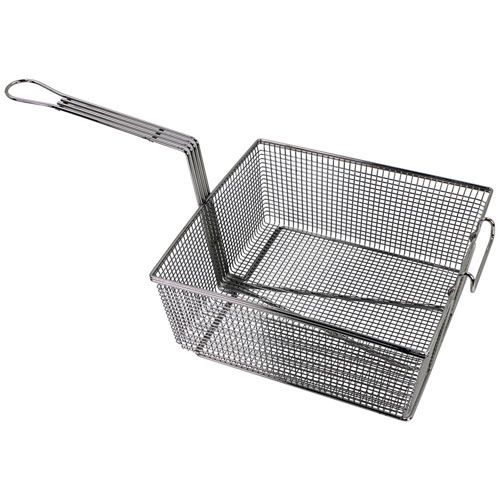
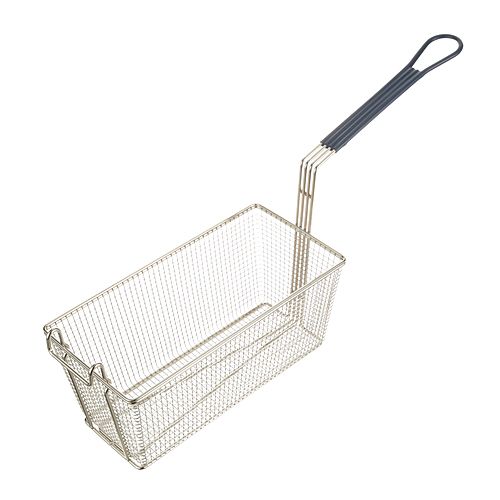
Maintaining crisp, golden results starts with effective fryer oil cleaning management in any high-volume commercial kitchen. Simple surface skimming isn’t enough to maintain food quality or control operating costs. To maximize efficiency, it’s essential to know how to clean fryer oil like a pro using advanced fryer oil filtration system solutions while also maintaining essential fryer parts for optimal performance. These systems do more than remove debris, they help preserve flavour, maintain consistency, and significantly extend oil life.
In this article, you’ll learn how fryer oil filtration works, step-by-step cleaning process, and how to avoid common mistakes while filtering fryer oil to ensure optimal kitchen performance.
Why Proper Fryer Oil Cleaning Matters in Commercial Kitchens
Regular fryer oil filtration is a critical maintenance practice that directly impacts both profitability and brand reputation in a commercial kitchen. When oil isn’t properly cleaned, food particles, carbon deposits, and moisture accelerate degradation through oxidation and hydrolysis, leading to faster oil breakdown and inconsistent frying performance. Using a deep fryer oil filter setup helps maintain oil quality efficiently. The benefits of maintaining a consistent fryer oil cleaning routine include:
-
Significant Cost Savings: Routine filtration can extend oil life by 200% to 400%, reducing frequent oil replacement and saving thousands annually in high-volume operations.
-
Impeccable Food Quality: Clean oil delivers consistent color, crisp texture, and balanced flavor, while degraded oil produces greasy, dark, and bitter food that harms customer satisfaction.
-
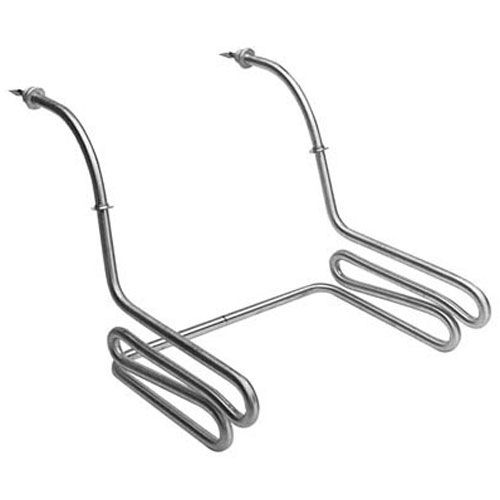
Enhanced Equipment Longevity: Removing sediment buildup prevents strain on heating elements, reducing wear and extending fryer lifespan by up to 15–20 years.
-
Improved Kitchen Safety: Contaminated oil has a lower smoke point and a higher risk of foaming or ignition; nearly 40% of kitchen fires are linked to poorly maintained fryer systems.
-
Health and Regulatory Compliance: Proper filtration minimizes harmful compounds like acrylamides and polar materials, helping ensure compliance with food safety standards and health inspections.
Looking for reliable commercial kitchen & restaurant equipment parts in Canada? Shop now at PartsFe CA for high-quality OEM and compatible replacement parts for fryers, ovens, refrigeration units, and more. We offer durable, performance-tested parts, including compressors, control boards, fan motors, expansion valves, coils, and relays to keep your system running efficiently. Count on competitive pricing, dependable inventory, and fast shipping across Canada to reduce downtime and maintain peak equipment performance.
Understanding Fryer Oil Filtration Systems and How They Work
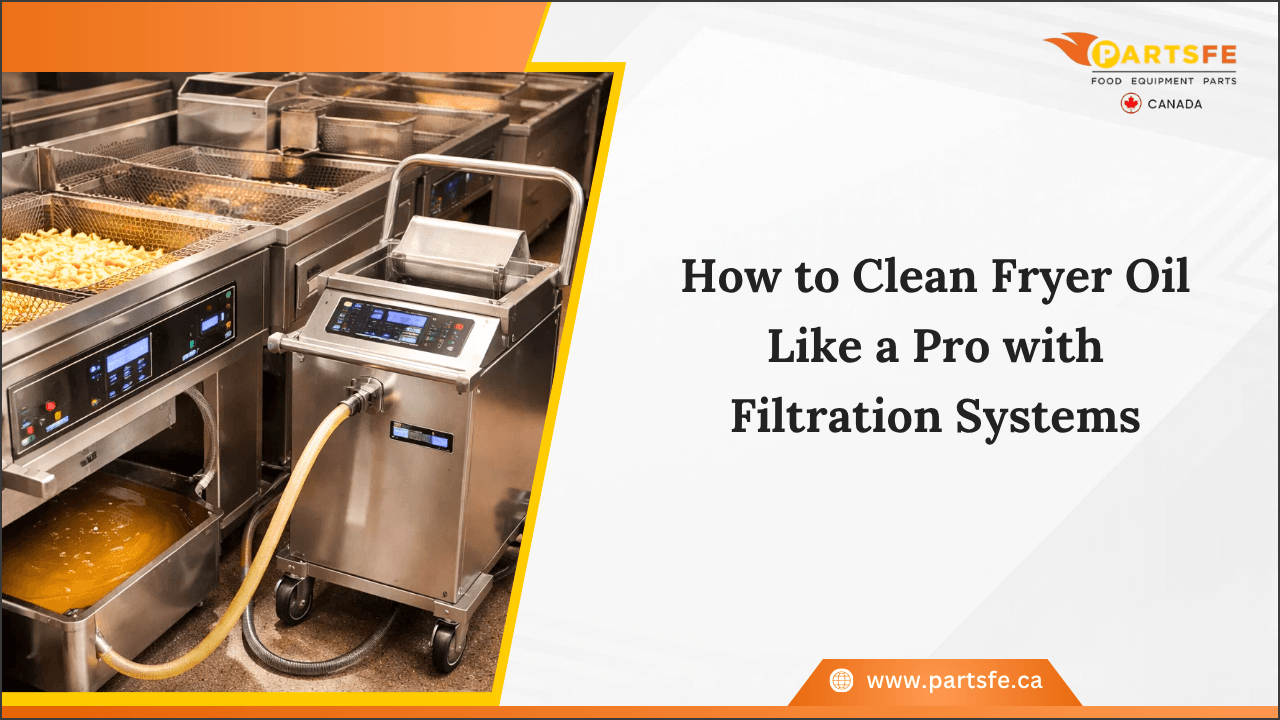
A fryer oil filtration system is a specialized setup designed to remove contaminants such as food particles, carbon buildup, and free fatty acids from used cooking oil. By continuously circulating oil through multiple filtration stages, these systems restore clarity, improve frying performance, and can extend oil life by up to 50%, making them essential in high-volume commercial kitchens.
Types of Filtration Systems
-
Built-in Systems: Integrated into premium fryers, including models with a built-in deep fryer with oil filter, these allow quick, push-button filtration—often without interrupting kitchen operations.
-
Mobile/Portable Units: Standalone systems that can service multiple fryers, offering flexibility and efficiency across larger kitchens.
-
Manual Filtration: A cost-effective method using gravity, filter bags, and frames to strain oil, suitable for smaller operations or backup use.
Core Components and Their Roles: Effective filtration systems rely on a multi-stage process to thoroughly clean and “polish” fryer oil:
-
Pre-Filtration: Metal crumb trays or mesh screens capture large debris, preventing clogging in later stages.
-
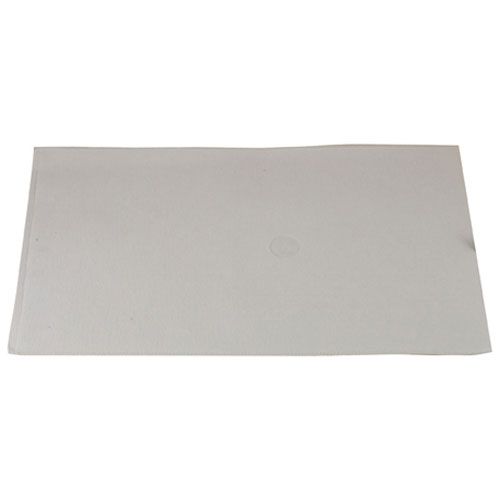
Micro-Filtration: Filter paper or pads trap fine particles, often as small as 5 microns, ensuring cleaner oil.
-
Chemical Polishing: Filter powders (such as magnesium silicate) absorb dissolved impurities like free fatty acids and odor-causing compounds.
-
Pump & Return System: A high-temperature pump circulates filtered oil back into the fryer through a heat-resistant hose, ensuring seamless reuse.
By combining mechanical and chemical filtration, these systems not only clean oil but also maintain consistent food quality, reduce waste, and improve overall kitchen efficiency.
How to Clean Fryer Oil with Filtration Systems Step-by-Step
To clean fryer oil like a pro, precision and safety must go hand in hand. Always filter oil while it’s warm (250°F–300°F) to ensure smooth flow through the filtration system and effective removal of impurities.
Step 1: Preparation and Safety: Begin by wearing proper PPE such as heat-resistant gloves, a face shield, and an apron. Check that the filtration system is clean, dry, and correctly assembled with fresh filter paper, then add fryer oil cleaning powder to improve filtration efficiency.
Step 2: Drain the Oil: Carefully open the drain valve to allow oil to flow into the filter pan. If debris blocks the flow, use a drain rod to safely clear the obstruction without splashing hot oil.
Step 3: Flush the Fryer Vat: Activate the filter pump and use the hose wand to flush out leftover crumbs and residue from the fryer walls, ensuring a thorough initial cleaning.
Step 4: Scrub Internal Components: While the oil circulates, use a high-temperature fryer brush to scrub heating elements and interior surfaces, removing carbon buildup and stuck particles.
Step 5: Run the Polishing Cycle: Close the drain valve and let the oil circulate for 5–10 minutes. This step allows the filter media and powder to remove fine particles, acids, and odor-causing compounds.
Step 6: Refill the Fryer: Once filtration is complete, pump the clean oil back into the fryer vat, making sure all connections are secure and the drain valve is fully closed.
Step 7: Clear the Lines: Allow the oil to bubble for 15–30 seconds at the end of the process to clear any remaining oil from hoses and ensure the system is ready for the next use.
Following this structured process helps maintain cleaner oil, improves food quality, extends oil life, and ensures a safer kitchen environment.
Watch the video below on how to clean a commercial deep fryer, which covers simple steps and best practices to maintain cleanliness and ensure efficient operation.
Common Mistakes to Avoid When Filtering Fryer Oil
Even with a professional filtration system, small mistakes can reduce oil efficiency, damage equipment, and create safety risks. Avoid these common fryer oil filtering mistakes to maintain optimal kitchen performance:
-
Filtering at Extreme Temperatures: Oil that’s too hot (above 350°F) can damage pump components and cause burns, while oil that’s too cold (below 200°F) becomes too thick, straining the pump and reducing filtration efficiency.
-
Skipping the Polish Cycle: Draining and refilling without a 5–10 minute circulation step prevents the proper removal of fine particles and acids, leading to poor oil quality and off-flavors.
-
Pumping Water or Chemicals: Using the filtration system for water, soap, or cleaning solutions can damage the pump and contaminate future oil batches.
-
Improper Reassembly: Worn O-rings or misaligned filter paper can cause air leaks, poor suction, and allow debris to bypass the filter, potentially clogging the system.
-
Salting Near the Fryer: Adding salt over an open fryer introduces moisture and accelerates oil breakdown, reducing oil lifespan significantly.
-
Overloading the Filter Unit: Draining too much oil into a smaller filter pan can cause dangerous overflows, increasing the risk of burns and spills.
-
Skipping Routine Filtration: Waiting until oil looks degraded is too late, regular daily filtration or cleaning every 4–6 batches is essential to prevent carbon buildup and maintain quality.
Explore the commercial air fryer buying guide: how to select, use, and clean, which highlights key features, selection tips, proper usage, and cleaning practices for optimal performance.
Summary: Extending Oil Life and Improving Food Quality
Mastering fryer oil filtration is essential for improving kitchen efficiency, reducing operational costs, and delivering consistent food quality. A disciplined cleaning routine transforms fryer oil from a high-expense consumable into a long-lasting asset. Regular filtration prevents contamination, preserves flavor, and maintains optimal frying performance. Using the right filtration tools and maintaining proper temperature control ensures both safety and effectiveness. By following best practices, kitchens can significantly extend oil life while consistently producing crisp, high-quality results.
Key Takeaways
-
Filter fryer oil daily or more often during peak hours to prevent carbon buildup and maintain consistent frying performance.
-
Maintain oil temperature between 250°F and 300°F to ensure smooth filtration without damaging the pump or reducing efficiency.
-
Use high-quality filter paper and magnesium silicate powder to effectively remove fine particles and neutralize harmful acids.
-
Always wear proper PPE, including gloves and face protection, to minimize burn risks and ensure safe oil handling.
-
Do not skip the polishing cycle, as continuous circulation is essential for removing microscopic impurities and preserving flavor.
-
Consistent filtration practices can extend oil life by up to 400%, significantly reducing replacement costs and improving food quality.
FAQs
How to purify deep fryer oil?
Purify fryer oil by filtering it while warm using a proper filtration system with filter paper and powder to remove debris, carbon, and acids that degrade oil quality.
Can you filter fryer oil with a coffee filter?
A coffee filter can remove small particles in emergencies, but it’s not suitable for commercial use as it clogs quickly and cannot handle hot oil efficiently.
How many times can you filter deep fryer oil?
You can filter oil daily, but its total lifespan depends on usage; with proper filtration, oil can last several cycles or up to a few days in high-volume kitchens.
How to clean fryer oil without cornstarch?
Use filter paper or cloth with a proper filtration setup, optionally adding magnesium silicate powder to remove impurities without relying on cornstarch.
|
Disclaimer: This guide is for informational purposes only and may not apply to all fryer models or setups. Always follow manufacturer instructions and safety guidelines when performing fryer oil cleaning or maintenance. |